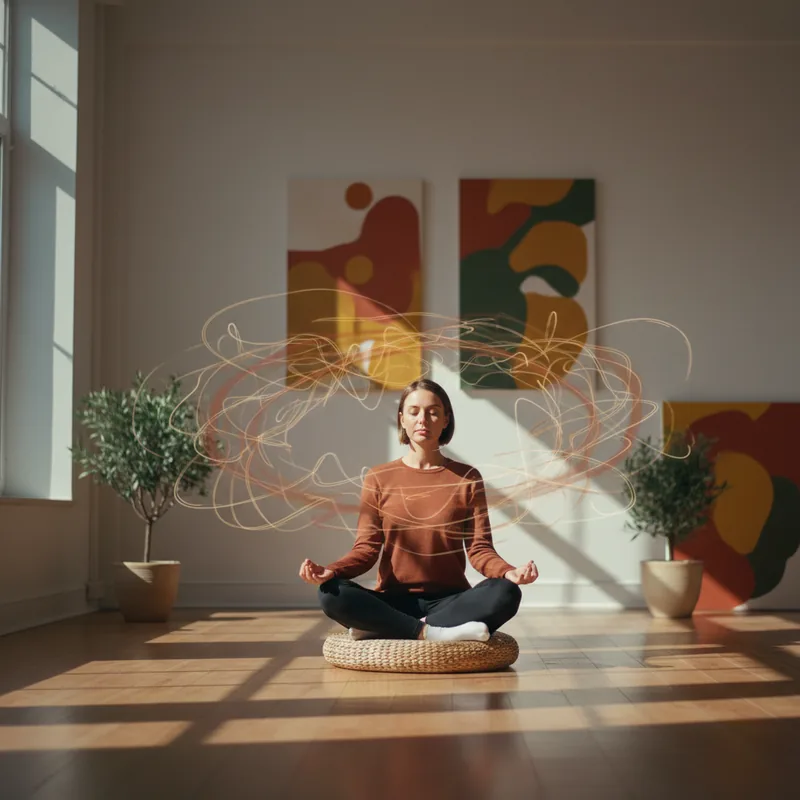
If you've been feeling the weight of the world on your shoulders, constantly battling a racing mind, or finding it hard to shake off that persistent tension, you're not alone. Understanding how is stress affecting your body and mind is the first powerful step toward regaining control. It’s not a sign of weakness; it’s your body’s signal that something needs attention. This guide will illuminate the intricate ways stress impacts your health and equip you with practical, effective strategies to navigate its challenges and cultivate a more resilient you.
What is Stress and Why It Matters
Stress, at its core, is your body's natural response to any demand or change that requires an adjustment. Think of it as an alarm system, designed to mobilize your resources when faced with a challenge. While this system is vital for survival in acute situations, modern life often keeps this alarm system on high alert, leading to a cascade of effects on both your mental and physical well-being.
The crucial point is that stress isn't always a dramatic event. It can be the cumulative effect of daily hassles – a looming work deadline, a disagreement with a loved one, or even just navigating a crowded commute. These seemingly small pressures can take a significant toll over time, often going unnoticed until they manifest as more serious issues.
Recognizing the Signs of Stress
Stress rarely announces itself with a clear label. Instead, it whispers through a variety of subtle, and sometimes not-so-subtle, signals. Learning to tune into these clues is fundamental to understanding how is stress affecting you personally.
These signs often fall into distinct categories, impacting your thoughts, emotions, physical sensations, and behaviors:
- Cognitive Signs: You might find yourself struggling to focus, experiencing persistent worry, feeling a sense of unease or anxiety, or noticing memory lapses. Your mind might feel like a browser with too many tabs open.
- Emotional Signs: Irritability, anger, fearfulness, mood swings, and a general sense of being on edge are common emotional responses. You might feel more sensitive than usual or find yourself snapping more easily.
- Physical Signs: This is where stress often makes its presence most known. Watch for headaches, muscle tension (especially in the neck and shoulders), digestive issues, changes in weight, fatigue, frequent colds or infections, teeth grinding, and even disruptions in your menstrual cycle or sex drive. Your body is literally reacting to the pressure.
- Behavioral Signs: Your actions can also betray underlying stress. This might look like neglecting self-care, withdrawing from activities you once enjoyed, changes in eating habits (either overeating or undereating), increased reliance on substances like alcohol or caffeine, or difficulty sleeping.
It’s important to remember that what stress feels like is deeply personal. For some, it’s a buzzing energy; for others, it’s a crushing exhaustion. Some individuals might feel a profound sense of frustration, while others experience a deep well of worry and the feeling of being utterly burnt out.
Stress vs. Anxiety: What's the Difference?
It’s easy to confuse stress and anxiety, as they share many overlapping symptoms like nervousness, poor sleep, and muscle tension. However, understanding the distinction is key. Stress is typically a response to an external trigger or demand – a specific situation you're facing. Once that situation resolves, the stress usually subsides.
Anxiety, on the other hand, is often your internal reaction to stress. It can persist even after the initial stressor is gone, manifesting as persistent worry, fear, and apprehension. While stress might be temporary, anxiety can become a more chronic condition, often exacerbating the negative impacts of stress on your health.
The Root Causes of Stress
Life is full of potential stressors, and their origins are as varied as the people experiencing them. While major life events like job loss or divorce are obvious culprits, the constant hum of everyday pressures often plays a more significant role in our overall stress levels.
Common sources include:
- Work: Demanding workloads, difficult colleagues, job insecurity, and poor work-life balance are major contributors.
- Finances: Worries about debt, unexpected bills, or general financial instability can create immense pressure.
- Relationships: Conflicts with partners, family members, or friends, as well as the responsibilities of parenting, can be significant stressors.
- Daily Inconveniences: Traffic jams, long queues, unexpected chores, or minor household problems can add up, chipping away at your resilience.
It’s also helpful to recognize that not all stress is negative. Eustress, or positive stress, can be energizing and motivating. Think of the thrill of starting a new project, preparing for a wedding, or even the excitement of a roller-coaster ride. This type of stress can boost performance and keep life interesting. However, even eustress can become problematic if it's constant and not balanced with periods of rest.
The Four Types of Stress
Understanding the different forms stress can take helps in identifying how it affects you:
- Acute Stress: This is short-term stress, often a reaction to a specific, immediate event like a near-miss car accident or a public speaking engagement. It’s intense but usually resolves quickly.
- Episodic Acute Stress: When acute stress happens frequently, becoming a way of life, it’s episodic. Think of someone constantly living through domestic conflict or recurring financial crises.
- Chronic Stress: This is the insidious, long-term stress that feels inescapable, like being trapped in a toxic work environment or dealing with a chronic illness. It wears you down over time.
- Eustress: As mentioned, this is positive stress, associated with excitement and engagement, like training for a marathon or meeting a challenging deadline.
The truly harmful types are acute, episodic acute, and chronic stress. While acute stress is often manageable, chronic stress is particularly damaging because it keeps your body in a prolonged state of high alert.
The Inner Workings of the Stress Response
When your brain perceives a threat – whether real or imagined – it triggers the body's ancient survival mechanism: the fight-or-flight response. This is a complex physiological reaction designed to prepare you for immediate action.
Here’s what happens:
- Your adrenal glands release hormones like adrenaline and cortisol.
- Your heart rate and blood pressure surge.
- Digestion slows down as blood is diverted to your muscles.
- Your senses become sharper, and you experience a burst of energy.
This response is incredibly effective when you truly need to fight or flee. However, in modern life, this same response can be activated by non-life-threatening situations – a stressful email, a looming deadline, or even just worrying about the future. When the perceived threat passes, your body is designed to return to a state of calm via the relaxation response.
The problem arises with chronic stress. If the relaxation response doesn't kick in often enough, your body remains in a near-constant state of fight-or-flight. This prolonged activation is where the real damage begins, impacting virtually every system in your body.
Furthermore, stress often leads to unhealthy coping mechanisms. Many people turn to overeating, smoking, or excessive drinking as a way to numb the discomfort. These habits, while offering temporary relief, create deeper, long-term health problems, compounding the initial effects of stress.
How Stress Affects Your Health: The Impacts
The connection between your mind and body is profound, and stress is a powerful testament to this link. When you’re under prolonged stress, it’s not just your mood that suffers; your physical health takes a significant hit. Understanding how is stress affecting your body is crucial for proactive health management.
High levels of stress can make it harder to cope with everyday challenges, strain your relationships, and contribute to a wide range of physical ailments. When your brain signals danger, your body mobilizes, and this constant mobilization wears it down.
While severe, acute stress can trigger immediate cardiac events like heart attacks in individuals with pre-existing heart conditions, the more pervasive threat comes from chronic stress.
Chronic stress relentlessly taxes your autonomic nervous system, keeping it in overdrive. This persistent activation can lead to or exacerbate a multitude of health conditions:
- Cardiovascular Issues: Increased risk of heart disease, high blood pressure, and arrhythmias.
- Mental Health: Burnout, anxiety disorders, depression, and difficulty managing other mental health conditions.
- Immune System Suppression: Making you more susceptible to infections and slowing down recovery.
- Metabolic Changes: Contributing to weight gain (especially around the abdomen), diabetes, and digestive problems like ulcers and IBS.
- Pain and Inflammation: Chronic pain conditions, inflammatory diseases, and even skin issues like eczema can be triggered or worsened.
- Reproductive Health: Sexual dysfunction and irregular menstrual cycles.
- Other Physical Ailments: Hair loss, fatigue, and sleep disorders.
The intricate web of how stress affects your health means that even seemingly minor stressors, when chronic, can contribute to serious long-term health consequences.
Managing and Reducing Stress
Given that stress is an unavoidable part of life, the focus shifts from eliminating it entirely to developing effective strategies for managing and reducing its impact. As the old adage goes, “An ounce of prevention is worth a pound of cure” (Benjamin Franklin).
While stress isn't a medical diagnosis with a single cure, its management involves a multi-faceted approach:
Treatment Options for Stress
When stress becomes overwhelming, professional support can be invaluable. Treatment often focuses on changing stressful situations where possible, developing coping skills, and addressing any health issues exacerbated by stress.
- Psychotherapy: Therapies like Cognitive Behavioral Therapy (CBT) help you identify and reframe negative thought patterns, while Mindfulness-Based Stress Reduction (MBSR) teaches techniques like meditation to calm the mind.
- Medication: While not a direct cure for stress itself, medications may be prescribed to manage specific symptoms like insomnia, anxiety, or depression that arise from chronic stress.
- Complementary and Alternative Medicine (CAM): Practices such as acupuncture, aromatherapy, massage, yoga, and meditation can provide significant relief and promote relaxation.
Effective Stress Coping Strategies
Beyond professional help, there are numerous lifestyle adjustments and daily practices you can implement to build resilience and reduce your stress load:
- Recognize Burnout: Be aware of the signs of emotional exhaustion and apathy. If you're feeling drained and detached, it’s a clear signal to reassess your stress levels and implement coping mechanisms.
- Prioritize Regular Exercise: Physical activity is a powerful stress reliever. Whether it's a brisk walk, yoga, or a gym session, exercise releases endorphins, improves mood, and helps dissipate physical tension.
- Embrace Self-Care: Make time for activities that nourish your mind, body, and spirit. This isn't selfish; it's essential. Whether it's reading a book, taking a warm bath, or spending time in nature, consistent self-care builds your capacity to handle stress.
- Practice Mindfulness: Mindfulness involves bringing your attention to the present moment without judgment. This can be practiced through formal meditation or simply by consciously engaging with everyday activities, helping to quiet a racing mind.
- Set Boundaries: Learning to say 'no' to commitments that overextend you is crucial. Protecting your time and energy is a vital act of self-preservation.
- Connect with Others: Strong social support networks are a buffer against stress. Sharing your feelings with trusted friends, family, or support groups can provide comfort and perspective.
- Journaling: Writing down your thoughts and feelings can be a cathartic way to process emotions and gain clarity on stressors.
If you or someone you know is struggling with stress or substance use, the SAMHSA National Helpline (1-800-662-4357) offers confidential support and treatment referrals.
Final Thoughts: Taking Charge of Your Well-being
Stress is an inherent part of the human experience, manifesting in countless forms and intensities. While some stressors are unavoidable, a significant portion of their impact is within our control.
By understanding the myriad ways how is stress affecting your health – from the subtle cognitive shifts to the profound physical consequences – you empower yourself to take proactive steps. Whether you choose to implement daily stress management techniques, seek professional guidance, or simply build more moments of calm into your routine, the goal is the same: to mitigate the negative effects of stress and cultivate a life of greater balance and well-being.
Remember, managing stress isn't about perfection; it's about progress. Each small step you take towards prioritizing your mental and physical health builds a stronger foundation for resilience.