It's 7:15 AM. You've just spilled coffee on your crisp white shirt, traffic is already backed up, and your inbox is overflowing before you've even reached your desk. Your shoulders creep up to your ears. Your jaw clenches. Your mind races, already spiraling through a day that feels doomed before it's even properly begun. Sound familiar? We've all been there, caught in the relentless current of daily demands and unexpected glitches. But what if these everyday frustrations, when left unchecked, are doing more than just ruining your morning? What if they're quietly eroding your future, taking a silent toll on your most valuable asset: your health?
The Hidden Cost of Constant Worry
Here's the thing: while a single bad day won't derail your health, a persistent state of anxiety and worry absolutely can. The answer to "can stress actually take years off your life?" is a resounding yes. Research increasingly shows that how you react to life's curveballs today can predict your chronic health conditions a decade down the line. Living in a state of perpetual anxiety, constantly overreacting, and dwelling on worries doesn't just feel exhausting; it can significantly reduce life expectancy (Meier et al., 2016).
This tendency to respond to frustration, loss, or threat with intense negative emotions is what researchers call neuroticism. It's a widespread trait, and studies highlight its profound public health significance. Think about someone who constantly anticipates the worst, or whose mind fixates on every potential pitfall. This isn't just about being a "worrywart"; it's a deep-seated psychological pattern. For instance, a long-term study at Purdue University followed 1,600 men for 12 years, revealing a stark difference: only 50% of men with high or increasing neuroticism were alive at the study's end, compared to 75-85% of their less anxious counterparts (Mroczek & Spiro, 2007). This isn't just about feeling stressed; it's about a fundamental way of engaging with the world that carries a tangible, long-term cost.
How Stress Rewires Your Body and Mind
So, what exactly is happening inside us when we're constantly on edge? Our bodies are equipped with an ancient survival mechanism: the "fight-or-flight" response. Originally designed to help us escape predators or confront threats, it's now triggered by modern-day stressors like a looming deadline, a difficult conversation, or even just being stuck in endless traffic. This response floods our system with hormones, primarily cortisol, often called the "stress hormone."
Consider a parent juggling work deadlines, school runs, and a sick child, constantly feeling overwhelmed and pulled in multiple directions. Or a freelancer perpetually worried about where the next gig will come from, their financial security always feeling precarious. These aren't life-threatening situations in the traditional sense, but our bodies react as if they are. This sustained elevation of cortisol isn't benign. Too much cortisol has been shown to suppress the immune system, making you more susceptible to illness and slowing down healing. It also impacts heart health, leading to chronically elevated heart rates and high blood pressure, significantly increasing the risk of cardiovascular diseases over time. Your digestion slows, sleep patterns are disrupted, and inflammation can increase throughout the body. This clearly illustrates how can stress actually take a significant toll on your physiological systems, accelerating wear and tear.
But there's another insidious layer to this. People who are constantly anxious, stressed, or depressed often fall into unhealthy coping mechanisms. They might be more prone to smoking, abusing alcohol or other substances, or engaging in risky behaviors like having unprotected sex. These aren't just poor choices; they're often desperate attempts to self-medicate, numb the pain, or escape the relentless pressure. And, as you might guess, these habits themselves can lead to severe life-shortening conditions, accidents, or chronic diseases, further compounding the impact of stress on longevity. It's a vicious cycle where the initial stress leads to behaviors that create even more health risks.
Reclaiming Your Time: Practical Strategies for Stress Resilience
The good news is that understanding the problem is just the beginning. Regardless of your personality type or current stress levels, you have the power to change how you deal with daily difficulties. Learning to manage stress isn't about eliminating it entirely--that's impossible in our modern world. It's about building resilience, developing healthier responses, and creating a buffer against life's inevitable challenges. This is where you can truly influence whether can stress actually take years from your life, or if you can reclaim them.
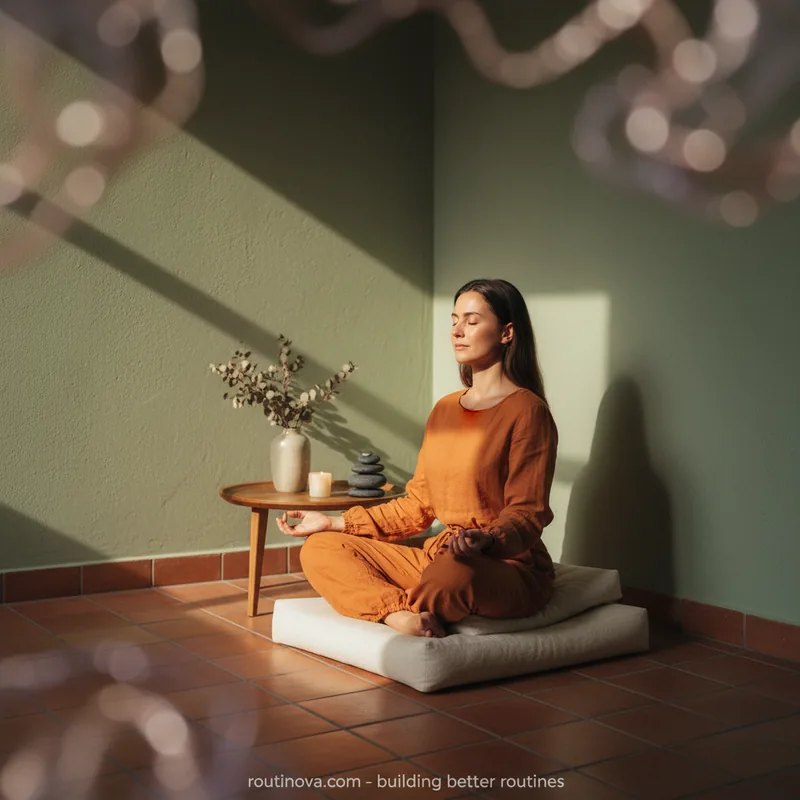
A great starting point is integrating proven stress-reducing activities into your daily routine. Consider making yoga or meditation a regular habit (Sharma, 2014). Even just 10-15 minutes a day can significantly shift your baseline, calming your nervous system and improving your mental clarity. Other simple yet powerful techniques include:
- Journaling: Get those swirling thoughts, worries, and frustrations out of your head and onto paper. This externalizes them, often making them feel less overwhelming and providing new perspectives.
- Listening to music: Create a calming playlist for stressful moments or a motivating one for energy. Music has a profound effect on mood and can actively lower cortisol levels.
- Regular physical activity: Even a brisk 30-minute walk several times a week can significantly reduce anxiety, improve mood, and boost overall well-being. Exercise is a powerful antidote to stress, helping to metabolize stress hormones and release endorphins (Harvard Medical School, 2019).
Now, you might be thinking, "What about those sudden, intense moments of stress when I feel completely overwhelmed?" For those, it's wise to have calming tactics on hand that you can deploy quickly. Breathing exercises, like the 4-7-8 method (inhale 4, hold 7, exhale 8), can quickly activate your parasympathetic nervous system, signaling your body to relax and bringing you back to the present moment. Progressive muscle relaxation, where you tense and then relax different muscle groups, can help you release physical tension that often accompanies mental stress. Or, for a quick perspective shift, try a simple three-minute mindfulness meditation focusing solely on your breath and bodily sensations.
And if all else fails, remember the undeniable power of movement and a change of scenery. Feeling that familiar rage bubble up because you're stuck in traffic, or frustration mounting over a difficult task? Step away. If you're able, pull over safely for a moment, or if you're at home or work, go outside and take a brisk stroll. The fresh air, the physical activity, and the simple act of changing your environment can be all it takes to help you get a grip and deal with whatever situation you're in without short-circuiting your ability to cope. It's a simple, immediate way to prevent stress from taking over your day and your long-term health.
Building a Life That Lasts: A Routinova Approach
The real question isn't just "can stress actually take years off your life?" but rather, "what are you actively doing about it?" Proactive stress management isn't a luxury; it's a fundamental pillar of a long, healthy, and fulfilling life. It's about cultivating habits that build resilience, not just reacting when things go wrong. Routinova believes in empowering you to create routines that support your well-being, transforming stress from a life-shortening force into a manageable challenge. We understand that a well-lived life is built on intentional choices, especially when it comes to mental and physical health.
By consciously choosing to integrate calming practices and developing effective coping strategies, you're not just managing your present; you're making a profound investment in your future. You're building a robust buffer against the inevitable curveballs of life, ensuring that a flat tire, a forgotten deadline, or a difficult conversation doesn't become another brick in the wall of chronic stress. Start today, one breath, one walk, one moment of calm at a time. Your future self, brimming with vitality and peace, will undoubtedly thank you.