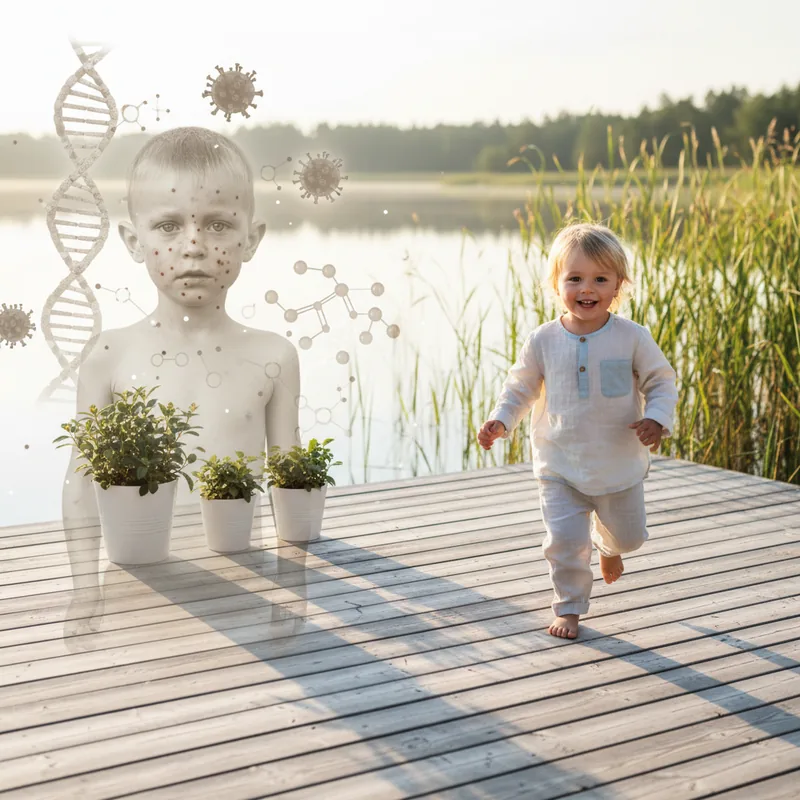
In an era where information is at our fingertips, it's paradoxical how easily dangerous myths can take hold, especially concerning public health. A concerning trend has emerged: as measles cases rise, so too does the belief that contracting this highly contagious disease might actually be beneficial. To be clear from the outset: no, contracting measles does not cure cancer, nor does it inherently boost your immune system.
The Alarming Resurgence and a Pervasive Myth
The numbers paint a stark picture. According to the CDC, measles cases in the U.S. soared from 285 in 2024 to 2,144 in 2025, marking the highest incidence since 1990. This resurgence is largely attributed to declining vaccination rates, yet a dangerous narrative has gained traction: the idea that measles infection is somehow “good” for your health, offering protection against chronic illnesses like cancer or heart disease.
This misconception is precisely what people are getting wrong. Public figures, including a former Department of Health and Human Services secretary, have publicly suggested that natural infection boosts immunity against various diseases. Online, influencers echo these claims, sometimes using pop culture references to argue that contracting childhood diseases “prepares a child’s immune system for long-term resiliency.”
A notable example of measles’ rapid spread in unvaccinated populations was the 2014-2015 Disneyland outbreak, which quickly affected multiple states and underscored the importance of herd immunity (California Department of Public Health, 2015). Despite clear evidence of the disease's dangers, the myth persists, often pointing to complex scientific findings stripped of their crucial context.
Unraveling the "Measles Cures Cancer" Misconception
The notion that measles can fight cancer isn't entirely baseless, but it's critically misinterpreted. There is a small, specific truth wrapped in a significant misunderstanding. The key lies in the distinction between a wild measles infection and a genetically modified therapeutic approach.
Oncolytic virus therapy utilizes viruses, including modified versions of the measles virus, to specifically target and destroy cancer cells. Researchers at Mayo Clinic successfully used a modified measles virus to treat a patient with an incurable cancer, leading to remission (Mayo Clinic, 2016). This groundbreaking work involves weaponizing a virus under controlled laboratory conditions, not relying on natural infection.
This distinction is crucial, yet it's precisely what people are getting confused. The wild measles virus is a dangerous pathogen, not a cancer cure. Scientists are exploring oncolytic virotherapy for various aggressive cancers, such as glioblastoma and melanoma, demonstrating the potential of highly specialized, engineered viruses (National Cancer Institute, 2023). However, these therapies are far removed from the risks and uncontrolled nature of a natural measles infection. Interestingly, the Mayo Clinic patient who benefited from this therapy was vaccinated against measles, highlighting that prior immunity can even be advantageous for such advanced treatments.
Beyond Cancer: Debunking Other Health Claims
The misinformation surrounding measles extends beyond cancer. Other pervasive myths include claims that contracting measles prevents heart disease or generally boosts the immune system.
Does Measles Prevent Heart Disease?
One study from Japan suggested an association between measles and mumps infections and a lower risk of death from atherosclerotic heart disease. However, critics have highlighted significant limitations in this research, noting its reliance on self-reporting within a pre-vaccine population. Given measles' high transmissibility, most individuals in that era would likely have been exposed, making it difficult to draw definitive conclusions. This is another area what people are getting wrong when interpreting scientific findings without considering methodological flaws.
Does Measles Boost Your Immune System?
While recovering from measles grants immunity to that specific virus, a natural infection actually harms the immune system as a whole. A landmark 2019 study from Harvard Medical School, published in Science, revealed that the measles virus causes “immune amnesia.” This phenomenon involves the wiping out of up to three-quarters of antibodies that protect against other infections, such as influenza or the bacteria causing pneumonia (Harvard Medical School, 2019; Science, 2019).
“The measles virus is like a car accident for your immune system,” Stephen Elledge, a Harvard University geneticist and senior author of the study, explained. “If your child gets the measles and then gets pneumonia two years later, you wouldn’t necessarily tie the two together. The symptoms of measles itself may be only the tip of the iceberg.”
In stark contrast, the measles vaccine does not cause a general weakening of the immune system. In fact, robust evidence shows the opposite: measles immunization programs have led to dramatic reductions in childhood deaths from other diseases. After measles vaccinations began in the United States in the 1960s, deaths from illnesses like pneumonia and diarrhea were cut by half, with even greater reductions in populations where infectious diseases are more common (CDC, 1960s data). This demonstrates the profound, positive systemic impact of vaccination.
The persistent myth of “chickenpox parties” to gain natural immunity, often seen as a harmless childhood rite, carries similar risks to measles infection, underscoring the dangers of intentionally exposing children to preventable diseases (American Academy of Pediatrics, 2022).
The Undeniable Imperative of Vaccination
Even if we were to concede, for argument's sake, that contracting measles might offer some hypothetical future benefit, the risks of natural infection far outweigh any unproven payoff. Measles is a serious and potentially deadly disease. Up to three out of every 1,000 cases can be fatal. Approximately one in every 1,000 children who contract measles will develop encephalitis, a severe brain swelling that can lead to convulsions, hearing loss, or intellectual disability.
Vaccination for measles, on the other hand, is remarkably safe. Serious side effects, such as severe allergic reactions, occur in only about one in a million doses (CDC, 2024). The measles vaccine generates robust immunity without the risk of encephalitis, without immune amnesia, and without gambling a child’s life on a speculative future benefit. If measles exposure truly primes the immune system in some beneficial way, vaccination captures that immune response while stripping out the damage.
Ultimately, what people are getting right is understanding that informed choices protect not just individuals, but entire communities. Despite compelling evidence, what people are getting wrong continues to fuel vaccine hesitancy, putting vulnerable populations at risk. Choosing vaccination is not only a personal health decision but a vital contribution to public health, safeguarding against a dangerous, preventable disease.