Picture this: It's the end of a long workday. You've been glued to your desk, and that nagging fitness tracker reminds you that you're still thousands of steps away from your daily goal. The truth? Chasing an arbitrary number like 10,000 steps every day can feel like a relentless, often disheartening, pursuit. For many, especially those with demanding desk jobs or physical limitations, the pressure to hit this step count becomes a source of stress itself. But what if there was a simpler, equally effective path to better health? Instead of 'hitting your steps' with a rigid daily target, the real secret lies in a more sustainable approach: simply sitting less and moving more throughout your day. This shift in perspective is not only easier to sustain but offers profound health benefits, making wellness an achievable habit rather than a daily chore.
Why Movement Matters More Than Step Counts
Extended periods of sitting have been linked to a host of health issues, significantly increasing the risk of cardiovascular disease, type 2 diabetes, and even certain cancers (American Heart Association, 2023). Many assume that a single intense workout or a high step count can offset hours of inactivity, but emerging research suggests otherwise. The key isn't just how much you move, but how often you break up sedentary time. Experts emphasize that you don't need to transform into a marathon runner or achieve some lofty step count to see real health improvements. Simply interrupting your sitting time throughout the day can make a meaningful difference.
Just a few minutes of movement can jumpstart your circulation, improve metabolic health, and reduce muscle stiffness. "Even ten minutes of moderate activity can lower the risk of cardiovascular disease and diabetes, while helping to preserve muscle mass," notes a recent report on physical activity guidelines (Mayo Clinic, 2023). In fact, a landmark 2022 study published in JAMA Internal Medicine suggested that incorporating just ten minutes of moderate exercise daily could prevent over 111,000 premature deaths annually. This robust evidence underscores that small, consistent changes, instead of 'hitting your steps' with an all-or-nothing mindset, can have a major impact on your long-term well-being.
Simple Ways to Integrate Movement Throughout Your Day
The beauty of focusing on sitting less, instead of 'hitting your steps' with a specific number, is its inherent flexibility. You don't need to disrupt your entire routine or draw attention to yourself. Instead, look for natural opportunities to weave more movement into your existing daily activities. Consider these practical ideas:
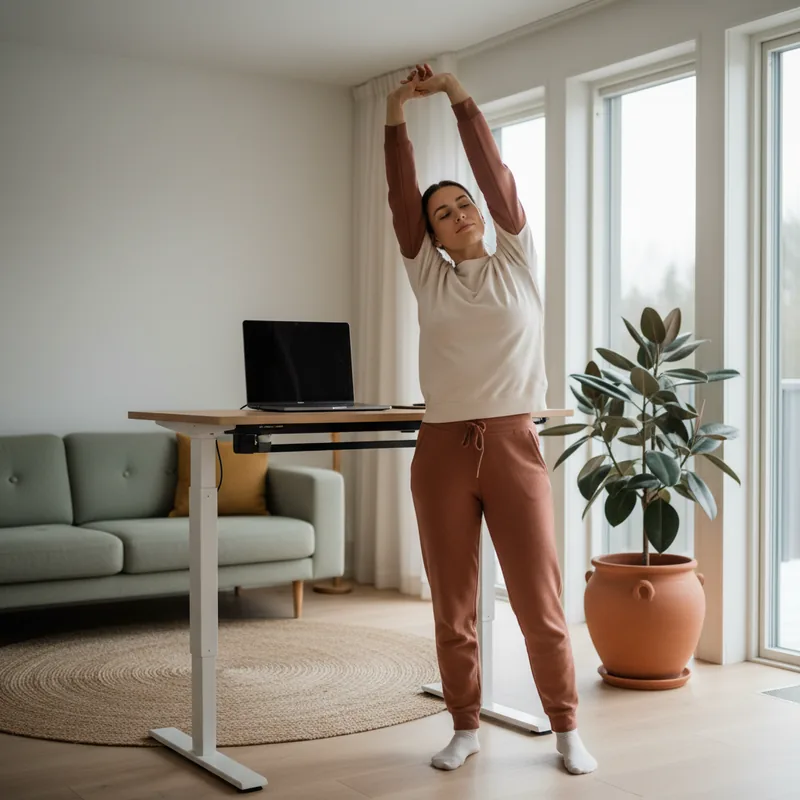
- Take "Active" Breaks: When you need a break from your screen, instead of scrolling on your phone, stand up and stretch, walk to a window, or do a quick set of calf raises while waiting for your coffee to brew.
- Strategic Walking: Park your car a bit further from the office or store entrance. If you live in an apartment building, take the stairs instead of the elevator.
- Optimize Household Chores: Turn everyday tasks like tidying up, doing laundry, or gardening into mini-workouts. Instead of 'hitting your steps' on a treadmill, make your home a gym.
- Movement During Calls: Pacing during phone calls or online meetings (if you're not on camera) is an excellent way to accumulate movement without feeling like an extra task.
- Bathroom Break Boost: Use restroom visits as an opportunity. Choose a bathroom on a different floor or further down the hall. Once there, perform 5-10 squats or lunges. These don't have to be perfect; the goal is simply to engage your large leg muscles, which boosts circulation and can improve mood.
- Set Reminders: Use a timer or an app to remind yourself to stand up and move for 2-5 minutes every hour. Even just standing for a minute or two can make a difference.
These small, consistent actions add up, providing cumulative health benefits that often surpass the stress of chasing a single, arbitrary step count. When you prioritize frequent movement breaks, you'll likely find that you feel more energized and focused, leading to greater productivity when you return to your tasks (Harvard Health, 2024).
The Bottom Line: Sustainable Wellness
Ultimately, wellness shouldn't feel like a punishment or an insurmountable challenge. Instead of 'hitting your steps' with a goal that might feel out of reach, commit to standing up and moving for a few minutes every hour. Take a lap around your living room, do some chair squats, or simply stand and stretch. The satisfaction comes not from an abstract number, but from the tangible feeling of incorporating mindful movement throughout your day. Achievable goals are the ones we are most likely to stick with, especially if you're recovering from an injury, managing a chronic condition, or simply new to integrating more movement into your life. By focusing on sitting less, you empower yourself with a flexible, effective, and sustainable path to a healthier, more vibrant life.