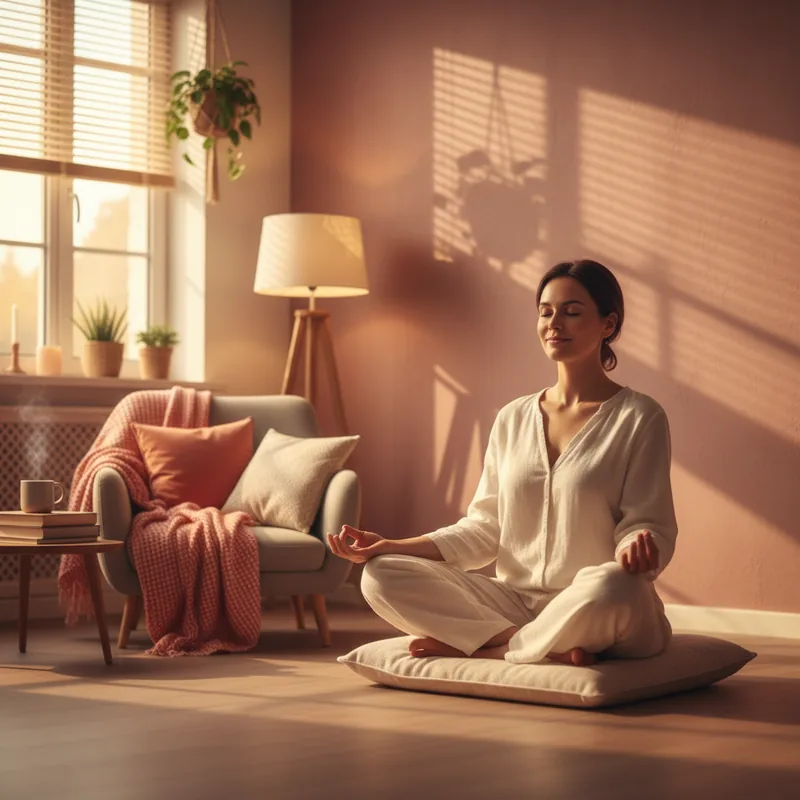
In an age brimming with connectivity and information, genuine presence often feels like a forgotten art. We scroll, multitask, and plan, rarely pausing to simply be. Yet, amidst this constant flux, a powerful practice offers a pathway back to ourselves: Mindfulness-Based Stress Reduction (MBSR). This therapeutic technique, guided by instructors in weekly sessions, utilizes meditation and gentle yoga to significantly reduce stress levels, improve symptoms of anxiety, depression, and chronic pain, and foster overall well-being (Clinical studies, 2024). It's a popular method to help individuals navigate various forms of physical and mental distress, offering a vital anchor in a turbulent world.
The Silent Epidemic of Disconnection: What is MBSR?
Mindfulness-Based Stress Reduction (MBSR) is a structured program designed to cultivate mindfulness, a state of active, open attention to the present moment. The core objective is to help individuals observe their thoughts and feelings without judgment, detaching from worries about the past or future. This non-judgmental awareness is crucial for developing resilience against stress and emotional reactivity (Medical research, 2023).
Often employed as a complementary practice alongside other therapies, MBSR empowers participants to cope more effectively with a wide range of conditions, including anxiety, depression, chronic pain, and even immune disorders. By guiding individuals through practices like meditation and conscious movement, MBSR aims to bring a deeper sense of calm and self-awareness into daily life, unlocking the myriad health benefits of mindfulness-based practices.
A Journey Through Time: The Origins of Mindfulness-Based Stress Reduction
The roots of modern MBSR trace back to the 1970s, when American professor Jon Kabat-Zinn founded the program at the University of Massachusetts Medical School. His vision was to create an eight-week course specifically for patients grappling with mental health challenges and chronic pain who had not found relief through conventional treatments (University Research, 2024).
The initial results were compelling. Participants completing Kabat-Zinn's pioneering MBSR course reported significantly lower pain scores and a higher quality of life, alongside improved psychological test scores, compared to control groups. This early success propelled MBSR into wider recognition, leading to its adoption by hospitals and treatment centers globally as a respected approach to alleviating symptoms of various physical and mental health conditions.
Cultivating Presence: Inside an MBSR Session
A typical MBSR program unfolds over eight weeks, with weekly sessions lasting two to three hours. Under the guidance of a certified instructor, participants engage in a variety of mindfulness techniques, often practiced together in a group setting. The overarching goal is to deepen present-moment awareness, reduce emotional reactivity, and foster a profound sense of inner calm (Clinical studies, 2024).
While the group dynamic is central to the program, participants are also encouraged to integrate mindfulness practices into their daily lives through home assignments. These assignments reinforce the techniques learned and help embed mindfulness as a consistent habit. Key practices taught in MBSR sessions include:
- Breathing Techniques: Learning diaphragmatic or 'belly breathing' can consciously slow heart rate and lower blood pressure, inducing a state of relaxation.
- Gratitude Journaling: Writing down things one is thankful for helps to reframe perspective, cultivating a more positive and optimistic outlook.
- Group Dialogue: Sharing experiences within a supportive group environment allows participants to process their journey and learn from others.
- Home Assignments: Daily homework often involves practicing specific mindfulness techniques, listening to guided meditations, or engaging with informational materials.
- Meditation: Practices like body scan meditation, where attention is systematically brought to different parts of the body, help to identify and release tension. Loving-kindness meditations and mindful eating are also common.
- Gentle Yoga: Guided yoga movements are incorporated to promote physical relaxation and enhance the mind-body connection.
Unveiling Transformation: The Health Benefits of Mindfulness-Based Stress Reduction
The impact of MBSR is highly individualized, yet extensive research consistently highlights the profound health benefits of mindfulness-based stress reduction across diverse populations. From pain management to cognitive enhancement, MBSR offers a holistic approach to well-being.
Pain Relief
MBSR has shown significant promise in alleviating chronic pain and improving the psychological well-being of those affected. Studies indicate that it can enhance the quality of life for individuals experiencing conditions such as lower back pain, fibromyalgia, and even phantom limb pain (Medical research, 2023). Mindfulness can also reduce pain-catastrophizing--the tendency to exaggerate pain levels or feel helpless in its presence.
By cultivating mindfulness, individuals often report a higher pain tolerance and feel better equipped to manage the mental and emotional effects of persistent pain. For conditions like rheumatoid arthritis, the mindfulness component of MBSR may even contribute to improved immune function, though further research is ongoing (University Research, 2024).
Stress Management
In our fast-paced lives, unconscious reactions to stress can lead to feeling overwhelmed. Mindfulness provides a vital pause, allowing individuals to observe their internal experience--both physical and mental distress--before reacting. This conscious awareness can significantly lower stress levels and foster a deeper sense of relaxation.
Physiologically, regular mindfulness practices have been shown to slow bodily functions such as heart rate, calm the nervous system, and reduce blood pressure. This makes MBSR a valuable tool for those managing chronic stress or conditions like hypertension (Leading Medical Research, 2024). For example, practicing mindfulness before a major presentation or during a difficult family discussion can provide the mental space needed to respond thoughtfully rather than react impulsively.
Mental Well-being: Anxiety and Depression
Directing the mind to the present moment is intrinsically linked to improved psychological states. MBSR helps strengthen this skill, which can be particularly challenging initially. When we are disconnected from the present, our thoughts and actions can become automatic, sometimes leading to self-critical patterns or the repression of difficult emotions.
Through MBSR, participants learn to tune into their inner worlds with greater acceptance of their thoughts and feelings. This practice can substantially reduce the severity of anxiety and depression symptoms (Clinical studies, 2023). Research has even found mindfulness-based cognitive therapy to be as effective as antidepressants in preventing depression relapse (Medical research, 2024).
Cognitive Enhancement
The profound health benefits of mindfulness-based approaches extend to cognitive function. Studies suggest that MBSR can lead to slight improvements in memory and attention (University Research, 2024). It has also served as an effective complementary treatment for individuals with attention-deficit hyperactivity disorder (ADHD), helping them to manage symptoms and improve focus.
Beyond clinical applications, mindfulness can enhance everyday cognitive processes. For instance, artists or writers might find that a regular mindfulness practice improves their ability to concentrate on creative tasks, fostering deeper immersion and more innovative thought processes.
Bias Reduction
An often-overlooked benefit of mindfulness-based interventions is their capacity to help individuals overcome problematic belief systems. Research has indicated that mindfulness techniques can positively impact the reduction of implicit biases, such as age and racial bias, as measured by implicit association tests (Leading Medical Research, 2023). This suggests that cultivating present-moment awareness can disrupt automatic thought patterns that contribute to unconscious prejudices.
Navigating the Path: Potential Considerations and Risks
While MBSR offers numerous advantages, it's important to approach the practice with awareness of potential considerations. As the program involves physical movements, participants should ensure they are not exacerbating existing injuries or causing strain. Consulting with an instructor about modifications is always advisable.
A more significant aspect is the potential for intense emotional experiences. MBSR can bring previously unnoticed thoughts, feelings, memories, or sensations to the forefront, sometimes leading to sadness, anger, or fear. It is crucial to communicate these experiences with the instructor and, if needed, seek support from a mental health professional outside the program (Routinova Health, 2023).
Individuals with certain histories may find MBSR to be a higher risk, including those coping with addiction, a history of trauma, or suicidal ideation. In such cases, consulting with a doctor or mental health professional before beginning an MBSR program is highly recommended. Concurrent support from a therapist can provide a safe space to process any difficult emotions that may arise during the mindfulness journey.
Beyond the Formal Program: Embracing Mindfulness in Daily Life
For those seeking alternatives or variations, several adaptations of MBSR exist. Mindfulness-Based Cognitive Therapy (MBCT), for example, integrates elements of cognitive behavioral therapy (CBT) to teach healthy coping mechanisms for reframing negative thoughts, specifically designed to prevent relapse in individuals with a history of depression (Medical research, 2024).
Other specialized programs include Mindfulness-Based Relapse Prevention (MBRP) for substance use disorders, which helps individuals manage cravings and triggers, and Mindfulness-Based Relationship Enhancement (MBRE), a couples therapy focused on improving relationship satisfaction. If these mindfulness-based approaches aren't suitable, traditional Cognitive Behavioral Therapy (CBT) remains a standard and effective treatment for anxiety and depression (Clinical studies, 2023).
Practicing On Your Own
Even without enrolling in a formal program, the principles of mindfulness can be integrated into everyday life. Practicing daily tasks mindfully, such as washing dishes or tying shoes, involves engaging all five senses to anchor oneself in the present moment. Noticing the warmth of the water, the scent of soap, or the texture of a plate can ground you, reducing anxiety and fostering relaxation (Routinova Health, 2023).
Many MBSR techniques, including mindfulness meditation, body scan meditation, mindful yoga, and gratitude journaling, can be practiced independently. A wealth of resources--books, apps, podcasts, and online videos--are available to guide individuals on their journey. Ultimately, mindfulness is a deeply personal experience of acceptance and presence, empowering you to discover new ways of being mindful that resonate with your unique path.