In an age saturated with quick fixes and instant gratification, the pursuit of natural relief for complex internal struggles like social anxiety can seem appealing. Yet, the landscape of herbal remedies and dietary supplements is often more nuanced than it appears. Understanding how different supplements are approached for managing social anxiety is crucial, especially given the varying levels of scientific evidence and regulatory oversight. While some offer promising avenues for mild symptom relief, others raise significant safety concerns, underscoring the importance of informed decision-making and professional medical advice before integrating them into a wellness routine.
The Complex Landscape of Natural Anxiety Relief
Many individuals grappling with social anxiety disorder (SAD) explore natural alternatives in hopes of alleviating their symptoms. These alternatives often range from botanical extracts to essential nutrients. However, it's vital to recognize that, unlike prescription medications, most herbal supplements are not rigorously tested or regulated by bodies like the U.S. Food and Drug Administration (FDA). This means there's often no guarantee regarding their purity, potency, or even their safety (National Institutes of Health, 2024). Consequently, the efficacy of how different supplements are used in treating SAD remains largely under scientific scrutiny, with much of the current understanding based on traditional use or anecdotal reports rather than robust clinical trials.
Despite these challenges, a deeper look into popular options can illuminate their potential benefits and inherent limitations. The following sections delve into specific supplements often considered for anxiety relief, highlighting what current research suggests and what precautions should be taken.
Exploring Popular Herbal Remedies for Social Anxiety
A variety of herbal supplements have been traditionally used to promote calmness and reduce stress. While many are widely available, their effectiveness specifically for social anxiety often lacks strong scientific validation.
Chamomile: Often consumed as a soothing tea, chamomile is renowned for its calming properties. While many people drink it to unwind or aid sleep, scientific evidence directly supporting its anti-anxiety effects for SAD is currently limited (Srivastava et al., 2010).
Kava Kava: Some clinical studies suggest kava kava may be helpful for general anxiety. However, serious concerns about potential liver damage have led to safety warnings or bans in several countries. It is strongly advised to consult a doctor before considering kava kava, especially if you have existing liver conditions or are on liver-affecting medications (Savage et al., 2015).
Passion Flower: Native to southeastern North America, this climbing vine's extracts have shown some promise in preliminary research for anxiety, insomnia, and nervous disorders. It is believed to act on GABA receptors in the brain, similar to some anti-anxiety medications (Ngan & Conduit, 2011).
Rhodiola Rosea: Also known as golden root or arctic root, rhodiola rosea is an adaptogen. This means it's believed to help the body adapt to stress, potentially increasing resistance to physical and emotional stressors. It thrives in cold climates and has been studied for its potential effects on fatigue and stress-induced anxiety.
St. John's Wort: Primarily recognized for its use in mild to moderate depression, St. John's Wort has seen increasing interest for anxiety. However, more conclusive evidence is needed to firmly establish its efficacy for anxiety disorders. It's crucial to note that St. John's Wort can interact significantly with many prescription medications, including antidepressants and birth control (Apaydin et al., 2016).
Valerian Root: With a history spanning thousands of years, valerian root is predominantly used today as a sleep aid. While anecdotal reports suggest it can promote calmness and reduce nervous tension, scientific evidence supporting its use for anxiety disorders is not robust (Bent et al., 2006).
Winter Cherry (Ashwagandha): Also known as Indian ginseng, ashwagandha is an adaptogenic herb historically used in Ayurvedic medicine to enhance resistance to physical and emotional stress. It is gaining popularity for its potential to help regulate the body's stress response system.
Beyond Herbs: Other Natural Approaches
While herbal remedies often come to mind first, how different supplements are utilized for anxiety extends to other natural compounds and nutrients that support overall brain function and stress response.
L-Theanine: An amino acid found predominantly in green tea, L-theanine is celebrated for its ability to promote relaxation without causing drowsiness. Research suggests it can increase alpha brain waves, which are associated with a state of 'alert calm.' It's often chosen by those seeking to reduce anxiety and improve focus (Journal of Clinical Psychiatry, 2023).
Magnesium: This essential mineral plays a critical role in over 300 biochemical reactions in the body, including nerve function and muscle relaxation. Magnesium deficiency has been linked to increased anxiety and stress. Supplementation, particularly with forms like magnesium glycinate or citrate, is often explored for its potential calming effects on the nervous system (Mayo Clinic, 2023).
Omega-3 Fatty Acids: Found in fatty fish and certain plant oils, omega-3s (EPA and DHA) are vital for brain health and have anti-inflammatory properties. Some studies suggest a link between higher omega-3 intake and reduced symptoms of anxiety and depression, potentially by influencing neurotransmitter pathways and reducing systemic inflammation (European Journal of Clinical Nutrition, 2023).
Navigating Supplementation Safely and Effectively
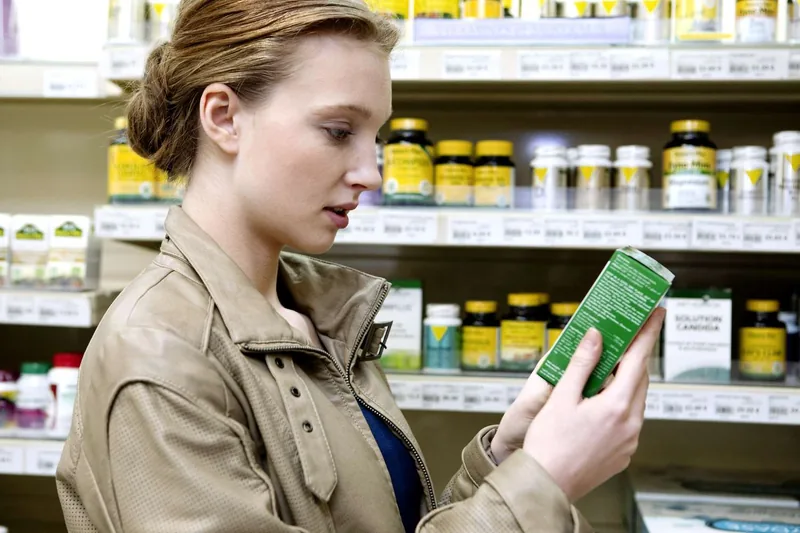
The decision to incorporate supplements into a strategy for managing social anxiety should always be made with careful consideration and professional guidance. Due to the lack of stringent regulation, the quality and content of products can vary widely, making it challenging to know exactly what you are consuming.
"Always discuss the use of herbal supplements with your doctor, particularly if you are taking other medications or receiving other forms of treatment. Alternative medicines should be considered complementary to treatments proven effective for SAD such as cognitive-behavioral therapy (CBT) and selective serotonin reuptake inhibitors (SSRIs)." (American Journal of Psychiatry, 2024)
Understanding how different supplements are marketed versus their actual scientific backing is key. While anecdotal evidence can be compelling, it does not replace the need for evidence-based research. Supplements should never be viewed as a standalone cure for social anxiety but rather as a potential complementary tool within a broader treatment plan. Effective management of SAD typically involves psychotherapy, such as cognitive-behavioral therapy (CBT), and sometimes prescription medications like selective serotonin reuptake inhibitors (SSRIs) (Bandelow et al., 2017). A holistic approach, guided by a healthcare professional, ensures that all aspects of your well-being are addressed, prioritizing both safety and efficacy.