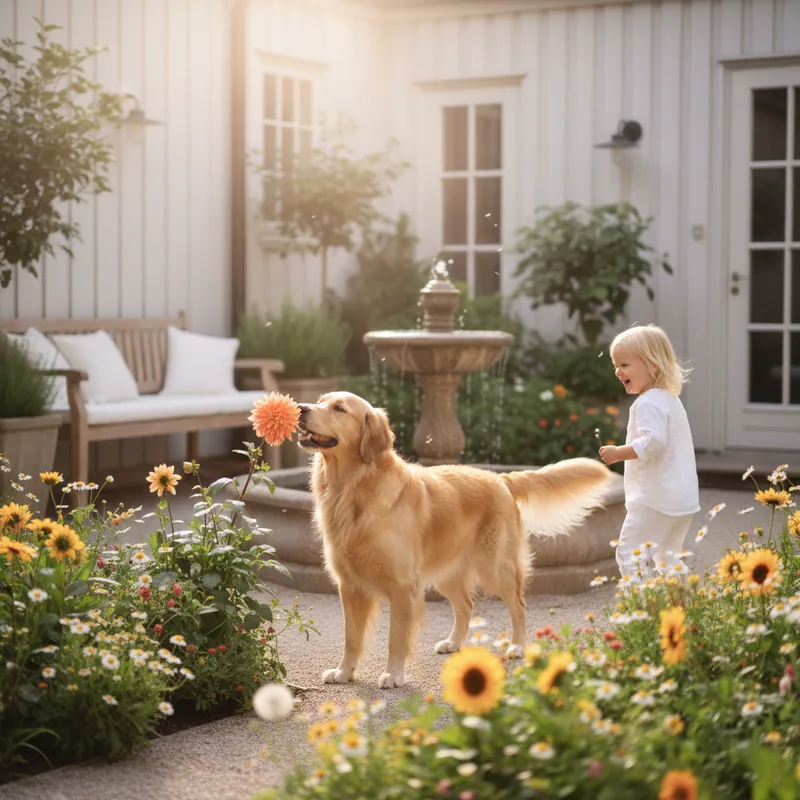
Your backyard is more than just a patch of grass; it's an extension of your home, a place for laughter, relaxation, and cherished memories with your family--including your four-legged members. But before you start dreaming of lush landscaping and vibrant blooms, a crucial question arises: are the outdoor trees and plants you're considering safe for your beloved pets? It's a common oversight, but one that can have serious consequences, as many beautiful plants are surprisingly toxic to dogs and cats.
Creating a pet-friendly outdoor oasis means being informed. You need to know which outdoor trees, plants, and shrubs offer beauty without the bite, and which to steer clear of entirely. Fortunately, you don't have to sacrifice style for safety. We've curated a guide to help you select the best outdoor trees and plants that are safe for pets, ensuring your garden is a joyful and secure space for everyone.
Beautiful, Safe Trees and Shrubs
When envisioning your perfect garden, trees and shrubs often form the backbone, providing shade, privacy, and structure. You might assume these larger plants are inherently safe, but even parts like nuts, leaves, or bark can pose risks. Thankfully, many stunning varieties are perfectly fine for your furry companions.
Consider the striking Red Maple for its vibrant foliage - while toxic to horses, it's a safe choice for dogs and cats. The elegant Dogwood, with its delicate white and green flowers, is another 100% pet-safe option, offering lovely shade. For those with pets who love to sample everything, the Magnolia is a relief; its leaves, flowers, and bark are all non-toxic.
The charming Serviceberry, also known as Shadbush or Juneberry, adds visual appeal with its blossoms and provides a feast for local birds, all while being safe for your pets, berries included. If you're looking for something between a tree and a shrub, the fast-growing Crape Myrtle is a landscaping favorite that poses no threat. For natural privacy screens, colorful Camellias are a beautiful and safe shrub choice.
If you adore the look of azaleas or rhododendrons but are wary of their toxicity, Spiraea offers a similar full, blossoming appearance and is completely pet-safe. Lastly, Golden Bells, with their cheerful yellow blooms, are perfect for edging and screening without putting your pets at risk (ASPCA, 2024).
Key trees and shrubs to avoid include: Walnut trees, most fruit trees (especially their pits and seeds), azaleas, and rhododendrons.
Colorful Blooms: Annuals and Perennials
Annuals and perennials bring life and color to your garden beds, allowing for flexibility or long-term beauty. When choosing these smaller plants, always double-check their safety profile.
For vibrant, season-long color, Impatiens are an easy-to-grow choice that blooms from spring through summer. If you need to quickly fill a gap with a toxic plant, fast-growing Zinnias offer beautiful pink and red hues. Sunflowers, in their many varieties, are not only stunning and great for pollinators but also safe for your pets.
While technically tender perennials, Petunias are usually treated as annuals and provide wonderful pops of color without harming your animals. For unique texture and height, the spiky, colorful Celosias are both easy to grow and perfectly safe. These are excellent outdoor trees plants that add visual interest.
When it comes to perennials, Asters offer a late-season burst of color, resembling mums but without the toxicity. Coral Bells are fantastic for filling flower beds, attracting pollinators, and adding vibrant foliage. If you love daisies, Tickseed (Coreopsis) is a safer, drought-tolerant alternative that comes in various colors.
And for your feline friends (and dogs too!), Catmint, a cousin to catnip, offers beautiful purple flowers and is safe for pets to nibble on. These additions ensure your outdoor trees plants that are a delight for all senses.
Annuals to avoid: Tulips, begonias, lilies (especially true lilies), and geraniums. Perennials to avoid: Daisies, mums, creeping jenny, ajuga, peonies, hosta, and lilies.
Safe Eats: Vegetables and Herbs
If your garden serves a culinary purpose, remember that not all edible plants are safe for pets. Many common vegetables and herbs are perfectly fine for your furry companions to be around, and some are even beneficial.
Safe vegetable choices include carrots, cucumbers, zucchini, lettuce, spinach, pumpkin, peas, sweet potatoes, and broccoli. These are great additions to your garden, providing healthy options for both you and your pets. For herbs, you can confidently grow basil, sage, rosemary, cilantro, dill, and thyme for your cooking needs.
Consider companion planting by interspersing pet-safe herbs like basil and rosemary among your flowers. This not only adds fragrance and flavor to your garden but can also help deter certain pests naturally, creating a healthier ecosystem for your outdoor trees plants that.
Vegetables to avoid: Tomatoes (especially the plant and unripe fruit), potatoes (especially the plant and green parts), onions, hot peppers, eggplant, and green beans. Herbs to avoid: Chives, oregano, mint, bay leaf, and tarragon (ASPCA, 2024).
Ground Covers and Mulch: The Finishing Touches
Don't overlook ground covers and mulch; they tie your landscaping together and protect the soil, but can also be hazardous. Most common lawn grasses are safe, though cats may eat them to induce vomiting - a natural behavior, but one to monitor.
Other safe ground cover options include moss, snow-in-summer, sedges, hardy iceplant, lamb's ear, and creeping phlox. These provide texture and coverage without posing a significant risk.
What to avoid: Cocoa mulch (highly toxic), asparagus fern, and ivy. Always check the ingredients of mulches, as some can contain toxic substances or ingredients harmful to pets if ingested.
Creating a beautiful and safe outdoor space is achievable with careful planning. By understanding which outdoor trees plants that are pet-friendly and which to avoid, you can ensure your garden is a haven for both your family and your furry friends.