It's 3 PM, and your calendar is a battlefield. Emails pile up, deadlines loom, and your to-do list seems to multiply with every glance. Your shoulders are practically touching your ears, your jaw aches, and that familiar knot of anxiety tightens in your stomach. You feel overwhelmed, scattered, and desperately wish there was an "off" switch for your racing mind. Sound familiar? We've all been there, caught in the relentless current of modern life, where stress often feels like an unwelcome companion.
But what if a powerful antidote to this daily overwhelm was as simple as the air you breathe? What if, with a subtle shift in your breath, you could tap into an innate ability to calm your entire system? This isn't just wishful thinking; it's the promise of coherent breathing, a deceptively simple yet profoundly effective technique. By learning how coherent breathing can rebalance your nervous system, you gain a powerful tool to navigate stress, quiet anxiety, and reclaim a sense of inner peace. It's about more than just taking a deep breath; it's about consciously orchestrating your body's relaxation response, offering a direct pathway to a calmer, more focused you.
What is Coherent Breathing?
At its core, coherent breathing is a deliberate practice of slowing your breath to a specific, rhythmic pace--typically around five breaths per minute. Think of it as tuning your body's internal rhythm. While breathing is largely an automatic process, it's also one of the few autonomic functions we can consciously control. This unique duality allows us to influence our internal state directly.
In coherent breathing, the goal is to extend both your inhale and exhale to approximately six seconds each. This means inhaling for a count of six, and then exhaling for a count of six, creating a smooth, uninterrupted cycle. Our natural tendency is to breathe much faster, often shallowly, at a rate of two to three seconds per breath. By lengthening these cycles, you engage your diaphragm more fully and send a clear signal to your nervous system: it's time to relax.
This controlled breathing isn't a new-age fad. It's a technique often integrated into ancient practices like yoga, where it's known as "pranayama," or breath control. It's also a cornerstone of many meditation practices. The beauty of coherent breathing, however, is that it requires no special equipment, no guru, and no complex philosophy. All you need is your breath and a willingness to explore its calming potential.
The Science of Calm: How Coherent Breathing Works
So, how does simply changing your breath pattern create such a profound shift in your body and mind? The answer lies deep within your autonomic nervous system (ANS), the command center that regulates involuntary bodily functions like heart rate, digestion, and, yes, breathing. The ANS has two main branches: the sympathetic nervous system, responsible for your "fight or flight" response, and the parasympathetic nervous system, which governs "rest and digest." Coherent breathing directly influences this delicate balance.
The Vagus Nerve Connection
The star player in this physiological drama is often the vagus nerve. This remarkable nerve, sometimes called the "wanderer," is the longest cranial nerve in your body, extending from your brainstem, through your diaphragm, and into your gut. It acts as a crucial communication highway, sending signals that adjust the activity of both the sympathetic and parasympathetic nervous systems (Balasubramanian, et al., 2017). When activated, the vagus nerve helps put the brakes on a racing heart and an overactive mind, ushering in a state of calm.
Think of your breath as a direct dial to your vagus nerve. When you slow your breathing down, particularly with elongated exhales, you stimulate the vagus nerve. This stimulation sends a powerful message to your brain, signaling that you are safe, not in danger. This is why learning how coherent breathing can calm your system is such a game-changer: you're consciously influencing processes that are usually beyond your direct control, essentially "hacking" your nervous system for peace.
This connection is gaining significant attention, with many exploring "vagal stimulation techniques" to improve mood and manage anxiety. While more research is always beneficial, the anecdotal evidence and emerging studies suggest that regular breathwork like coherent breathing can indeed enhance vagal tone, making your nervous system more resilient and responsive to stress (Jerath, et al., 2015).
Beyond the Vagus Nerve
The benefits of coherent breathing extend beyond just the vagus nerve. This practice also positively impacts the phrenic nerve, which plays a role in diaphragm function and can improve blood circulation. Furthermore, it influences the amygdala, a key brain region involved in processing emotions, particularly fear and anxiety (Bordoni, et al., 2018). By calming the amygdala, coherent breathing helps to reduce the intensity of anxious responses.
Consider a moment when you're about to give a presentation, and your heart is pounding. Instead of letting panic take over, you pause, close your eyes, and engage in coherent breathing. The deliberate slowing of your breath helps to soothe your amygdala, reducing the fight-or-flight response and allowing you to approach the situation with greater composure. This is a practical example of how coherent breathing can empower you in real-time.
The Profound Effects of Coherent Breathing
While the scientific community continues to unravel the full spectrum of coherent breathing's benefits, the existing research and widespread anecdotal evidence paint a compelling picture. This simple practice has been linked to a wide array of mental and physical health improvements, offering a holistic approach to well-being.
Regular practice of coherent breathing may be helpful for a host of conditions, including insomnia, anxiety, and depressive symptoms. It's also associated with reduced stress, an improved immune system response, heightened alertness, better concentration, and increased vitality. Emerging studies even suggest potential benefits for post-traumatic stress disorder (PTSD) and attention deficit disorder (ADD) (Streeter, et al., 2017).
Here's what some of the research indicates:
- Increased GABA Levels: One study observed an increase in gamma-aminobutyric acid (GABA) levels after controlled breathing practices. GABA is a neurotransmitter known for its powerful anti-anxiety and calming effects on the brain (Streeter, et al., 2020). This means that coherent breathing isn't just feeling calming; it's actively changing your brain chemistry.
- Reduced Inflammation: Another study found lower levels of cytokines--molecules linked to inflammation and stress--following coherent breathing exercises (Twal, et al., 2016). Chronic inflammation is a silent culprit in many health issues, so a practice that helps mitigate it is incredibly valuable.
- Overall Stress and Anxiety Reduction: Broadly, breathwork, or the intentional control of breath, is consistently associated with lower perceived stress and reduced anxiety across various populations (Fincham, et al., 2023). This reinforces the idea that conscious breathing is a fundamental tool for mental resilience.
Imagine you're caught in a traffic jam, already late for an important appointment. Your frustration mounts, and your heart rate climbs. Instead of spiraling, you consciously begin coherent breathing. The deliberate inhales and exhales help to interrupt the stress response, preventing a full-blown anxiety attack and allowing you to think more clearly about alternative routes or making a quick phone call. This is how coherent breathing can empower you in real-time.
Your Step-by-Step Guide to Coherent Breathing
Ready to experience the calming power of coherent breathing for yourself? It's simpler than you might think. Here's a practical guide to get you started:
- Tune into Your Natural Breath: Begin by simply observing your breath. Don't try to change anything yet. Just notice the length of your natural inhales and exhales. This gives you a baseline.
- Find Your Comfort Zone: Sit or lie down in a comfortable position. Place one hand gently on your stomach, just below your ribs. This helps you monitor your breath and ensure you're breathing deeply from your diaphragm, not shallowly from your chest.
- Start Gradually: Begin by inhaling slowly for a count of four seconds, feeling your stomach rise. Then, exhale slowly for a count of four seconds, feeling your stomach fall. Practice this for about one minute.
- Extend the Rhythm: Once comfortable with four seconds, extend your inhales and exhales to five seconds each. Maintain a smooth, continuous flow without holding your breath at the top or bottom.
- Reach for Six Seconds: The sweet spot for many is six seconds per inhale and six seconds per exhale. Continue practicing at this pace. If it feels too long, revert to five seconds. The key is comfort and ease, not strain.
During your practice, it's perfectly normal for your mind to wander or for you to feel the urge to take a deeper breath. When this happens, simply acknowledge the thought or sensation, and gently guide your focus back to the sensation of your breath and the counting. Remember, you're not trying to force air in; you're allowing your breath to naturally deepen and lengthen as you practice.
While six seconds is a common target, some individuals with larger lung capacity might find longer breaths, up to 10 seconds, more comfortable and effective. It's also perfectly fine if your exhale is slightly longer than your inhale. The most important aspect is finding a rhythm that feels natural and relaxing for your body.
Once you can comfortably maintain coherent breathing for five minutes, gradually work your way up to 15-20 minutes daily. The beauty of this technique is its portability: you can practice it anywhere. Try it in bed before sleep, during a stressful commute, while waiting in line, or even discreetly during a challenging meeting to regain your composure.
Finding Support for Your Breathing Practice
While coherent breathing is accessible on your own, sometimes a little guidance can make a big difference. If you find yourself struggling to maintain the rhythm or unsure if you're doing it "right," several resources can help.
- Join a Yoga Class: Many yoga styles, particularly Hatha or Vinyasa, incorporate breathwork (pranayama) as a core component. An experienced instructor can provide real-time feedback, ensuring you're engaging your diaphragm correctly and not holding tension. The communal setting can also be motivating and help establish a regular practice.
- Attend Breathing Workshops: Dedicated breathwork workshops are becoming increasingly popular. These sessions often focus specifically on techniques like coherent breathing, offering in-depth instruction and supervised practice. Working with a facilitator and a small group can provide personalized tips and a supportive environment to refine your technique.
- Leverage Technology: In our digital age, help is often just an app away. Numerous mobile applications and even smartwatches offer guided breathing exercises. These tools typically provide visual or auditory cues to help you pace your inhales and exhales, making it easier to stay consistent and find your rhythm. Search for apps that specifically mention "coherent breathing" or "resonant breathing" for targeted guidance.
For example, a busy parent might use a breathing app during their child's naptime to quickly reset and reduce the accumulated stress of the day. The guided rhythm helps them focus immediately, making the most of their limited quiet moments. This demonstrates how coherent breathing can fit into even the most demanding schedules.
Exploring Other Breathwork Techniques
While coherent breathing is a fantastic starting point, the world of breathwork offers many variations. Once you're comfortable with coherent breathing, you might want to explore other techniques that offer different benefits, from deep relaxation to an energizing boost.
- Belly Breathing (Diaphragmatic Breathing): This technique emphasizes deep, abdominal breathing, which is fundamental to many calming practices. To try it, sit comfortably with one hand on your stomach. As you inhale, lean slightly forward, allowing your belly to expand fully. As you exhale, curl forward gently, squeezing out all the air. Repeat this 15-20 times, focusing on the movement of your diaphragm. It's a powerful way to engage the parasympathetic nervous system.
- Energizing Breath: Sometimes, you need a quick pick-me-up more than a calm-down. If you're feeling sluggish at your desk, try this: Stand up, bend your elbows, and face your palms upward. As you inhale, draw your elbows back, keeping your palms up. Then, as you exhale, thrust your palms forward and turn them downward, making a sharp "HA" sound. Repeat this vigorously 15 times. It's a quick way to oxygenate your body and clear your mind.
When Coherent Breathing Needs More Support
Coherent breathing is an incredibly powerful tool, but it's important to approach it with realistic expectations. While it can significantly reduce stress and anxiety, it's not a magic bullet for severe mental health conditions. If you've been diligently practicing coherent breathing and still find yourself grappling with persistent, intense anxiety or depressive symptoms, it's crucial to understand that you're not doing anything "wrong."
Sometimes, underlying factors like deeply ingrained negative thought patterns can make it difficult for your body to fully enter a relaxed state, even with perfect breathing technique. These thoughts can act like a constant low-level stressor, counteracting the calming effects of breathwork. In such cases, integrating cognitive-behavioral strategies can be incredibly helpful. Techniques that challenge and reframe negative thoughts can reduce their impact, allowing your body to respond more fully to relaxation practices like coherent breathing (Fitzpatrick, et al., 2017).
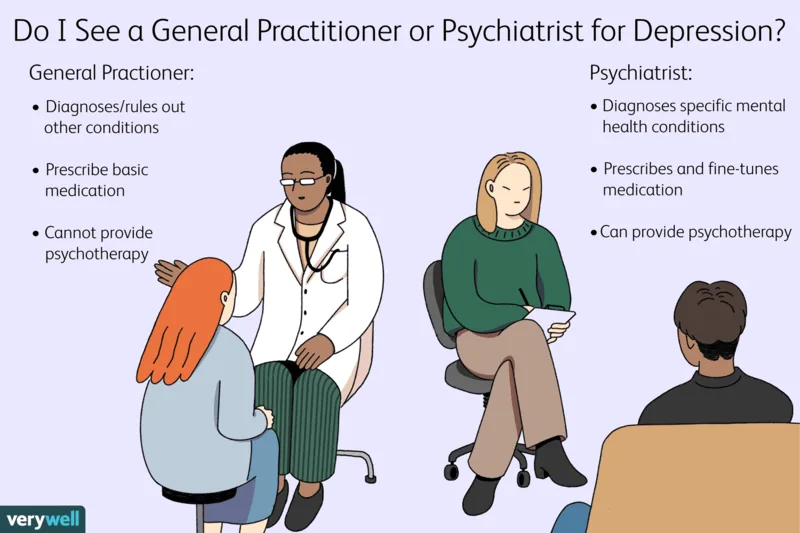
If your symptoms remain severe or significantly impact your daily life despite consistent practice, consider reaching out to a doctor or mental health professional. They can help you explore other options, such as therapy, medication, or a combination of approaches, to provide the comprehensive support you need. Coherent breathing can be a valuable part of a broader wellness strategy, but it's rarely meant to be the sole solution for complex mental health challenges.
Remember, seeking professional help is a sign of strength, not weakness. It means you're committed to your well-being and willing to explore all avenues to find lasting peace and stability. Learning how coherent breathing can support your mental health is a fantastic step, but it's one piece of a larger, personalized puzzle.