When Maria faced her biggest presentation yet, her heart pounded, and her muscles tensed. The familiar grip of anxiety threatened to derail her confidence. But instead of succumbing, she took a quiet moment, focused on her breath, and intentionally tensed and then relaxed each muscle group in her body. Within minutes, a wave of calm washed over her, allowing her to step onto the stage with newfound composure. This powerful technique, known as Progressive Muscle Relaxation (PMR), is a simple yet profound way to regain control over your body's anxiety response and find immediate tranquility.
So, how can you chill out: how to master this technique? Progressive Muscle Relaxation involves systematically tensing and then relaxing different muscle groups throughout your body. By consciously experiencing the contrast between tension and release, you learn to identify and alleviate physical stress, leading to a deeper state of mental and physical calm (U.S. Department of Veterans Affairs, n.d.).
The Science of Serenity: How PMR Transforms Your Well-Being
First introduced by American physician Edmund Jacobson in the 1930s, PMR is more than just a relaxation exercise; it's a physiological retraining of your body's stress response. If you frequently experience anxiety, your muscles are likely in a near-constant state of tension. PMR teaches you to recognize the subtle differences between a tense and a relaxed muscle, giving you greater control over your physical state.
This technique is often used alongside cognitive behavioral therapy (CBT) but is highly effective on its own for managing everyday stress and anxiety. The benefits extend far beyond immediate calm, contributing to long-term health and well-being. Chronic stress and anxiety are linked to various health issues, including depression, heart disease, and irritable bowel syndrome (APA, n.d.). Incorporating PMR into your routine can be a vital component of a comprehensive stress management toolbox.
Proven Benefits of Progressive Muscle Relaxation
- Anxiety Reduction: A 2021 study found PMR to be immediately effective in inducing relaxation, making it an excellent choice for rapid anxiety relief (Toussaint et al., 2021). For instance, a student preparing for a high-stakes exam can use PMR moments before entering the testing room to calm their nerves.
- Stress Management: By inducing relaxation, PMR directly counters the physiological effects of stress. Research indicates that PMR can significantly reduce levels of the stress hormone cortisol and decrease self-reported stress (Chellew et al., 2015). Imagine a busy professional using PMR after a demanding workday to unwind and prevent burnout.
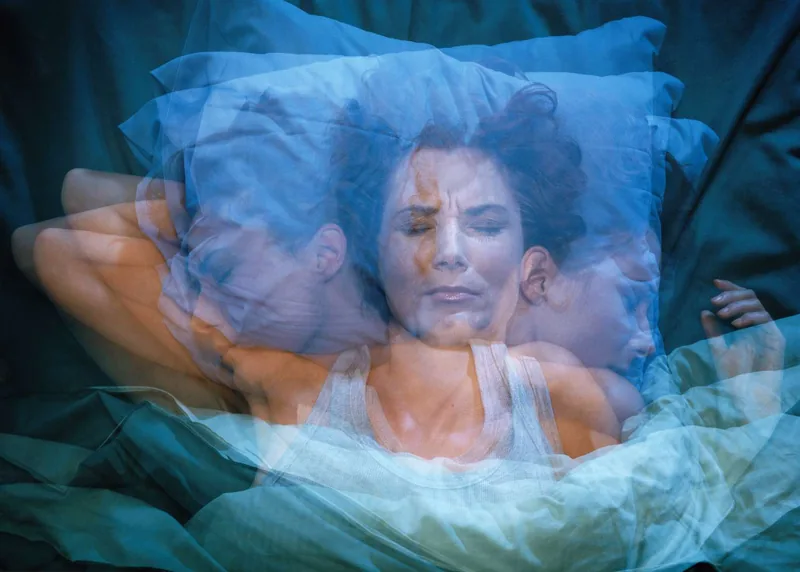
- Improved Sleep Quality: Relaxing both mind and body makes PMR a powerful sleep aid. A study on burn patients experiencing high anxiety and poor sleep found that those practicing PMR had significantly better sleep and less anxiety (Harorani et al., 2020). If you struggle to fall asleep, learning how to chill out: how to relax your body can be a game-changer.
- Pain Relief: Muscle tension caused by anxiety and stress often contributes to or worsens chronic pain. PMR has been shown to help alleviate neck pain (Lauche et al., 2013), lower back pain (Mateu et al., 2018), and even reduce the frequency of migraines (Meyer et al., 2016). An athlete recovering from an intense workout might use PMR to soothe tense muscles and accelerate recovery.
Your Step-by-Step PMR Practice to Deep Relaxation
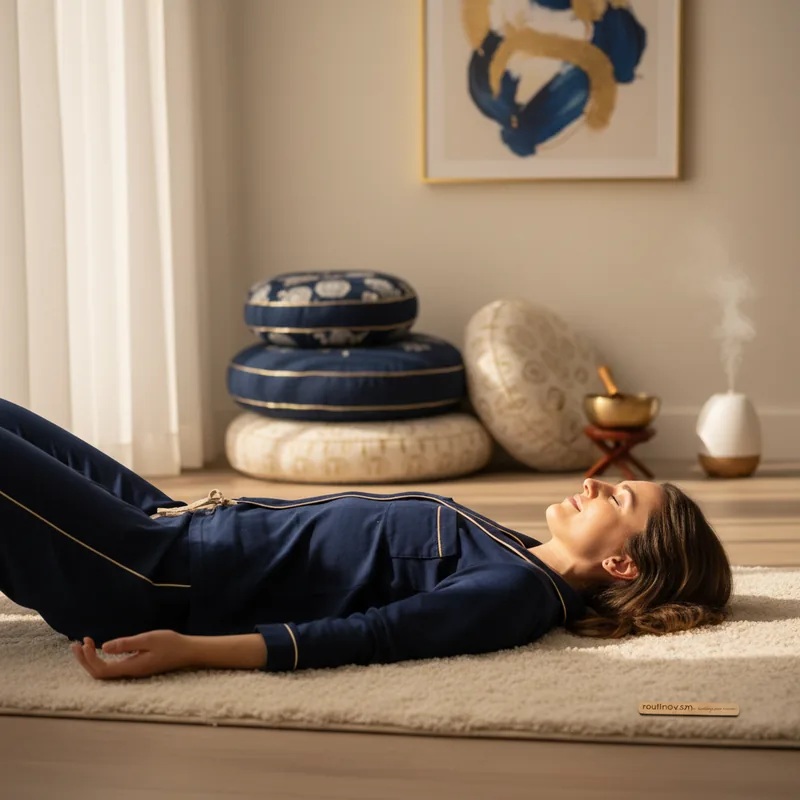
To begin your PMR journey, find a quiet space free from distractions. Lie down comfortably or recline in a chair. Loosen any tight clothing, remove glasses or contacts, and rest your hands gently in your lap or on the chair arms. Start with a few slow, deep diaphragmatic breaths to prepare your body. Now, focus your attention on each muscle group, tensing for approximately 15 seconds and then releasing for 30 seconds.
- Forehead: Squeeze the muscles in your forehead, as if frowning deeply, holding for 15 seconds. Feel the tightness. Then, slowly release the tension over 30 seconds, noticing the muscles softening. Breathe slowly and evenly.
- Jaw: Tense your jaw muscles by clenching your teeth gently (without excessive force), holding for 15 seconds. Then, slowly release the tension over 30 seconds, allowing your jaw to hang loose. Notice the profound relaxation.
- Neck and Shoulders: Raise your shoulders towards your ears, creating tension in your neck and shoulders. Hold for 15 seconds. Slowly release, letting your shoulders drop and the tension melt away over 30 seconds.
- Arms and Hands: Make tight fists with both hands, pulling them gently into your chest. Squeeze as hard as you can for 15 seconds. Then, slowly release, unclenching your fists and letting your arms relax over 30 seconds.
- Buttocks: Slowly increase tension in your buttocks, squeezing the muscles tightly for 15 seconds. Then, gently release the tension over 30 seconds, feeling it dissipate. Continue breathing slowly and evenly.
- Legs: Tense the muscles in your quadriceps and calves, squeezing them firmly for 15 seconds. Then, slowly release the tension over 30 seconds, noticing the feeling of relaxation spreading through your legs.
- Feet: Curl your toes and tense the muscles in your feet, tightening them as much as you can for 15 seconds. Then, slowly release the tension over 30 seconds, feeling all tightness melt away.
After systematically working through each group, take a moment to enjoy the sensation of full-body relaxation. Continue to breathe slowly and evenly. With consistent practice, you'll find you can induce this wave of calm more quickly and effectively whenever you need to chill out: how to manage daily stressors.
Maximizing Your Relaxation Journey: Practical Tips
To get the most out of your PMR practice, consider these expert tips:
- Comfort is Key: Wear loose, lightweight clothing. While PMR can be done anywhere, optimum comfort enhances the experience.
- Time It Right: Dedicate 15 to 20 minutes for each session, ensuring you're not rushed.
- Deep Breathing: Always pair PMR with deep, diaphragmatic breathing. Avoid holding your breath or taking shallow breaths, as this counters the relaxation effect.
- Start Calm: When first learning, practice PMR when you're already feeling relatively calm. This helps you better distinguish between tension and relaxation, making it easier to apply when anxiety strikes.
- Guided Sessions: Utilize guided audio recordings. Many free resources are available from universities and wellness platforms. These recordings allow you to fully immerse yourself in the technique without needing to remember the sequence, making it easier to chill out: how to let go.
When to Seek Professional Support
While relaxation techniques like Progressive Muscle Relaxation are incredibly beneficial for mild to moderate anxiety and stress, they are most effective as part of a broader wellness strategy. PMR can complement traditional treatments such as cognitive-behavioral therapy or medication, enhancing their effectiveness.
However, if you're experiencing significant or chronic symptoms of anxiety, depression, or overwhelming stress, it's crucial to consult with a doctor or mental health professional. They can provide a comprehensive diagnosis and recommend a suitable treatment plan tailored to your needs, ensuring you receive the support necessary for lasting well-being.