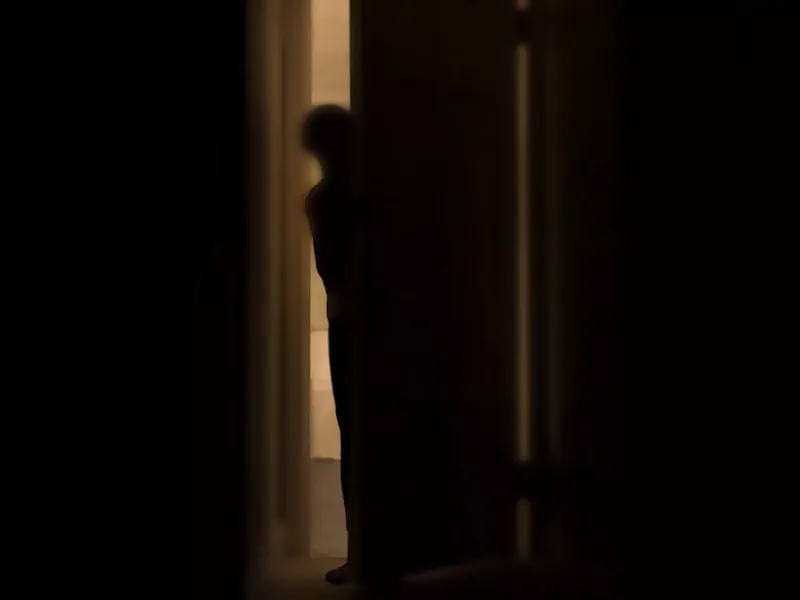
Sleepwalking, a mysterious and often unsettling phenomenon, can leave individuals vulnerable and their loved ones concerned. While commonly associated with childhood, adult sleepwalking is a significant occurrence that warrants attention. Is sleepwalking a sign of a mental health issue? The direct answer is often yes; sleepwalking frequently signals underlying mental health challenges or can significantly worsen existing ones. This complex relationship means that understanding the link between sleepwalking and mental well-being is crucial for effective management and support in 2025.
1. Understanding Sleepwalking: A State Between Worlds
Sleepwalking, clinically known as somnambulism, is a fascinating yet potentially hazardous parasomnia. It involves a person engaging in complex behaviors while in a partial state of arousal, neither fully asleep nor fully awake. During an episode, the individual’s brain exhibits activity characteristic of both deep sleep and wakefulness, creating this unique “in-between” state. Most sleepwalking episodes occur during the first few hours of deep, non-REM sleep, which is why people rarely recall their nocturnal activities.
While often depicted dramatically in media, sleepwalking varies widely in its manifestation. It can range from simple actions like sitting up in bed and looking around with a vacant expression to more intricate activities such as attempting to get dressed, tidying up the living room, or even trying to prepare a snack in the kitchen. In more extreme cases, individuals might wander outside, attempt to drive, or engage in sexual activity (a condition known as sexsomnia). The common thread is the lack of conscious awareness and subsequent amnesia for the event. This makes sleepwalking a sign mental health or physical issues might be at play, requiring careful assessment.
Sleepwalking is more prevalent than many realize. Approximately 18% of people will experience at least one sleepwalking episode in their lifetime, with children being the most common demographic. However, it’s not exclusive to youth; researchers from Stanford University School of Medicine reported that around 3.6% of U.S. adults, equating to about 8.4 million individuals, experienced sleepwalking in the past year. This statistic highlights that adult sleepwalking is a significant public health concern. The behaviors exhibited during these episodes can be dangerous, with studies indicating that over half of adult sleepwalkers may exhibit violent behavior, leading to injuries to themselves or others, and significantly impacting their quality of life. Understanding this complex sleep disorder is the first step toward addressing the profound mental health sleepwalking link.
2. Unpacking the Causes: Why Sleepwalking Occurs
Sleepwalking is rarely caused by a single factor; instead, it typically arises from a combination of genetic predispositions and environmental triggers. Genetics play a significant role, as sleepwalking often runs in families, suggesting a hereditary component to its development. If a parent has a history of sleepwalking, their children are at a higher risk of experiencing it as well. Beyond genetics, various physiological and external factors can act as catalysts for these nocturnal episodes.
One common cause is the presence of other sleep disorders, such as sleep apnea, which frequently interrupt the normal sleep cycle. These disruptions can prevent an individual from achieving restful sleep and make them more susceptible to parasomnias. Chronic sleep deprivation, a pervasive issue in modern society, is also a potent trigger. When the body is severely lacking sleep, the brain’s ability to transition smoothly between sleep stages can be impaired, increasing the likelihood of sleepwalking. Illnesses accompanied by fevers can also precipitate episodes, particularly in children, as the body’s internal systems are under stress.
Certain neurological conditions, like migraines, have been linked to an increased risk of sleepwalking. Additionally, specific medications, including some sleeping pills, sedatives, and even certain antidepressants, can have sleepwalking as a side effect. Physical factors such as sleeping with a full bladder, which can cause discomfort and partial arousal, may also contribute. Furthermore, head or brain injuries, even those sustained in the distant past, can sometimes alter brain function in ways that predispose an individual to sleepwalking. These diverse causes underscore that sleepwalking is a complex condition that often requires a multi-faceted approach to diagnosis and treatment, especially when considering the potential mental health sleepwalking connection.
3. The Profound Mental Health Sleepwalking Link
The relationship between sleepwalking and mental health is deeply intertwined, forming a two-way street where one can significantly influence the other. A crucial aspect of this connection is how existing mental health conditions and emotional states can act as direct triggers for sleepwalking episodes. Experiencing heightened or chronic stress is a primary driver; the brain, unable to fully relax, may struggle to maintain stable sleep, leading to episodes where the body acts out while the mind remains partially asleep. Some research suggests that daily experiences of intense anxiety or unresolved anger can increase the propensity for sleepwalking in susceptible individuals.
Beyond general stress, specific mental health conditions are strongly correlated with an elevated risk of sleepwalking. Major depressive disorder, for instance, is frequently observed in individuals who sleepwalk. Similarly, obsessive-compulsive disorder (OCD), characterized by intrusive thoughts and repetitive behaviors, has been identified as a condition that can increase sleepwalking risk (Harvard, 2024). Alcohol abuse and other substance abuse disorders are also significant factors, with alcohol itself being a known trigger for sleepwalking episodes due to its disruptive effects on sleep architecture.
Furthermore, conditions like schizophrenia have been linked to a higher incidence of sleepwalking, highlighting the complex neurological and psychological underpinnings of this parasomnia. Some researchers theorize that difficulties in managing aggression or processing daily conflicts and past traumas can manifest as sleepwalking, as the brain attempts to resolve these internal struggles during sleep. This intricate mental health sleepwalking connection emphasizes that if sleepwalking is present, it could be a crucial sleepwalking sign mental health professionals need to investigate, potentially revealing an underlying condition that requires therapeutic intervention. Addressing these mental health issues can often lead to a reduction in the frequency and severity of sleepwalking episodes.
4. How Sleepwalking Impacts Your Mental Well-being
Just as mental health can trigger sleepwalking, the experience of sleepwalking itself can profoundly impact an individual’s psychological state and overall well-being. One of the most direct consequences is the severe disruption to sleep quality. People who sleepwalk often do not achieve truly restful and restorative sleep, leading to chronic fatigue during waking hours. This persistent exhaustion can significantly diminish mental energy, impair cognitive function, and exacerbate feelings of irritability, making it harder to cope with daily stressors. Fatigue is a known contributor to a decline in mental health, creating a vicious cycle where poor sleep worsens mood, which in turn might increase sleepwalking.
Beyond the physical toll, the emotional and social repercussions of sleepwalking can be substantial. Sleepwalkers frequently experience deep embarrassment and shame over their nocturnal behaviors, especially since they have no conscious control or memory of these actions. The thought of engaging in unusual or potentially dangerous activities while asleep, and the fear of what they might do next, can lead to significant anxiety and self-consciousness. This feeling of helplessness can erode self-esteem and contribute to feelings of isolation. The societal stigma surrounding sleepwalking can also make individuals reluctant to discuss their experiences, further intensifying their emotional burden.
Moreover, sleepwalking can place immense strain on personal relationships, particularly with partners or housemates. Living with a sleepwalker can be frightening and disruptive, leading to concerns about safety, interrupted sleep for others, and potential misunderstandings. This can create tension and resentment, impacting intimacy and trust within relationships. Studies have shown that individuals who sleepwalk are significantly more prone to developing anxiety and depression compared to those without the condition. They are also more likely to experience night terrors, another distressing parasomnia that further compromises sleep quality and overall mental health. These impacts clearly illustrate that sleepwalking is a sign mental health support is often needed, not just for the sleep disorder itself, but for its cascading psychological effects.
5. Navigating Risk and Ensuring Safety
Ensuring the safety of individuals who sleepwalk and those around them is paramount, given the potential for injury or harm during an episode. The lack of awareness and control during sleepwalking means that individuals can inadvertently put themselves in dangerous situations. For example, a sleepwalker might attempt to descend stairs, handle sharp objects in the kitchen, or even leave the safety of their home, all without any conscious recollection. Therefore, implementing proactive safety measures is a critical component of managing the condition.
One of the most immediate steps involves securing the home environment. This includes ensuring that all windows and doors are securely locked, potentially with additional latches or alarms that can alert family members if someone tries to exit. Sharp objects, such as knives or tools, should be stored in locked drawers or cabinets, well out of reach. Similarly, any potentially hazardous items, like cleaning supplies or medications, should be inaccessible. Some individuals find it helpful to remove obstacles from common pathways in the bedroom and hallways to minimize the risk of trips and falls during nocturnal wandering.
In more severe cases, or for individuals prone to more elaborate and risky behaviors, advanced safety measures may be necessary. This could involve setting up pressure-sensitive mats by the bed that trigger an alarm if the person gets up, or installing motion sensors in key areas of the house. For those living in multi-story homes, securing stairwells with gates can prevent falls. If the sleepwalker has a history of attempting to drive, car keys should be kept in a secure, inaccessible location. These precautions are not just about preventing physical harm; they also provide peace of mind for both the sleepwalker and their family, reducing the anxiety that often accompanies this condition. Addressing these safety concerns is a fundamental part of managing sleepwalking, especially when considering the broader implications for mental health.
6. Effective Strategies for Managing Sleepwalking
Effectively managing sleepwalking involves a comprehensive approach that addresses both the immediate symptoms and any underlying causes, including mental health factors. The first and most crucial step is to consult with a healthcare provider or a specialized sleep specialist. A thorough medical evaluation can identify any co-existing sleep disorders, such as sleep apnea, or other health issues that might be contributing to the episodes. The physician will also review all current medications, as some drugs can induce or exacerbate sleepwalking. Addressing these underlying conditions or adjusting prescriptions can often significantly reduce the frequency of episodes.
Beyond medical assessment, lifestyle adjustments and therapeutic interventions play a vital role. Establishing a consistent and healthy sleep hygiene routine is fundamental. This includes going to bed and waking up at the same time each day, even on weekends, to regulate the body’s internal clock. Creating a relaxing bedtime routine, ensuring the sleep environment is dark, quiet, and cool, and avoiding caffeine and alcohol before bed can promote deeper, more stable sleep. Avoiding screens (phones, tablets, computers) for at least an hour before sleep is also recommended, as blue light can interfere with melatonin production.
If sleepwalking appears to be triggered or exacerbated by mental health conditions or heightened stress, working with a therapist can be incredibly beneficial. Cognitive-behavioral therapy (CBT) is particularly effective for managing anxiety, which is a common trigger for sleepwalking, and can help individuals develop coping mechanisms for stress. For those dealing with unresolved trauma, depression, or obsessive-compulsive disorder, psychotherapy can address these core issues, potentially leading to a decrease in sleepwalking. In some cases, a doctor or psychiatrist might recommend specific medications to manage severe mental health conditions, which could indirectly alleviate sleepwalking. Remember, addressing the root cause, whether it’s a sleep disorder or a mental health issue, is key to sustained improvement.
7. When to Seek Professional Support
While occasional, mild sleepwalking might not always require immediate intervention, there are clear indicators that professional help is necessary. It’s crucial to understand that sleepwalking is not just a quirky habit; it can be a significant sleepwalking sign mental or physical health issues are at play, and it can pose serious risks. You should make an appointment with a healthcare provider or a sleep specialist if sleepwalking episodes are frequent, occurring multiple times a week or becoming a regular occurrence. The persistence of these episodes, especially in adults, suggests a deeper underlying problem that needs clinical investigation.
Immediate consultation is warranted if the sleepwalking behavior is dangerous. This includes instances where the individual has injured themselves or others, engaged in risky activities like driving, or wandered into unsafe environments. The potential for harm is substantial, and these situations demand prompt medical attention to ensure safety. Furthermore, if the sleepwalking episodes are causing significant distress, embarrassment, or shame, or if they are negatively impacting relationships, seeking professional support is essential for mental well-being. The emotional toll of sleepwalking can be profound, leading to anxiety, depression, and social isolation.
Finally, if you suspect that your sleepwalking is linked to an underlying mental health condition such as severe stress, anxiety, major depressive disorder, or obsessive-compulsive disorder, it’s vital to seek help. These conditions not only trigger sleepwalking but can also be worsened by the lack of restorative sleep. A doctor can help differentiate between various causes, rule out other medical conditions, and recommend appropriate treatment plans, which may include therapy, medication, or specific sleep interventions. Remember, you didn’t do anything wrong, and the behavior is largely out of your control. Seeking help is a proactive and courageous step towards improving your health and quality of life.