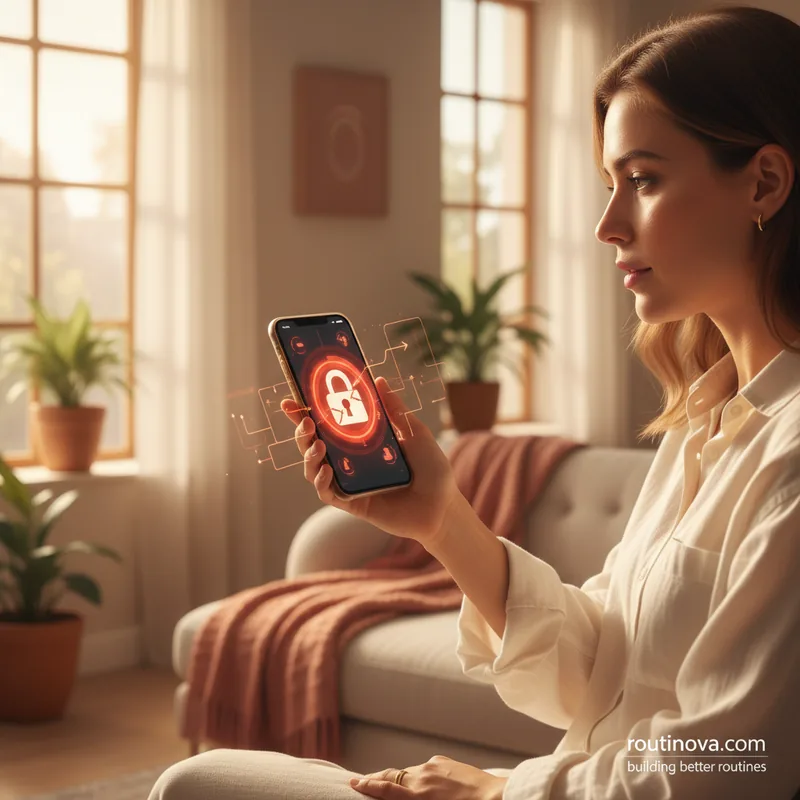
Have you ever clicked a link in an email or text, only to second-guess its legitimacy moments later? That doubt can be a crucial warning. Following a significant service disruption, Verizon promised a $20 credit to millions. However, be aware that scammers are targeting your promised refund with sophisticated phishing schemes. To protect yourself, always navigate directly to the official MyVerizon app or website, and never click links in unsolicited messages (CyberSafe Institute, 2024).
The Phishing Threat Explained
Reports, including from the Jones County Sheriff's Office, confirm fraudulent messages are circulating. These texts and emails, designed to look official, contain links directing you to malicious websites. There, you might be prompted for personal information, account credentials, or even to download malware. Clicking these links can compromise your data, leading to identity theft or financial fraud (Digital Guardian Report, 2023). This isn't the first time scammers are targeting your financial details; similar tactics appear with fake utility bills or bank security alerts.
The deception works because Verizon will send legitimate notifications about your credit, making distinguishing genuine alerts from fraudulent ones challenging. Especially with urgent-sounding messages. However, a key difference is always the destination: legitimate communications direct you to the official MyVerizon app or website, never to an external link within the message.
Safeguard Your Information
In an age where scammers are targeting your trust, vigilance is paramount. Beyond this Verizon scam, consider other common ploys: fraudulent package delivery notifications or urgent bank alerts asking you to "verify" account details via a link. These are all variations where scammers are targeting your impulse to act quickly.
The golden rule for online security: never click on suspicious links in unsolicited communications. Even if a message appears from a trusted brand, exercise caution. Instead, always type the official URL directly into your browser or access the service via its dedicated mobile application. For instance, open the MyVerizon app directly or manually type "verizon.com". Once securely logged in, you can verify any legitimate communications and take necessary actions. Remember, scammers are targeting your personal information, and they can easily spoof websites to look authentic, so direct navigation is your strongest defense (Consumer Protection Agency, 2024).