The quest for effective mental health treatment often leads us down conventional paths, but what if profound healing could be found alongside a majestic, four-legged companion? Equine therapy, a growing field in mental health, harnesses the unique intuition and presence of horses to facilitate emotional and psychological well-being. These magnificent animals offer a non-judgmental space, mirroring human emotions and behaviors, which allows individuals to practice staying present, develop self-awareness, and build crucial life skills in a truly experiential setting. This innovative approach provides a powerful complement to traditional therapy, offering a holistic avenue for personal growth and recovery.
Equine-assisted psychotherapy incorporates horses into the therapeutic process, guiding individuals through activities like grooming, feeding, and leading these animals under the supervision of a trained mental health professional. The primary goal of this form of mental health treatment is to help people develop essential skills such as emotional regulation, self-confidence, and a stronger sense of responsibility. Despite the initial intimidation some might feel when faced with a creature weighing upwards of 900 to 2,000 pounds, equine-assisted therapy is rapidly gaining traction due to its hands-on, experiential nature and emerging evidence of its effectiveness (Harvard, 2024).
This unique form of mental health treatment is known by various names, including equine-assisted mental health, equine-assisted counseling, and equine-facilitated psychotherapy. While “equine-assisted therapy” can sometimes refer to other applications like occupational therapy, its core principle remains consistent: leveraging the powerful human-horse bond for therapeutic benefit. By engaging with horses, clients are often able to process challenging emotions and experiences more readily, fostering a deeper connection with themselves and their surroundings.
1. Understanding Equine Therapy: A Holistic Approach
Equine-assisted psychotherapy stands out as a distinctive and holistic mental health treatment, integrating the profound presence of horses into a structured therapeutic environment. This approach moves beyond traditional talk therapy, inviting clients into an engaging, multi-sensory experience where interactions with horses become a powerful metaphor for life’s challenges and triumphs. Participants engage in various ground-based activities, such as grooming, feeding, and leading the horses, all meticulously supervised by a credentialed mental health professional and often an equine specialist. The physical act of caring for a horse, or simply navigating its presence, demands attention and engagement that can be incredibly grounding.
The core objectives of this innovative mental health treatment include cultivating essential life skills that translate directly into improved daily functioning. Clients often work towards enhancing emotional regulation, learning to manage intense feelings and reactions in a healthy manner. Building self-confidence is another significant outcome, as individuals discover their ability to communicate with and influence a large, powerful animal, fostering a sense of accomplishment and self-efficacy. Furthermore, the inherent responsibilities associated with animal care naturally teach accountability and empathy, qualities crucial for healthy relationships and personal growth. The sheer size and majestic nature of horses can initially be intimidating, yet this very challenge often becomes a catalyst for profound personal breakthroughs.
In today’s evolving landscape of mental health treatment, experiential therapies like equine-assisted psychotherapy are garnering significant attention. Their growing popularity stems from a desire for more engaging and less conventional therapeutic modalities that offer tangible, in-the-moment learning. As we look ahead to 2025, holistic approaches that integrate mind, body, and environment are increasingly valued, making equine therapy a relevant and impactful choice. It offers a unique opportunity for individuals to step outside their comfort zones, confront fears, and discover inner strengths in a supportive, natural setting.
2. The Rich History of Equine-Assisted Interventions
The therapeutic use of horses is far from a modern invention; its roots stretch back to ancient civilizations, highlighting a long-standing recognition of the powerful bond between humans and equines. The revered Greek physician Hippocrates, often celebrated as the “Father of Medicine,” penned observations on the therapeutic benefits of horseback riding, noting its positive effects on both physical and mental well-being. This ancient wisdom underscores an intuitive understanding that interactions with horses could provide a unique form of mental health treatment, long before the term was even coined.
Centuries later, particularly during the mid-20th century, horseback riding began to gain renewed prominence as a rehabilitative and therapeutic tool. The 1950s and 1960s saw a surge in interest, especially for individuals with physical disabilities, leading to the formalization of therapeutic riding programs. This period was pivotal in establishing the foundational practices that would eventually evolve into modern equine-assisted mental health treatment. The structured application of equine activities for specific therapeutic outcomes marked a significant step forward in recognizing the broader potential of these animals.
A landmark moment in the professionalization of equine therapy occurred in 1969 with the formation of the North American Riding for Handicapped Association. This organization later transformed into the Professional Association of Therapeutic Horsemanship (PATH) International, a globally recognized body that sets standards and provides certification for equine-assisted activities and therapies. PATH International’s establishment cemented the commitment to safety, ethical practice, and professional development within the field. The enduring legacy of equine therapy, refined over centuries and professionalized in recent decades, continues to offer profound mental health treatment options today, demonstrating its timeless relevance and evolving efficacy (Harvard, 2024).
3. Who Benefits from Equine Therapy?
Equine-assisted psychotherapy (EAP) is remarkably versatile, making it a valuable mental health treatment option for a diverse range of individuals across various age groups and therapeutic contexts. This unique modality can be effectively utilized with children, teens, and adults, and is adaptable for individual, family, and group counseling sessions. Unlike traditional talk therapy, which often confines individuals to an office setting, EAP encourages interaction in an outdoor, natural environment, engaging all senses and providing a refreshing alternative for processing emotional challenges. It is frequently employed as a complementary therapeutic service, working in conjunction with more conventional forms of mental health treatment to offer a comprehensive and integrated approach to healing.
For children and adolescents, equine-facilitated psychotherapy can be particularly impactful. Young individuals often struggle to articulate their feelings or open up about painful experiences in a traditional setting. The presence of a horse can create a less threatening and more inviting therapeutic environment, making it easier for them to engage and explore their inner world. The majority of young participants in EAP programs typically range from 6 to 18 years old, finding the hands-on nature of the therapy more appealing and less intimidating. For instance, a shy teenager struggling with social anxiety might find it easier to practice assertiveness by guiding a horse through an obstacle course, rather than directly confronting peer dynamics in a group setting.
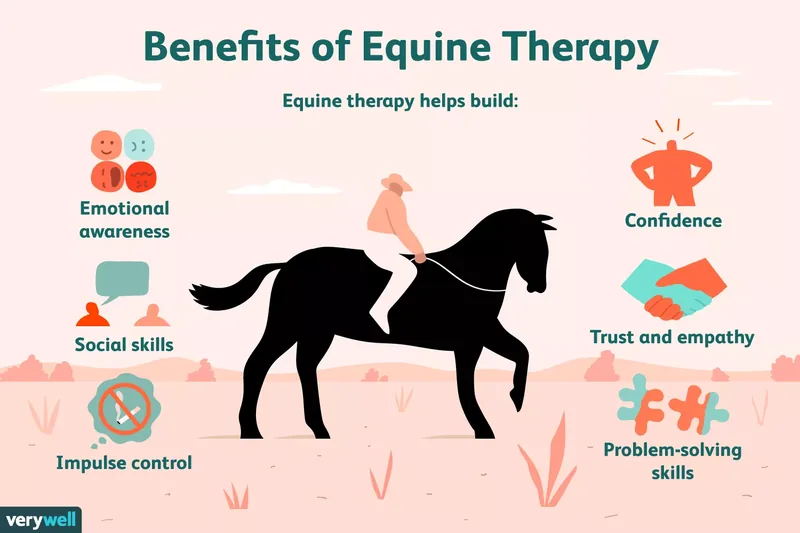
Equine therapy provides a unique platform for youth, and indeed individuals of all ages, to develop a wide array of crucial life skills. These include enhancing assertiveness, building confidence, fostering emotional awareness, and developing empathy. It also aids in improving impulse control, problem-solving abilities, and social skills, alongside cultivating trust in both others and oneself. For example, a child with ADHD learning to groom a horse must focus and follow a sequence of steps, which directly translates to improved attention and adherence to routines outside of therapy. This experiential learning, often more profound than verbal instruction, makes equine therapy a powerful tool in a comprehensive mental health treatment plan (Harvard, 2024).
4. Unique Advantages of Equine-Assisted Mental Health Treatment
While many animals can offer emotional support, horses possess distinct qualities that position them as exceptional partners in the psychotherapeutic process. Their innate sensitivity and keen observational skills provide a unique form of feedback that is invaluable for mental health treatment. Horses are vigilant creatures, highly attuned to movement, body language, and subtle shifts in human emotion. This makes them incredibly responsive to a client’s internal state, often mirroring behaviors or emotions with an unfiltered honesty that can be profoundly clarifying.
One of the most significant advantages horses offer is their non-judgmental and unbiased nature. Unlike human interactions, which can sometimes be perceived through a lens of past experiences or societal expectations, a horse reacts purely to the client’s present behavior and emotional energy. This creates a safe, unthreatening space where clients can practice vulnerability and explore deep emotional hurts without fear of criticism or preconceived notions. This unfiltered feedback fosters a unique sense of understanding and connection, allowing clients to feel truly seen and accepted. For instance, a horse might shy away if a client approaches with aggressive body language, providing immediate, non-verbal feedback on their emotional state without any verbal judgment.
Horses also serve as a powerful reference point for managing vulnerability. When discussing painful experiences or challenging life transitions feels too overwhelming to verbalize directly, clients can often process these emotions by aligning their experiences with the horse’s behavior in the moment. Externalizing content in this way makes difficult topics more approachable and manageable. Beyond these core interactions, equine therapy offers a cascade of additional benefits, including increased adaptability, improved distress tolerance, heightened emotional and social awareness, greater independence, and enhanced self-esteem. The routine care required by horses—feeding, watering, exercising, and grooming—also provides a therapeutic structure, fostering responsibility and building empathy as clients nurture another living being (Harvard, 2024). This hands-on engagement is a vital component of holistic mental health treatment.
5. Addressing Specific Mental Health Conditions with Equine Therapy
Equine therapy has demonstrated promising effectiveness as a complementary mental health treatment for a variety of psychological conditions, offering unique pathways to healing and personal growth. Its experiential nature allows individuals to address deep-seated issues in a manner that often bypasses the limitations of purely verbal therapy, making it particularly beneficial for complex conditions. As the demand for diverse mental health treatment options grows, equine therapy presents a compelling, evidence-backed choice for these complex conditions.
Anxiety
Anxiety disorders impact millions, manifesting as persistent worry, panic attacks, social apprehension, or specific phobias. Many individuals grappling with anxiety often find themselves trapped in rumination about the past or fear of the future. Working with horses during therapy provides a powerful opportunity to cultivate present-moment awareness and focus on the task at hand. Horses, being highly sensitive to their environment, can sense and respond to human anxiety with heightened awareness. Clients struggling with anxiety can often relate to this ability to detect and react to perceived danger cues. Processing their own challenges through a horse’s behavior can be less intimidating than directly confronting their personal experiences with anxiety. Moreover, equine therapy encourages clients to step out of their comfort zones and practice vulnerability in a safe, supported environment, fostering resilience and new coping strategies.
PTSD
Post-traumatic stress disorder (PTSD), characterized by intrusive memories, hyperarousal, and avoidance following a traumatic event, can be debilitating. While commonly associated with veterans, PTSD affects individuals who have experienced various traumas, including accidents, natural disasters, or interpersonal violence. The use of equine-assisted psychotherapy in the mental health treatment of PTSD is rapidly expanding. For example, a survivor of a severe car accident might find it easier to rebuild trust and control by learning to guide a horse, slowly overcoming the sense of helplessness experienced during the trauma. The non-verbal bond with a horse can help individuals who struggle with human connection due to trauma, fostering a sense of safety and belonging. Testimonials from participants, including veterans, often highlight how the unique connection with a horse helps them to form bonds again, translating this newfound trust into other relationships in their lives.
Addiction Treatment
The ongoing challenge of substance use disorders necessitates innovative and effective mental health treatment approaches. Equine-assisted psychotherapy offers a unique angle for addiction recovery and for individuals dealing with co-occurring mental health conditions. A primary goal in addiction treatment is to achieve sustained sobriety and develop healthy, productive lives, often involving significant work on relationship dynamics, trust, and communication. Through interactions with horses, clients can learn to develop trust, practice vulnerability, and communicate effectively in a safe and controlled environment. The horse’s immediate feedback on a client’s emotional state can help them recognize triggers and practice healthier responses, crucial for long-term recovery. For instance, a client learning to lead a horse might realize how their impatience or frustration directly impacts the horse’s willingness to follow, drawing parallels to their own interpersonal relationships.
ADHD
Attention-deficit/hyperactivity disorder (ADHD) often presents challenges with focus, impulse control, and adherence to routines. Equine-assisted psychotherapy can be particularly appealing to both adults and youth with ADHD because it offers an active, engaging, and hands-on experience. The therapy focuses on presence, attention, mindfulness, and understanding social cues—all areas where individuals with ADHD often seek improvement. The structured nature of horse care, combined with the dynamic interaction, helps improve focus and adjustment to routines. A sense of accomplishment, critical for self-esteem, is frequently reported. As one equine specialist noted, clients feel they’ve achieved something independently, like getting a 1,500-pound animal to respond positively because they were able to focus and communicate clearly. This instant, tangible feedback from the horse provides powerful reinforcement for positive behaviors, making it an effective component of a comprehensive mental health treatment plan for ADHD (Harvard, 2024).
6. Finding Qualified Equine-Assisted Therapists
Ensuring the highest standards of care and efficacy in equine-assisted mental health treatment hinges critically on the qualifications and training of the professionals involved. The Equine Assisted Growth and Learning Association (EAGALA) stands as a prominent non-profit organization dedicated to establishing and maintaining these standards within the field. EAGALA offers comprehensive training programs and has developed a specialized certification process for individuals aspiring to become recognized, trained equine-assisted therapy professionals. This certification signifies a commitment to specific methodologies and ethical guidelines, ensuring that clients receive competent and effective therapeutic support.
Beyond EAGALA, several other reputable programs and organizations contribute to the professional development and standardization of equine-assisted activities and therapies. These bodies collectively strive to ensure that practitioners are not only skilled in working with horses but are also adept at applying therapeutic principles in this unique setting. The continuous evolution of these training programs reflects a growing understanding of the complex dynamics involved in human-horse interactions and their therapeutic potential. As we look ahead to 2025, the professionalization of equine therapy continues to strengthen, ensuring higher standards of mental health treatment delivery.
It is crucial to understand that providing any form of psychotherapy, including equine-assisted therapy, requires appropriate state licensure. Individuals seeking to become equine-assisted therapists must first meet the educational and clinical requirements to become a licensed professional counselor, social worker, psychologist, or other mental health professional in their respective state. Equine-assisted therapy is considered a particular style and specialization within the broader field of psychotherapy. Therefore, clinicians pursuing this path must seek and earn specific training and certification related to the practice of EAP, in addition to their core professional licensure. This dual qualification ensures that clients receive both sound psychological guidance and expert facilitation within the equine environment, offering a truly comprehensive mental health treatment approach.
7. Key Considerations Before Starting Equine Therapy
While equine-assisted therapy offers profound benefits, it’s essential to consider several factors to determine if this unique mental health treatment is the right fit for you or a loved one. A thorough assessment ensures that the experience is both safe and therapeutically effective, aligning with individual needs and circumstances. Taking these points into account proactively can lead to a more successful and beneficial therapeutic journey.
Firstly, physical ability and overall health are paramount. If you have pre-existing conditions such as scoliosis, spina bifida, or other back-related health issues, it is imperative to consult with your doctor before engaging in equine therapy. While many EAP activities are ground-based and do not involve riding, any interaction with large animals requires a certain level of physical capability and an understanding of potential risks. Safety is always a primary concern in these programs.
Secondly, the timing of initiating equine-assisted therapy must be carefully considered, depending on the specific challenges the client is facing. For instance, individuals grappling with severe substance use disorders will typically need to complete a detoxification process and establish compliance with a foundational treatment program before equine-assisted therapy services can be appropriately incorporated. EAP often serves as a complementary intervention, best introduced when a client has achieved a baseline of stability, allowing them to fully engage with and benefit from the unique therapeutic environment.
Thirdly, potential fear of horses or other animals is a significant consideration. Although equine-assisted therapy has proven helpful in treating anxiety, some clients may experience apprehension or even a phobia of large animals. This fear, or perhaps a past traumatic memory involving animals, could impede their willingness to participate or fully engage in the treatment. Most reputable programs conduct an initial assessment process to gauge a client’s comfort level and suitability for EAP, ensuring that the environment is supportive rather than distressing.
Finally, cost is a practical consideration. As equine-assisted psychotherapy is a more specialized and relatively newer form of mental health treatment gaining widespread recognition, insurance coverage can vary. Many insurance benefits may not fully cover EAP services, and out-of-pocket fees can differ significantly based on location, program structure, and the qualifications of the therapists involved. It is highly recommended to contact your insurance provider and local equine therapy facilities in advance to discuss financial details and potential coverage options. Understanding these practicalities in 2025 is crucial for a successful mental health treatment journey.
Equine therapy offers a truly unique and powerful pathway to healing, fostering connection, self-awareness, and personal growth through the profound bond with horses. By carefully considering individual needs and consulting with qualified professionals, this innovative mental health treatment can unlock transformative experiences, guiding individuals toward greater emotional well-being and a more fulfilling life.