Imagine a color that whispers of ancient royalty, sparks boundless creativity, and even hints at the mystical. That color is purple. For centuries, it's been more than just a shade; it's a symbol steeped in history and emotion. But beyond its regal associations, how does the color purple truly influence us? The effects of color purple on our mood and behavior are more profound than you might think, tapping into deep psychological and cultural currents.
Purple: A Spectrum of Meaning
From the softest lavender to the deepest violet, purple is a fascinating blend of red's energy and blue's calm. This unique combination often lends it an air of mystery, spirituality, and ambition. Historically, its rarity and the exorbitant cost of its dye meant it was reserved for emperors, queens, and high priests, cementing its status as the color of power and luxury (Schultz, 2021). This deep-seated association with prestige continues to influence our perception today.
The effects of color purple can manifest in various ways, often linked to its cultural symbolism. In many Western cultures, it represents wisdom, dignity, and independence. Think of the Purple Heart medal, an esteemed military honor symbolizing courage and sacrifice (Britannica, n.d.). Conversely, in some traditions, darker shades can evoke feelings of melancholy or introspection.
But what about its impact on our minds? Color psychology suggests that hues can significantly affect our feelings and actions. Purple, with its complex nature, is thought to stimulate creativity and imagination. It's no wonder artists and writers are often drawn to its enchanting aura. It can also foster a sense of calm, making it a popular choice for spaces intended for relaxation and contemplation.
Historical and Cultural Roots
The story of purple is intrinsically tied to its difficult creation. For millennia, the most coveted shade, Tyrian purple, was extracted from the mucus of certain sea snails. Producing just a gram of dye required harvesting thousands of snails, making it astronomically expensive and accessible only to the wealthiest elite (University of Chicago Library, n.d.; Schultz, 2021). This exclusivity forged an unbreakable link between purple and royalty, power, and divine status.
This connection endured through the ages. Consider Queen Elizabeth II's coronation robe, a powerful visual statement of continuity and regal authority (The Royal Household, n.d.). Even today, the color evokes a sense of prestige and grandeur. Within the LGBTQ+ community, purple holds specific meanings, representing non-binary identities on the pride flag and bisexuality through the blending of red and blue.
The rarity that once defined purple's status has evolved into a perception of uniqueness and exoticism. It stands apart, often evoking a strong reaction--people tend to either love it or dislike it, with little in between. This polarizing nature is part of its allure, making it a bold choice in design and personal expression.
The Psychology of Purple in Modern Life
So, how do the effects of color purple play out in our daily lives? Its impact on mood can be subtle yet significant. Exposure to purple has been linked to enhanced feelings of creativity and inspiration. It can help quiet a busy mind, promoting a state of thoughtful reflection, which is invaluable in our often-hectic world.
In a professional context, incorporating elements of purple can foster an environment conducive to innovation. Imagine a design studio using purple accents to spark imaginative thinking or a therapist's office with soft lilac tones to create a calming, safe space for clients to explore their emotions. This is where the subtle power of purple truly shines.
However, it's important to acknowledge that color perception is subjective. While many associate purple with positive attributes like wisdom and creativity, its interpretation can be influenced by personal experiences, cultural background, and even the specific shade itself. A deep, moody plum might evoke different feelings than a cheerful amethyst.
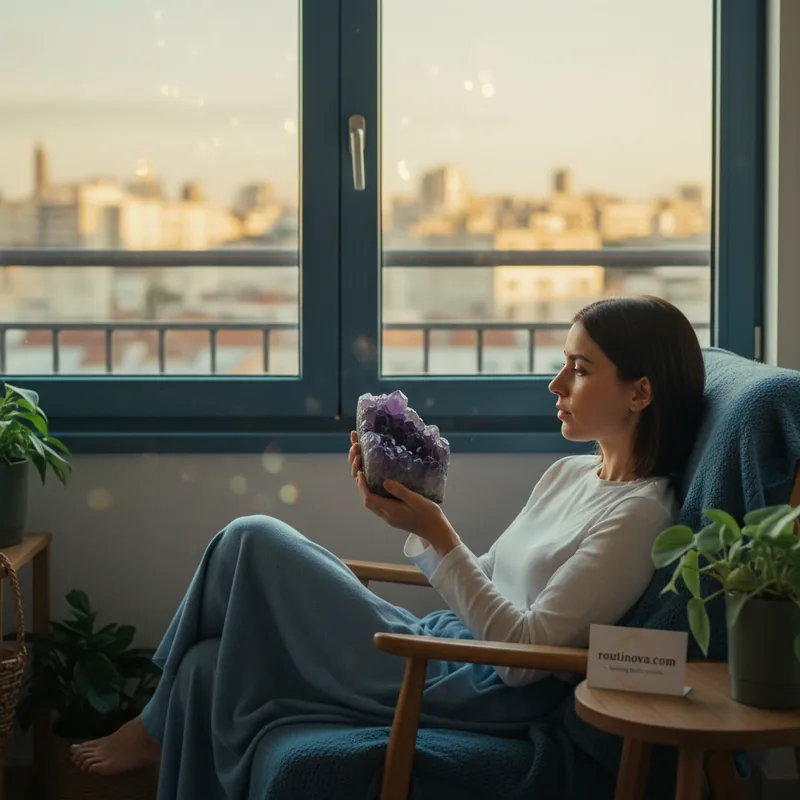
Here's the thing: the effects of color purple aren't universally the same. Your personal associations with the color play a huge role. If purple was the color of your childhood bedroom, it might bring feelings of comfort and nostalgia. If you've always admired amethyst jewelry, it might represent luxury and personal adornment.
Embracing the Power of Purple
Understanding the psychological impact of colors like purple can be a powerful tool for self-awareness and intentional living. Whether you're looking to boost your own creativity, create a more inspiring workspace, or simply understand your emotional responses to different hues, paying attention to color can offer valuable insights.
Consider how you might incorporate purple into your environment. Perhaps a piece of art, a throw pillow, or even a digital background could introduce a touch of its unique energy. Experimenting with different shades might reveal new facets of its influence on your mood and productivity.
Ultimately, the color purple offers a rich tapestry of meaning and psychological influence. Its journey from ancient rarity to modern ubiquity is a testament to its enduring appeal. By understanding its historical weight and psychological effects, you can better appreciate the subtle ways this captivating color shapes our world and our inner experiences (Heller, 2009).