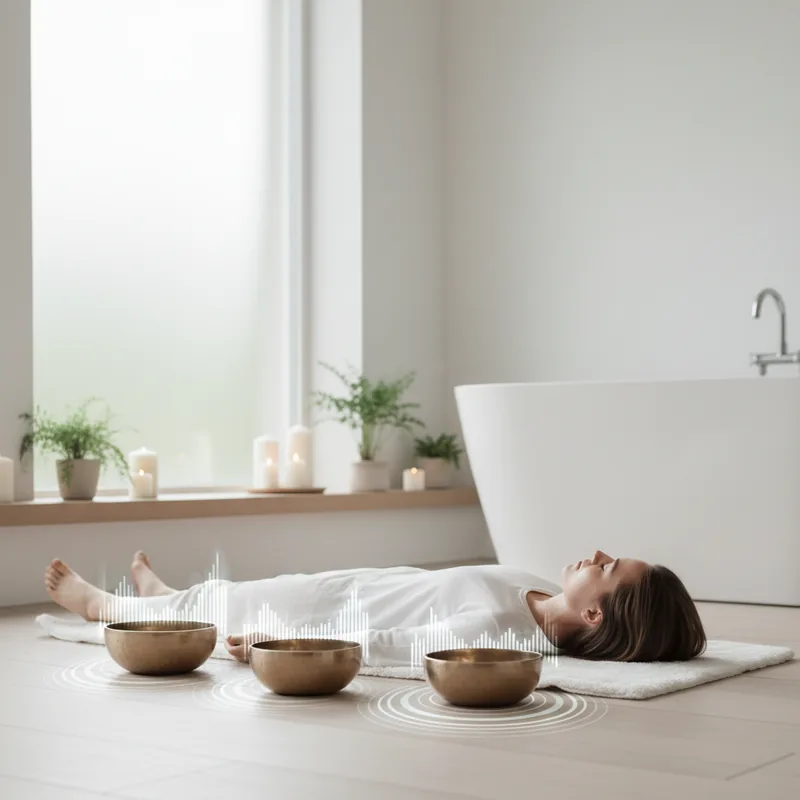
The gentle hum of a Tibetan singing bowl resonates, not just in the air, but deep within your bones. It's a sensation that pulls you away from the frantic pace of daily life, grounding you in a moment of pure, unadulterated calm. For many, this is the gateway to understanding the profound impact sound can have on our well-being. But does this ancient practice, often referred to as sound healing, truly offer the therapeutic benefits it promises?
What Exactly Is Sound Healing?
Imagine stepping into a room, not to be bombarded by noise, but to be enveloped by a symphony of vibrations. This is the essence of a sound healing session, often called a sound bath. It's a deeply immersive experience where you allow the resonant frequencies from various instruments to wash over you, promoting relaxation and a sense of inner peace. Think of it as a full-body listening experience designed to gently guide your mind and body into a state of therapeutic restoration.
Sessions can be tailored for individuals or groups, typically involving lying down on a comfortable mat, often with the aid of pillows or blankets for added coziness. As you settle in, the practitioner, or facilitator, will guide your attention to the sounds produced by an array of instruments. These aren't your typical musical instruments; instead, they are chosen for their unique overtone-rich qualities.
You might encounter the ethereal tones of chimes, the focused vibrations of tuning forks, the deep resonance of gongs (in what's known as a gong bath), the subtle drones of shruti boxes, and the widely recognized sounds of Himalayan and crystal singing bowls. The experience isn't about harmonious melodies; it's about feeling the vibrations. While often deeply relaxing, the emotional journey can be surprisingly potent. It's not uncommon for long-held emotions, memories, or even physical sensations to surface. Tears of release are not only welcome but can be a powerful part of the cathartic process.
After up to an hour of this sonic immersion, you'll be gently guided back to full awareness, encouraged to hydrate and integrate the experience. It's a practice that honors your body's capacity for self-regulation and healing through the simple, yet profound, power of sound.
The Science Behind the Serenity
The impact of sound on our physiology is far more significant than we often realize. From the jarring screech of nails on a chalkboard that makes our muscles tense, to the calming rhythm of ocean waves, sounds directly influence our nervous system. This isn't just anecdotal; research suggests that these sonic vibrations can affect us at a cellular level, influencing our brain waves, nerve responses, and even biochemical processes (Bartel & Mosabbir, 2021).
Sound healing leverages this principle by using specific frequencies to encourage the brain to shift from agitated, beta-wave states associated with stress and alertness, to slower, more relaxed alpha and theta waves. As your brain waves decelerate, your physiological responses follow suit: your heart rate and blood pressure can decrease, stress hormones like cortisol may be reduced, and your body can release mood-boosting endorphins (Goldsby et al., 2017).
Consider the simple act of listening to binaural beats. These are auditory illusions created by playing two slightly different frequencies into each ear, prompting the brain to perceive a third, phantom tone. This process has been shown to entrain brain waves, guiding the listener into states of deep relaxation, enhanced focus, or even sleep, depending on the frequencies used. This scientific underpinning provides a compelling reason why sound healing for self-care is gaining traction.
What Can Sound Healing Do For You?
The applications of sound healing are as diverse as the sounds themselves, offering a holistic approach to well-being. Its potential benefits are being increasingly recognized for a range of conditions and general wellness:
- Anxiety and Stress Reduction: Perhaps the most widely reported benefit, sound baths offer a powerful antidote to the chronic stress of modern life. The deep relaxation induced can significantly calm an overactive nervous system.
- Emotional Well-being: By facilitating the release of pent-up emotions, sound healing can help alleviate symptoms of depression and promote a greater sense of emotional balance.
- Pain Management: Studies have explored the use of sound stimulation, particularly low-frequency sound, in managing chronic pain conditions like fibromyalgia, suggesting a role in modulating pain perception (Naghdi et al., 2015).
- Improved Sleep: The calming effect on the nervous system can make it easier to fall asleep and improve the overall quality of rest.
- Cognitive Function: Some research indicates that practices like Tibetan sound meditation may help improve cognitive function, particularly in individuals experiencing cognitive dysfunction (Milbury et al., 2013).
- Enhanced Self-Awareness: The practice encourages mindfulness, helping you connect with the present moment and gain deeper insight into your own internal landscape.
Ultimately, incorporating sound healing into your routine is a profound act of self-care. It provides a dedicated space to disconnect from external demands, recenter your focus, and nurture your mental and emotional health. It's a chance to simply be, allowing the transformative power of sound to restore and rejuvenate.
The Rise of Sonic Self-Care
The resurgence of interest in sound healing isn't surprising. It taps into a growing global desire for holistic and alternative wellness practices. In a world saturated with quick fixes and often invasive treatments, sound healing stands out as a gentle, non-invasive, and drug-free pathway to better health.
As scientific research continues to illuminate its mechanisms and benefits, the practice sheds its mystical aura and gains credibility. But beyond the science, the sheer experiential quality of a sound bath is its greatest draw. In our often chaotic and demanding lives, finding a sanctuary where you can truly unwind, connect with yourself, and release accumulated tension is invaluable. It's a refreshing and rejuvenating experience that speaks to a fundamental human need for peace and balance.
Think of it this way: when your phone is overloaded with notifications and running slow, you might restart it to clear the cache. Sound healing acts similarly for our minds and bodies, offering a reset button amidst the digital noise and daily pressures. It's a powerful tool for anyone seeking a more integrated and peaceful approach to their well-being.
Navigating Your Sound Healing Journey
To ensure a safe and beneficial experience with sound healing, consider these guidelines:
- Educate Yourself: Explore different types of sound baths and instruments. Understanding what to expect will help you choose a session that aligns with your needs. Many facilitators offer online sessions or pre-recorded programs if in-person attendance isn't feasible.
- Consult Your Doctor: If you have pre-existing health conditions, particularly those involving sound sensitivity, neurological issues, or severe anxiety, it's wise to consult your healthcare provider before attending a session.
- Seek Qualified Practitioners: Look for facilitators with reputable training and experience. Don't hesitate to ask about their background, the techniques they use, and any specific concerns you might have. A good practitioner will be happy to discuss your needs beforehand.
- Prioritize Comfort: Wear loose, comfortable clothing. Bringing your own blanket or cushion can enhance your comfort, especially if they aren't provided.
- Ensure a Safe Space: Trust your intuition. You should feel comfortable with both the practitioner and the environment. Since sound can profoundly affect the nervous system, feeling secure is paramount for allowing yourself to fully relax and benefit from the experience.
Remember, your journey with sound healing is deeply personal. It will be influenced by your current emotional state, past experiences, and individual responses to sound. Each session is unique, offering a fresh opportunity for discovery and healing. Embracing sound healing for self-care is an investment in your holistic health, offering a resonant path toward greater peace and well-being.