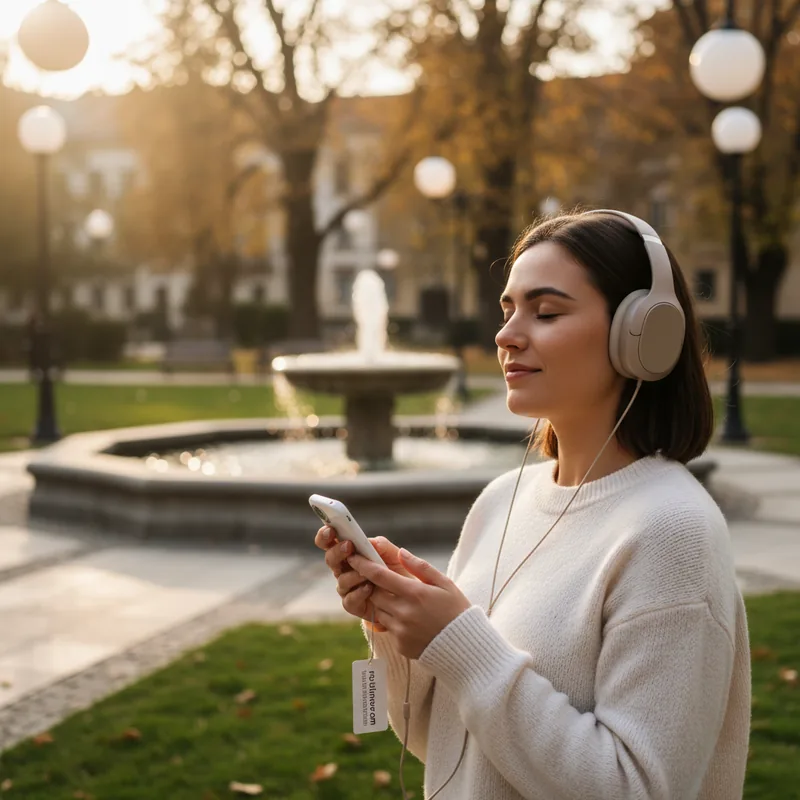
Have you ever found yourself endlessly scrolling through streaming apps, only to feel more disconnected than inspired? In a world constantly vying for your attention, is there a way to simply enjoy your music without the digital noise? The answer might be simpler, and more nostalgic, than you think: the humble MP3 player.
In 2026, the question isn't whether MP3 players are obsolete, but rather, why you need MP3 players more than ever. They offer a powerful antidote to the constant connectivity of smartphones, providing a focused, distraction-free listening experience that enhances both your music enjoyment and your overall productivity. It's about reclaiming your sonic space and rediscovering the pure joy of audio.
The Allure of the Standalone Player
The digital music landscape has shifted dramatically. While smartphones have become our all-in-one devices, they often compromise the dedicated experience of listening to music. Notifications ping, apps beckon, and battery life plummets. This is where the modern MP3 player shines, offering a refreshing return to simplicity and superior audio quality.
Forget the limitations of your phone. Today's MP3 players are far more sophisticated than their predecessors. They boast support for the latest high-fidelity codecs, advanced Bluetooth connectivity, and often include features like FM radio and even built-in speakers--amenities long abandoned by smartphone manufacturers. Plus, the enduring appeal of a standard headphone jack means you can still use your favorite wired headphones without dongles.
The revival of these devices isn't just about features; it's about a conscious choice to disconnect from the digital chaos. Embracing a standalone MP3 player is a statement against the perpetual streaming culture, a deliberate act to curate your personal audio sanctuary.
Modern MP3 Players: Turnkey Solutions
Finding MP3 players is easier than you might think, though they might not be prominently displayed in every electronics store. Online marketplaces are brimming with options, catering to various budgets and needs. Brands like AGPTEK and FiiO are making waves, offering capable devices without the premium price tag often associated with major tech brands.
Consider the AGPTEK A02. This popular model is a testament to what affordable MP3 players can offer. It's lauded for its incredible battery life, often exceeding 70 hours on a single charge. With Bluetooth 5.3, USB-C for charging and data, and expandable storage via microSD, it covers all the modern essentials. Its physical lock switch is a small but welcome feature for preventing accidental track skips during workouts or commutes. This is a prime example of why you need MP3 players for uninterrupted listening.
For those seeking an iPod-like experience without the Apple ecosystem, Innioasis offers compelling alternatives. Their Y1 model, for instance, closely resembles the classic iPod design but incorporates modern conveniences like USB-C and Bluetooth. With a generous 128GB of internal storage and drag-and-drop functionality for music, it's a user-friendly option. Some Innioasis models even include Wi-Fi for downloading streaming playlists or audiobooks, blurring the lines between dedicated players and smart devices, though they remain offline for playback.
The core appeal remains: a device solely dedicated to your audio, free from the distractions that plague smartphones. It's about intentionality.
High-Fidelity for the Discerning Ear
For audiophiles, the pursuit of pristine sound quality is paramount. Modern MP3 players are increasingly equipped with high-end components that elevate the listening experience far beyond what a typical smartphone can deliver. This is a significant part of why you need MP3 players if audio fidelity is your priority.
Sony's NW-A306 Walkman is a prime example of a premium digital audio player. It features Sony's S-Master HX digital amplifier and high-quality capacitors, designed to minimize distortion and noise. These are technologies usually found in high-end home audio systems, now miniaturized for portability. While it runs on Android, it's optimized for music, offering a superb audio output.
On the more enthusiast-focused side, FiiO has become a darling in the audiophile community. The FiiO JM21 (often branded as JadeAudio/FiiO JM21) is a powerhouse, running a Qualcomm Snapdragon chip and featuring dual Cirrus Logic DACs for balanced, high-resolution audio. It offers both standard 3.5mm and balanced 4.4mm headphone jacks, catering to those with high-end studio headphones. This level of audio engineering in a portable device is a compelling reason why you need MP3 players for critical listening.
Choosing between Sony and FiiO often comes down to user experience versus raw power. Sony players offer longer battery life and AI-powered audio upscaling (DSEE Ultimate), though some users report a slightly sluggish interface. FiiO devices, conversely, are praised for their robust performance, superior soundstage, and intuitive interfaces, though they typically have shorter battery life and rely on the quality of your source files without the same level of AI enhancement.
Resurrecting Your Vintage Player
For those who love tinkering, the idea of reviving an old MP3 player can be incredibly rewarding. The world of DIY modifications allows you to breathe new life into beloved legacy devices, combining nostalgia with modern functionality.
iPods, particularly the Classic models, are prime candidates for modification. The original hard drives are often replaced with flash storage via adapters like iFlash, dramatically improving reliability and speed. Modders also install larger batteries, extending playback time to over 100 hours. Kits like the Classic Connect 2 can even add Bluetooth and USB-C charging, transforming an old iPod into a surprisingly modern device. For those with working vintage iPods, installing open-source firmware like Rockbox opens up a world of possibilities, including support for lossless FLAC files and custom themes.
Microsoft's Zune also has a dedicated modding community. The Zune 30, with its spacious internal design, is a popular choice for upgrades. Replacing the hard drive with an SSD and fitting a larger battery are common modifications. Even wireless charging has been retrofitted onto these devices.
Beyond the mainstream, enthusiasts are even reviving older Sony Walkman models. For example, the NW-HD5 can be updated with flash storage and higher-capacity batteries. The fact that Rockbox firmware also supports these older Sony players underscores the vibrant community around digital audio preservation.
This DIY approach is perfect for the hobbyist who appreciates the tactile feel and unique design of older gadgets. It's a fantastic way to engage with your music library and understand the technology on a deeper level. It highlights why you need MP3 players, even if it's an older one you've personally upgraded.
The Case for Focused Listening
In an era saturated with digital distractions, the standalone MP3 player offers a powerful counter-narrative. It's not just about listening to music; it's about the intentionality of the experience. Whether you opt for a brand-new, feature-rich device, a high-end audiophile player, or a lovingly restored vintage unit, the benefits are clear.
You gain a dedicated space for your audio, free from the incessant demands of notifications and other apps. You can achieve longer battery life for extended listening sessions. And for many, you reclaim a sense of control over your digital consumption. So, before you dismiss the MP3 player as a relic of the past, consider what you might gain by bringing one back into your life in 2026.