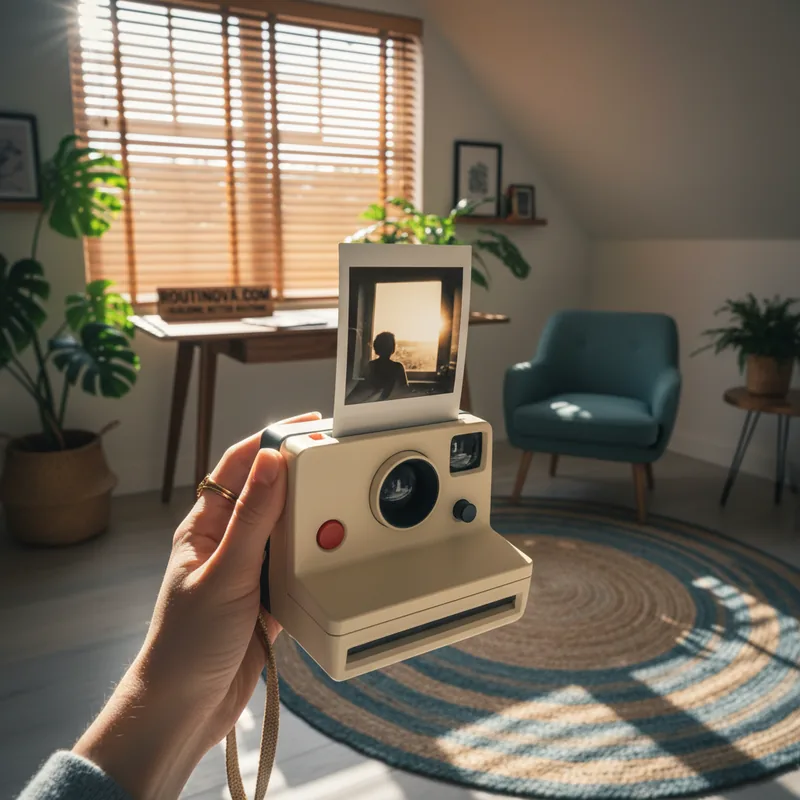
The soft click of the shutter, the whirring sound as the photo slowly emerged, the tangible square you held in your hands--it's a sensory experience that smartphones, for all their power, just can't replicate. For years, digital convenience reigned supreme, making us forget the unique charm of older photographic methods. But lately, something has shifted. A generation raised on instant digital gratification is now actively seeking out the imperfections, the grain, and the deliberate process of 'retro' photography. Why is this happening?
The Allure of Yesteryear's Images
When we talk about 'retro' photography, the focus is often on the distinct visual fingerprints left by cameras from the 80s and 90s. Think of the characteristic grain in old film stock, initially an unavoidable artifact of the chemical process. As filmmakers and photographers gained more control, this grain transformed from a technical limitation into a deliberate stylistic choice, imbuing images with a certain energy or a sense of history (Nerdwriter, 2022). This principle extends to all camera technology; each era has its own aesthetic signature.
Consider the ubiquitous 90s point-and-shoot cameras. Their low-light performance was notoriously poor, often forcing the use of harsh, direct flash. Today, that unforgiving illumination is no longer a necessity, but it can be wielded as a powerful stylistic tool to create a specific, often dramatic, look. The very flaws of past technology become the deliberate aesthetic choices of the present.
Beyond the visual, there's a profound difference in the tangibility and deliberateness that film and instant cameras offer. In an age where we endlessly scroll through digital galleries, often forgetting half the photos we take, a physical print demands more attention. When you only had a limited number of exposures on a roll, each shot counted. This forced a more mindful approach: ensuring everyone was in frame, eyes open, and the moment was truly captured. This conscious effort is precisely why 'retro' photography is appealing to many.
And then there's the instant gratification of an instant camera, like a Polaroid. There's an undeniable magic in watching an image slowly develop in your hands, creating an immediate keepsake. These tangible mementos often find a place on refrigerators or in scrapbooks, unlike the countless digital photos languishing on our phones, rarely revisited.
Furthermore, the rise of AI in modern smartphone photography, while impressive, can sometimes lead to an overly smoothed, homogenized look. It's a subtle digital processing that aims for broad appeal but can strip away unique character. Engaging with retro photography offers a refreshing escape from this, allowing for authentic, unadulterated images.
Exploring the World of Vintage Gear
If you're intrigued by the idea of adding a nostalgic flair to your photos, the good news is you have a vast history of camera technology to explore. The used market is your best friend here, offering incredible tools at accessible prices. You don't need to break the bank to experiment.
Here are a few categories of dedicated cameras that are perfect for diving into retro photography:
- Instant Cameras: While Polaroid is synonymous with instant photography, remember its complex history. Today, brands like Fujifilm (with its Instax line), Kodak, and Lomography offer a range of instant cameras that produce physical prints on demand. They're fun, immediate, and create fantastic keepsakes.
- Classic Digital Point-and-Shoots: These cameras, popular in the late 90s and early 2000s, offer a distinct digital aesthetic. What were once considered flaws--like digital noise or specific lens characteristics--can now be desirable creative elements. You can often find these gems for very little money online.
- Ancient Smartphones: Believe it or not, the earliest smartphones from the late 2000s can provide an authentic 'aughts' era look. Lacking the sophisticated AI processing of today's devices, their cameras produced images with a unique, unpolished charm. For under $50, you can snag one of these devices and capture genuinely vintage-feeling photos.
When hunting for gear, pay attention to the specific characteristics of the images each camera produces. Understanding these unique traits is key to using them creatively to tell your story. This exploration is why 'retro' photography is experiencing such a vibrant comeback.
Getting Started: Your Retro Photo Journey
Finding vintage camera gear might seem daunting, but the hunt itself can be part of the fun. While online marketplaces are vast, don't underestimate the value of local resources and community.
Here are some tips to kickstart your search:
- Local Camera and Thrift Stores: These hidden gems often have a treasure trove of used equipment. Building a relationship with a local shop can give you early access to unique finds and even opportunities to test gear before buying.
- Specialty Online Retailers: Beyond general auction sites, explore dedicated used camera gear websites. These platforms often curate better selections and provide more detailed descriptions of used equipment. Sorting by price can reveal surprisingly affordable options.
- Photography Communities: Connect with local photography clubs or online forums. Fellow enthusiasts are often willing to share knowledge, tips, and sometimes even lend out their equipment. This collaborative approach makes exploring different aesthetics much more accessible.
Even if you don't immediately invest in new gear, take time to study photos from past eras. Pull out old family albums, watch films from your childhood, and observe the visual language. Notice the color saturation, the texture, the framing. Understanding these details is crucial for appreciating why 'retro' photography is so compelling.
This deeper dive into visual history not only enriches your appreciation for photography but also sharpens your eye for contemporary media, ultimately making you a more expressive visual artist. The journey into retro photography is as much about looking back as it is about seeing forward.