Being married to a narcissist can be an incredibly draining and confusing experience, often leaving you feeling isolated and questioning your own reality. If you’re married to a narcissist, you’ll likely recognize a consistent pattern of self-centeredness, emotional manipulation, and a profound lack of empathy from your partner. Identifying these behaviors early is crucial for your mental and emotional well-being. This comprehensive guide will help you spot the tell-tale signs and empower you to take necessary steps towards a healthier future.
- Understand the core principles of You Married Narcissist
- Apply practical strategies from Ultimate Guide: 17 Signs You're Married to a Narcissist
- Practice consistently for optimal results
- Track your progress and adjust as needed
- Integrate insights into daily routines
Understanding the dynamics of a narcissistic marriage is vital because these relationships can erode your self-worth and mental health over time. Narcissistic behaviors aren’t always obvious at first, often masked by charm and grand gestures. However, as the relationship progresses, a pattern of control, criticism, and emotional neglect typically emerges. Recognizing these patterns empowers you to set boundaries, seek support, and protect your emotional health, whether you choose to stay or leave.
Understanding Narcissistic Marriage Dynamics
A narcissistic marriage is characterized by one partner consistently prioritizing their own needs, exhibiting a profound lack of empathy, and employing manipulation and control to achieve their desires. These relationships often become one-sided, where one person constantly gives and the other primarily takes. The narcissistic partner struggles with empathy, compromise, and accountability, making genuine trust and emotional intimacy nearly impossible.
The “Diagnostic and Statistical Manual of Mental Disorders, Fifth Edition” (DSM-5) defines narcissism as a pervasive pattern of grandiosity, a constant need for admiration, and a significant lack of empathy. At least five of these criteria typically need to be present for a diagnosis: a grandiose sense of self-importance, preoccupation with fantasies of unlimited success, a belief in their own special uniqueness, a need for excessive admiration (often referred to as ‘narcissistic supply’), a strong sense of entitlement, exploitative behavior in relationships, a distinct lack of empathy, envy of others or a belief that others envy them, and a consistent demonstration of arrogant, haughty behaviors or attitudes. These traits significantly impact marriages, leading to unbalanced dynamics where the non-narcissistic partner often feels neglected, confused, and emotionally exhausted. If you’re married to a narcissist, understanding these core characteristics is the first step toward recognizing the truth of your situation.
Emotional Disconnect and Manipulation Tactics
In a relationship with a narcissistic partner, true emotional connection is often conspicuously absent, replaced by various forms of manipulation. This section explores several signs indicating a profound emotional disconnect and the manipulative tactics commonly employed.
1. You Don’t Feel Connected
Despite sharing a life, you might feel a deep void in emotional intimacy. Your partner may initiate conversations only when it suits their agenda, rarely showing genuine interest in your aspirations or feelings. They frequently boast about their achievements, seldom inquiring about your life, passions, or struggles. Their happiness seems to stem from external validation—like professional prestige or material wealth—leaving you to wonder if they are truly capable of experiencing romantic love or deep emotional bonds. This lack of reciprocal interest is a hallmark sign that you’re married to a narcissist.
2. You Feel Manipulated
Subtle threats often permeate the relationship, creating an underlying sense of coercion. While not always direct, there’s an unspoken understanding that negative consequences will follow if you don’t comply with their wishes. Over time, it often becomes easier to simply agree with them, even if it goes against your own desires or principles. This insidious control slowly erodes your autonomy, making you forget what genuine freedom felt like before the manipulation began. For example, your partner might hint at making your life difficult or withdrawing affection if you don’t agree to their holiday plans, even if it disrupts your own family commitments.
4. You’re Constantly Being Gaslighted
Gaslighting is a manipulative tactic where someone consistently denies facts you know to be true, making you question your sanity and perception of reality. This is a common strategy used by narcissists in controlling relationships. Your spouse might say, “You just don’t remember right,” about an event you vividly recall, or twist past occurrences to fit their narrative, blaming you for things they did. This constant denial can make you second-guess yourself, leading to immense confusion and self-doubt. When this happens, it can be incredibly disorienting, especially if your partner maintains a charming facade in front of others, making it difficult for friends and family to understand the abuse happening behind closed doors.
5. You Avoid Conversations
It often feels like every discussion with your partner escalates into an argument, regardless of how calmly you try to approach it. The narcissist frequently tries to provoke a reaction, as controlling others’ emotions provides them with a sense of power and satisfaction. Consequently, you might find yourself avoiding conversations entirely, preferring silence over dealing with the exhausting mind games and emotional turmoil that inevitably follow. This avoidance can lead to a breakdown in communication, further isolating you within the marriage.
13. You Feel Unloved
Initially, you might have been showered with affection and praise—a phase known as “love bombing”—making you feel like the most incredible person in the world. However, once you were truly committed, especially if you’re married to a narcissist, this intense adoration often vanishes. Your partner begins to devalue and ignore you, highlighting a stark contrast from the beginning of the relationship. This shift from idealization to devaluation is a critical red flag, revealing that their initial charm was a facade designed to hook you, rather than genuine affection.
14. You Get the Silent Treatment
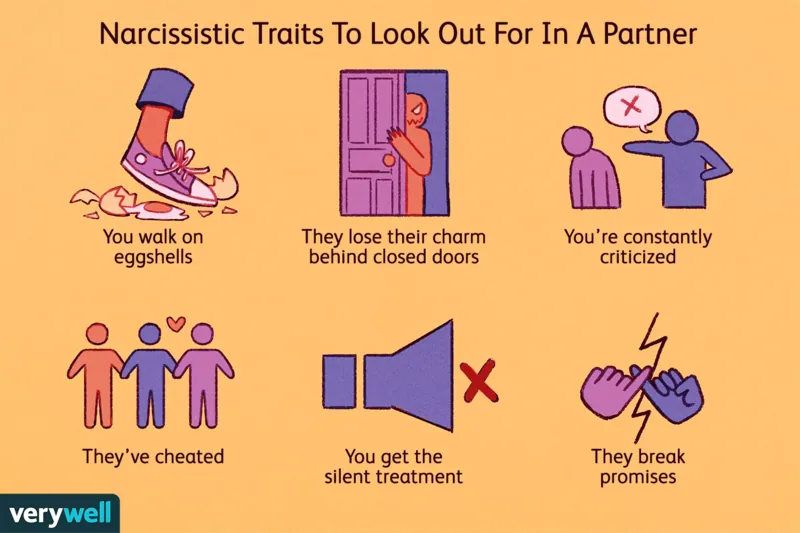
The silent treatment is a potent power play used by narcissists to control you. They will deliberately withhold affection, communication, and even acknowledge your presence, sometimes for extended periods, until they decide to “be nice” again. This isn’t just a temporary cooling-off period; it’s a calculated act of punishment. Their attentiveness or affection becomes conditional, offered only when it benefits them or helps them get what they want. It’s crucial to understand that such behavior is a form of emotional abuse and has no place in a healthy, respectful relationship.
The Impact of Constant Criticism and Blame
Living with a narcissistic partner often means enduring a relentless barrage of criticism and an inability for them to take any personal responsibility. This section details how these behaviors can systematically erode your self-esteem and distort your perception of reality.
3. You Don’t Feel Good Enough
Despite your accomplishments and innate worth, you often feel inadequate. Your partner frequently criticizes you or makes derogatory comments about your appearance, choices, or actions. This constant chipping away at your self-esteem can lead you to abandon hobbies and passions you once enjoyed, feeling you no longer have the time or energy for them. You might find yourself perpetually tired and struggling to find motivation, even for simple daily tasks. Furthermore, you may start hiding aspects of your life from friends and family, or even lying to cover for your partner’s behaviors, out of shame or fear.
6. You Feel Responsible for Everything
A defining characteristic of narcissism is the belief that nothing is ever their fault; blame is always externalized. Consequently, you will rarely receive an apology from a narcissistic person. They view others as inferior, making the concept of apologizing out of the question. Your narcissistic partner will consistently deflect responsibility for their actions, invariably blaming you for any problems or shortcomings. This leaves you feeling perpetually inadequate, as if everything bad that happens in their life is somehow your fault, regardless of the actual circumstances. For instance, if they lose their job, they might blame you for not being supportive enough, rather than acknowledging their own performance issues.
9. You Feel Criticized Constantly
Your partner is excessively critical, often focusing on your physical appearance—your weight, clothing, or hairstyle. They might mock you or put you down, sometimes publicly, sometimes privately. This critical gaze extends beyond you to others they perceive as “lesser,” such as those they deem less attractive or wealthy. In essence, they are highly critical of almost everyone, using judgment and scorn as a way to elevate their own perceived status. This constant negativity creates an environment where you feel perpetually judged and never quite good enough, impacting your confidence and sense of security.
Neglected Needs and Controlling Behaviors
A core aspect of being married to a narcissist involves your needs being consistently ignored, while your partner employs controlling tactics to maintain dominance within the relationship. This dynamic leaves you feeling unseen and unsupported.
7. You’re Walking on Eggshells
Living with a narcissistic partner often feels like navigating a minefield, constantly on edge because you never know when they might erupt into a rage or enter one of their unpredictable moods. The pattern is often cyclical: things seem calm, then a minor trigger—perhaps someone at work receiving recognition they feel they deserved—sends them into a fit of narcissistic rage. This emotional unpredictability forces you to base all your decisions on how to keep your partner happy, rather than on your own desires or needs. You likely feel you’ve lost yourself, as your identity and choices become entirely dictated by their moods and demands.
10. Your Needs Are Ignored
Your partner’s focus is almost exclusively on their own needs and how situations impact them, with little to no consideration for you or anyone else, including children. They will only engage in activities or make decisions that directly benefit themselves or enhance their image. For example, they might demand intimacy only when they desire it, expecting you to cater to their needs without reciprocity. They may take credit for your hard work, get upset when others treat their family better than yours, or even favor certain children in the family if they believe that child makes them look better. This relentless self-focus ensures your needs remain unmet.
15. You’re Stuck Financially
Narcissists are often adept at exploiting their spouses financially. You might find yourself bearing the brunt of all household expenses while your partner struggles to maintain employment, or conversely, they might earn a substantial income but refuse to give you access to it. This financial control can leave you feeling trapped and dependent, unable to make independent decisions or secure your own future. If your partner is spending lavishly on themselves without any consideration for shared financial goals or your needs, it’s a strong indicator of financial abuse and control. This financial manipulation can be one of the most challenging aspects if you’re married to a narcissist, severely limiting your options. (Harvard, 2024)
16. You Can’t Rely on Your Partner
Promises from a narcissistic partner often prove unreliable. They are notorious for making grand commitments only to break them when it becomes inconvenient or no longer serves their self-interest. This consistent pattern of unreliability means you cannot depend on them for support, consistency, or follow-through. You frequently find yourself having to manage everything independently, from household responsibilities to emotional support, fostering a deep sense of isolation and a profound lack of partnership within the marriage. This inability to rely on your spouse can be profoundly disheartening and exhausting.
External Facades and Relationship Betrayal
Narcissistic individuals often present a charming exterior to the world, skillfully concealing their true nature. This section reveals how this facade can hide infidelity and create conflict within your family relationships.
8. You See Through the Charm
To the outside world, your partner appears charming, confident, and highly accomplished. They possess a remarkable ability to say all the right things, making people adore them. However, the moment you are alone, their true colors emerge. The switch flips, and you are confronted with a completely different person—demanding, critical, and self-absorbed—a stark contrast to the magnetic individual everyone else sees. This dual personality can be incredibly disorienting, making you feel isolated in your understanding of who your partner truly is.
11. Your Family Is Warning You (or Is Oblivious)
Your family members might express discomfort or concern about how your partner treats you, having observed subtle signs of disrespect or control. Conversely, your family might be completely unaware of any issues, having been charmed and manipulated by your partner’s carefully constructed public persona. In this scenario, your partner may have even fed them lies about you, creating division. Either way, your partner’s behavior becomes a significant source of contention and strain within your broader family relationships, causing you to feel caught in the middle or isolated from your support system.
12. You’ve Been Cheated On
A narcissist is often a master flirt, and infidelity can be a recurring issue in the relationship. Their charm and manipulative skills make it easy for them to sweep others off their feet. You may find yourself constantly questioning your partner’s faithfulness due to their flirtatious nature or past betrayals. Given their patterns, a narcissist who has cheated multiple times is highly likely to repeat the behavior, seeing nothing wrong with it and feeling entitled to pursue their desires regardless of the impact on you. This repeated betrayal can shatter trust and leave you feeling deeply insecure and wounded.
When Change Seems Impossible
The ultimate sign you’re married to a narcissist is their staunch refusal to acknowledge any personal fault or to genuinely change their behavior. This section highlights the futility of expecting transformation from a narcissistic partner.
17. You’ve Asked, They Won’t Change
One of the most disheartening realities of being in a relationship with a narcissist is their unwillingness to change. For them, admitting fault or acknowledging a problem within themselves is anathema, as it would challenge their grandiose self-image. Some narcissists might even proudly admit to being a narcissist, yet simultaneously assert that everyone else is the problem. This steadfast refusal to introspect or modify their behavior creates an insurmountable barrier to resolving conflicts or fostering a healthier relationship. If your partner consistently dismisses your concerns and shows no genuine desire to alter their detrimental actions, it’s a clear indication that you’re in a relationship with someone unwilling to evolve.
Taking Action and Setting Boundaries
Being married to a narcissist can have profound and lasting negative effects on your mental and emotional health. Recognizing these signs is the crucial first step. If your partner is emotionally abusive and unwilling to change their behavior, it is imperative to reconsider the future of the relationship. Should you decide to leave, ensure you have a robust support system in place beforehand, including trusted friends, family, or a therapist, to confide in and lean on during this challenging transition.
If you choose to remain in the relationship, strategic approaches are necessary to protect your well-being. Seek therapy or outside support for yourself; a therapist specializing in narcissistic abuse can provide invaluable guidance and coping strategies. Establish and rigorously maintain firm boundaries, as narcissists often test and disregard them. Keep detailed records of conversations and significant events to counteract gaslighting and maintain your sense of reality. Strive to remain calm and assertive in interactions, avoiding emotional reactions that a narcissist might exploit. At work or in social settings, resist the urge to gossip, even though you might desperately need to vent; instead, confide in your trusted support network. Finally, educate yourself extensively about narcissism to better recognize their tactics and manipulative patterns, empowering you to respond more effectively and protect your emotional space.
Common Pitfalls to Avoid
Navigating a relationship with a narcissistic spouse is fraught with challenges, and certain common pitfalls can further complicate your situation. Being aware of these can help you better protect yourself. Firstly, avoid trying to “fix” or “change” your narcissistic partner. This often leads to deep frustration and disappointment, as narcissists rarely acknowledge a need for personal growth. Their self-perception is often too rigid to accommodate such introspection. Secondly, do not engage in arguments or debates, especially when your partner is gaslighting you. Trying to reason with them or prove your point will likely escalate the conflict and leave you feeling more drained and confused. Instead, disengage or calmly state your truth without expecting validation.
Another common mistake is isolating yourself from your support network. Narcissists often try to cut you off from friends and family, making you more dependent on them. Actively resist this by nurturing your external relationships and confiding in trusted individuals. Furthermore, avoid blaming yourself for their behaviors. Narcissists are masters of projection, and it’s easy to internalize their criticisms and blame. Remember that their actions stem from their own pathology, not from any inherent flaw in you. Lastly, do not neglect your own self-care. The emotional toll of being married to a narcissist is immense. Prioritize your mental, emotional, and physical health, whether through therapy, hobbies, or simply setting aside time for rest and rejuvenation. Your well-being is paramount.