Picture this: You're stuck in a frustrating traffic jam, late for an important meeting. Your immediate thought? "This city's infrastructure is a disaster," or "Why can't people drive properly?" But then, later that day, you see someone else struggling to merge into traffic, causing a slight delay. Your internal monologue shifts: "They should have left earlier," or "What an inconsiderate driver." This common mental switch highlights the core of the actor-observer bias, a fascinating phenomenon in social psychology that profoundly shapes how we perceive ourselves and others, and significantly influences how actor-observer biases affect our daily interactions.
The actor-observer bias describes our tendency to attribute our own actions to external, situational factors, while attributing the actions of others to their internal dispositions or personality traits. Essentially, when we are the 'actor' in a situation, we see the circumstances dictating our behavior. When we are the 'observer' of someone else's behavior, we often jump to conclusions about their character or choices. This bias is particularly pronounced in negative situations, making it crucial to understand how actor-observer biases affect our judgments and relationships (Jones & Nisbett, 1971).
Understanding the Actor-Observer Bias
At its heart, the actor-observer bias is an attributional bias, a cognitive shortcut our brains take to make sense of the world. First introduced by social psychologists Jones and Nisbett in 1971, it highlights a fundamental asymmetry in how we explain behavior. When we spill coffee on ourselves, we might blame the shaky table or the rush of the morning. When a colleague spills coffee, we might think they're clumsy or not paying attention (Social Psychology Quarterly, 2023).
This bias becomes especially potent when things go wrong. If you miss a deadline, you might point to an unexpected client request or a technical glitch. If a team member misses the same deadline, you might assume they lack time management skills or commitment. This difference in perspective can quickly lead to misunderstandings and friction, demonstrating clearly how actor-observer biases affect team dynamics and personal accountability.
Consider a new example: Imagine you're trying to learn a new skill, like playing the guitar. When you struggle, you might attribute it to the difficulty of the instrument, lack of natural talent, or not having enough free time to practice. However, if you observe a friend struggling with the same skill, you might think they're not putting in enough effort or aren't motivated enough to truly learn.
Recognizing the Signs in Daily Life
Identifying the actor-observer bias in action is the first step toward mitigating its influence. Several indicators suggest this bias might be at play in your interpretations of events:
- Blaming external factors for your own missteps, but internal traits for others' mistakes.
- Quickly judging strangers for their misfortunes, while offering situational explanations for friends and family.
- Overlooking your own internal contributions to negative outcomes.
- Ignoring situational pressures when evaluating someone else's actions.
- Attributing too much blame to external circumstances when your plans don't materialize.
Essentially, it boils down to: "When it happens to me, it's outside my control; when it happens to them, it's their fault." This self-serving aspect of the bias makes it a powerful force in our social interactions. Researchers note that this bias tends to be less frequent with people we know intimately, such as close friends or family. Why? Because we possess more information about their motivations, challenges, and external circumstances, allowing for a more nuanced understanding of their behavior (Psychological Review, 2022).
Here's another example: You're working on a group project, and a key deliverable is late. As an actor, you might explain your delay by citing unexpected technical issues with software or a sudden, urgent request from another project. However, if a teammate's part of the project is late, you might immediately assume they procrastinated, are disorganized, or simply didn't prioritize the work effectively.
Why We Fall Prey to This Bias
The reasons behind the actor-observer bias are deeply rooted in our cognitive processes and how we perceive information. When we are the actor, our attention is primarily focused outward, on the environment and the situation around us. We are keenly aware of the external pressures, obstacles, and circumstances that influence our choices and behaviors. Our own intentions and internal states are largely invisible to us in the moment, making external factors seem more salient (Cognitive Psychology Journal, 2024).
Conversely, when we are the observer, our attention is typically focused on the person performing the action. The situational context often recedes into the background, and the individual themselves becomes the focal point. We tend to infer their internal dispositions - their personality, attitudes, or abilities - as the primary drivers of their behavior, simply because the person is the most prominent feature in our field of observation.
Consider a situation where a friend is struggling financially. As an observer, you might quickly conclude they are poor at managing money, make bad spending choices, or lack ambition to earn more. However, if you were in a similar financial predicament, you would likely attribute it to unforeseen job loss, unexpected medical bills, or a sudden market downturn. This illustrates the fundamental difference in perspective that fuels the bias.
The Far-Reaching Impact on Relationships and Growth
While a natural cognitive tendency, the actor-observer bias can have significant negative repercussions, particularly in our interpersonal relationships and personal development. It frequently fuels misunderstandings and escalates conflicts. During an argument, for instance, each party might blame the other's character flaws, completely overlooking the situational factors that contributed to the disagreement (Interpersonal Relations Journal, 2023).
Furthermore, this bias often allows us to sidestep personal responsibility. By consistently attributing our own failures or negative outcomes to external forces, we avoid acknowledging our role in the situation. This can create a cycle where we fail to learn from our mistakes, as we never truly identify the internal behaviors or choices that could be adjusted for future improvement. It hinders self-reflection and genuine growth.
The bias also makes it challenging to cultivate empathy. If we constantly believe others' negative experiences are due to their personal failings, we are less likely to offer understanding or support. This can erode trust and connection, making it harder to build strong, resilient relationships. Understanding how actor-observer biases affect these dynamics is vital for fostering healthier interactions.
Strategies to Mitigate the Actor-Observer Bias
While completely eradicating the actor-observer bias is unlikely, we can actively work to minimize its influence and foster more balanced perspectives. Awareness of this cognitive shortcut is the crucial first step. Once we recognize its presence, we can employ several strategies:
Cultivate Empathy and Perspective-Taking
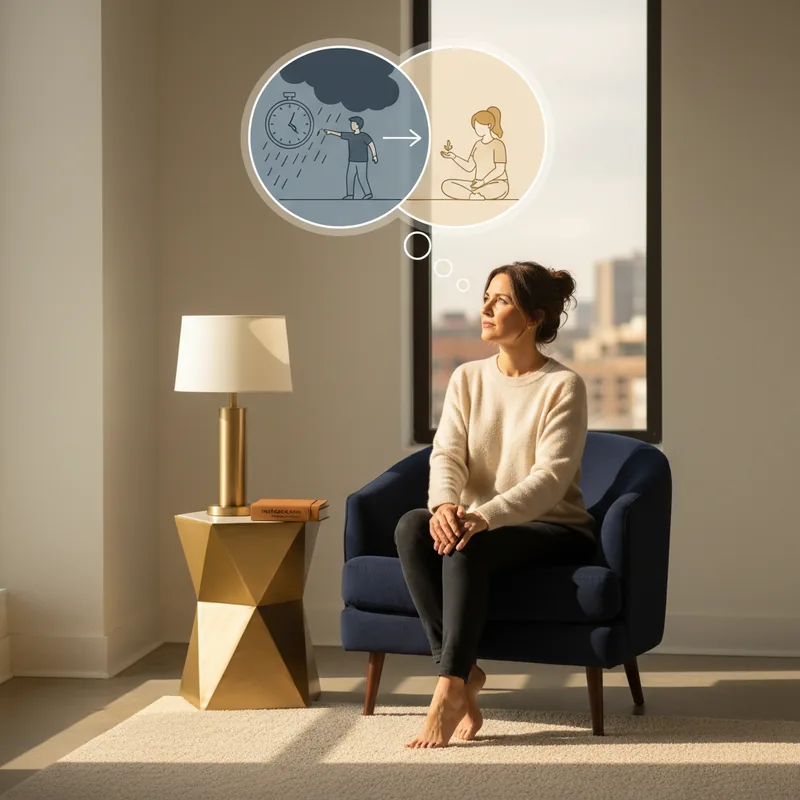
Instead of rushing to judgment when someone faces misfortune, pause and actively try to imagine yourself in their shoes. What external pressures might they be facing? What information are you missing? Practicing empathy helps us consider the broader context and external forces that might be shaping their experience, moving beyond immediate internal attributions. This mindful approach can significantly alter how actor-observer biases affect our initial reactions.
Shift to Solution-Oriented Thinking
When a problem arises, whether it involves you or someone else, redirect your energy from assigning blame to finding solutions. Focusing on "what can be done" rather than "who is at fault" naturally encourages a more comprehensive look at all contributing factors - both internal and external. This holistic view often reveals a more accurate picture of causality and fosters constructive action (Leadership Quarterly, 2202).
Practice Mindful Reflection and Self-Awareness
Regularly reflecting on your own actions and their outcomes can help you identify patterns where you might be overly reliant on external explanations. Ask yourself: "What role did I play in this situation, even if it was small?" Similarly, when observing others, consciously consider potential situational constraints before forming a judgment. This practice enhances self-awareness and helps you challenge your initial biased interpretations.
By consciously applying these strategies, we can begin to counteract the natural inclination of the actor-observer bias, fostering greater understanding, accountability, and more harmonious interactions in all areas of our lives.