If you've been eyeing a new computer build or simply hoping for cheaper electronics, brace yourself. The dream of falling RAM prices is likely on hold for years, potentially until 2027 or even later. Recent reports indicate a persistent global shortage of memory chips, meaning the cost of this crucial component isn't expected to drop anytime soon. Here's why RAM prices are stubbornly high and what it means for your tech budget.
The Unfolding Memory Crisis
The core of the issue lies in a complex global supply chain struggling to meet demand. Major memory chip suppliers, including U.S. and South Korean giants, are increasing DRAM production. However, even with these efforts, they are projected to meet only about 60% of the world's needs (Nikkei Asia, 2024). This gap is exacerbated by rising costs for electricity and raw materials, partly due to ongoing conflicts in the Middle East.
Even industry titans like Samsung face production bottlenecks. While the company is launching a fourth RAM plant this year, it won't reach full-scale production until at least 2027. Adding to the complexity, this new plant must also produce logic chips essential for computing, diverting resources from memory chip output.
Samsung's planned fifth plant, designated for advanced High-Bandwidth Memory (HBM) used in AI semiconductors, won't be operational until 2028 or later. While HBM is crucial for AI, its specialized nature means it doesn't directly alleviate the shortage of more general-purpose RAM. In fact, prices for the first quarter of this year already saw a staggering 90% increase.
There's a glimmer of hope from SK Hynix, the second-largest memory chip producer. They are already manufacturing HMB chips and are on track to open a new plant in Seoul by February 2027, slightly ahead of schedule. However, this is the only significant production ramp-up among the top three global DRAM manufacturers (SK Hynix, Samsung, and Micron Technology), which collectively control 90% of the market and are the sole producers of HBM.
To bridge the gap, these companies would ideally need to increase production by 12% annually until 2027. Current projections suggest growth will only reach about 7.5% per year. This shortfall means the market may not normalize for at least another year, if not longer.
The Ripple Effect on Your Devices
This persistent shortage has far-reaching consequences beyond just the cost of RAM modules. While PC builders and IT professionals will feel the immediate pinch, the impact extends to nearly every consumer device. If it runs on a computer chip, it uses RAM - from your smartphone and laptop to gaming consoles, smart home gadgets, and even modern cars.
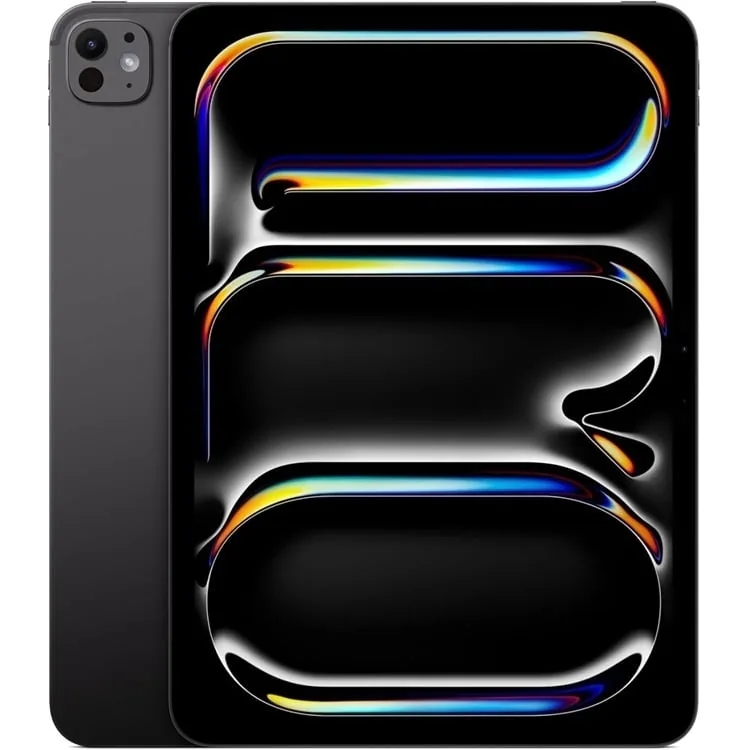
The rising cost of essential components, coupled with general market instability, means we're likely to see price increases across the board. This isn't just about buying a new stick of RAM; it means your next smartphone, tablet, or even that new electric vehicle could cost more due to the underlying semiconductor crunch.
For instance, the recent price hikes on gaming consoles like the PlayStation are a prime example of how these global supply chain issues translate into higher prices for consumers. The demand for RAM continues to surge, driven by everything from complex gaming graphics to the ever-increasing data needs of AI and mobile applications. Until production can sustainably meet this demand, expect to pay a premium for your technology.