When Alex first moved to a bustling new city, a profound loneliness settled in. Surrounded by millions, yet utterly isolated, the vibrant streets felt more like a barrier than an invitation. It wasn't until a friend dragged them to a local art workshop that something shifted. Amidst paint splatters and shared laughter, Alex discovered not just a new hobby, but a community. That evening, walking home, the city felt different--less daunting, more welcoming. This transformation underscores a fundamental human truth: we all crave belonging. It's the feeling of walking into a room and instantly feeling at home, knowing we are not only connected but accepted and valued. To effectively how to increase your sense of belonging, it requires intentional effort to seek out and nurture connections that resonate with your authentic self.
The Profound Impact of Belonging
A sense of belonging is far more than a social nicety; it's a cornerstone of human well-being, deeply woven into our psychological fabric. This fundamental need, often referred to as the 'need to belong,' drives us to affiliate with groups and seek acceptance from others. Research consistently links a strong sense of belonging to enhanced mental well-being, greater resilience, increased motivation, and even improved physical health (Allen et al., 2021). It is an intrinsic human motivation to form and maintain stable, positive relationships.
The renowned psychologist Abraham Maslow recognized the critical role of belonging, positioning it as a core 'social need' within his hierarchy. Nestled between basic physiological/safety needs and higher-level esteem/self-actualization, belonging encompasses the need for love, affection, and affiliation. Maslow believed that fulfilling this need allows individuals to experience companionship and acceptance through family, friendships, and broader community ties (Kenrick et al., 2010). By feeling part of a larger collective, we transcend individual existence, gaining a sense of purpose and significance that contributes to something greater than ourselves.
The absence of belonging, conversely, can have detrimental effects. Studies on college students, for instance, have revealed a direct correlation between a strong sense of belonging and reduced instances of anxiety, depression, hopelessness, loneliness, and even suicidal ideation (Moeller et al., 2020). Conversely, feelings of exclusion or isolation can exacerbate these mental health challenges. This highlights why understanding how to increase your sense of connection is not merely about social comfort, but about fostering deep psychological health and encouraging participation in meaningful life activities (Haim-Litevsky et al., 2023).
Understanding the Drivers of Connection
So, what truly inspires people to seek out specific groups and form lasting bonds? Often, it's a shared commonality that acts as the initial spark. These common threads can manifest in various forms, creating natural bridges between individuals and fostering a profound sense of connection.
Key factors contributing to a robust sense of belonging include:
- Shared Activities: Engaging in hobbies, interests, and activities together provides fertile ground for connection. For instance, joining a local hiking club or a weekly board game night offers structured interaction and common ground, allowing relationships to organically develop.
- Shared Values: Aligning on fundamental beliefs and principles can forge deep bonds. People drawn to environmental activism, for example, often find a powerful sense of community and purpose in working alongside others who share their commitment to sustainability.
- Shared Identities: Common cultural backgrounds, traditions, ethnicities, or even niche interests can create a powerful sense of kinship. An individual passionate about vintage film photography might find their tribe in an online forum or a local photography collective, where their unique interest is understood and celebrated.
These shared elements create a foundation upon which belonging can flourish. Historically, individuals have often presented themselves in particular ways to align with desired social groups, adopting certain dress codes, mannerisms, or even attitudes to 'fit in.' While some level of social adjustment is natural, the most genuine connections arise when these shared factors lead to mutual acceptance rather than forced conformity (Pillow et al., 2015).
Actionable Steps: How to Increase Your Belonging
Cultivating a deeper sense of belonging is an active process that requires intention and effort. It's not something that simply happens; rather, it's built through a series of deliberate actions and a shift in mindset. Here are practical steps for how to increase your feelings of acceptance and connection:
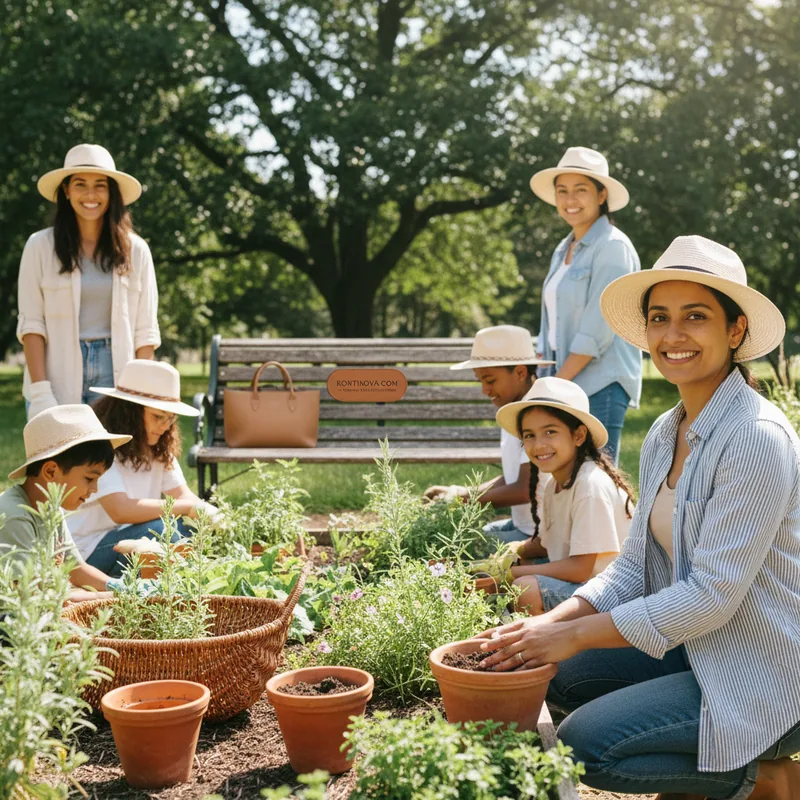
- Make a Conscious Effort: True belonging often requires stepping outside your comfort zone. Actively seek out activities and groups that align with your interests, values, or passions. This might mean joining a community gardening project, signing up for a language class, or attending local events. Engagement is the first step; simply showing up opens doors to new connections.
- Practice Patience and Persistence: Building meaningful relationships takes time. Don't be discouraged if you don't instantly feel 'at home' in a new group. Gaining acceptance, attention, and support from others is a gradual process that requires consistent presence and genuine interaction. Allow time for trust and familiarity to grow.
- Embrace Acceptance and Open-mindedness: Focus on the similarities that connect you to others, rather than dwelling on differences. Cultivate an open mind, willing to listen to new perspectives and engage with diverse viewpoints. This approach fosters an environment of mutual respect and understanding, strengthening the collective bond (Stanford Research, 2023).
- Be Authentic: Perhaps the most crucial step in forming genuine connections is to simply be yourself. Authenticity allows others to truly know you, creating relationships based on shared traits, experiences, and interests that are real and sustainable. Trying to be someone you're not ultimately hinders the formation of deep, meaningful bonds.
Navigating social interactions with these principles in mind can significantly enhance your experience. Remember, the journey to belonging is often a marathon, not a sprint. Each small effort contributes to a larger tapestry of connection.
Extending the Circle: Fostering Inclusion
While much of the focus is on personal efforts to find belonging, a truly connected society thrives when individuals also actively contribute to fostering inclusion for others. This reciprocal dynamic strengthens the entire social fabric. If you notice someone who seems isolated or lonely, making a small gesture can make a significant difference. How to increase your community's sense of belonging often starts with individual acts of kindness and invitation.
Simple actions such as asking for their thoughts during a conversation, inviting them to participate in a group activity, or simply engaging them in a friendly chat can break down barriers. Creating welcoming spaces, whether in a workplace, a community organization, or a social gathering, ensures that newcomers feel seen and valued from the outset. This empathetic approach not only helps others find their place but also enriches the existing group dynamic, making it more diverse, resilient, and vibrant (Harvard, 2024).
Ultimately, a thriving sense of belonging is a shared responsibility. It's about individuals reaching out, groups opening their arms, and communities building bridges. By actively participating in both finding your own place and helping others find theirs, we collectively build a more connected and supportive world.
Conclusion: The Power of Connection
The innate human need for belonging is a powerful motivator, shaping our behaviors, beliefs, and overall well-being. From Maslow's foundational theories to contemporary psychological research, the evidence is clear: feeling connected and accepted is vital for a fulfilling life. By understanding the drivers of connection--shared activities, values, and identities--we gain insight into where and how to increase your opportunities for meaningful interaction.
Cultivating belonging is an active, ongoing process that demands effort, patience, authenticity, and an open heart. It's about intentionally seeking out communities that resonate with your spirit and bravely being yourself within them. Furthermore, the power of belonging extends beyond the individual; by actively fostering inclusion and reaching out to others, we strengthen not only our own connections but also the collective fabric of our communities. Embrace the journey of connection, for in belonging, we find resilience, joy, and a profound sense of purpose.