If you've ever found yourself tongue-tied, blushing, or fidgeting uncontrollably around someone you're attracted to, you're not alone. That sudden surge of nerves, the racing heart, and the inexplicable urge to squirm are universal experiences. It's a phenomenon that can leave you wondering, why does this happen every time? The good news is, there's a fascinating psychological explanation for this common reaction, and understanding it can help you navigate those intense feelings with greater ease.
Experts define these 'nervous habits' as automatic behaviors triggered by stress or discomfort. While they serve as a built-in mechanism to release tension, they often become reflexive, making us feel like we've lost control. But with a deeper understanding of the science behind these reactions, you can approach interactions with your crush feeling more confident and self-aware. Let's explore this is why your body and mind react the way they do.
The Psychology of Crush Anxiety: Why Your Body Reacts
So, what exactly transforms us into a profusely sweating, stammering version of ourselves when we're around someone we like? It turns out, our bodies have a built-in coping mechanism for the charged emotions that arise with romantic interest. Physical responses like blushing or squirming are our body's way of releasing tension and adapting to intense emotional states (Psychological Research, 2014).
The key players in this process are anxiety and excitement, which are often described as two sides of the same coin. Both are high-arousal emotions that trigger similar physiological responses within us. Think about the feeling before a big presentation versus meeting someone new you're attracted to – the racing heart, the 'butterflies' in your stomach, the heightened awareness. These sensations are remarkably similar because both scenarios activate your sympathetic nervous system.
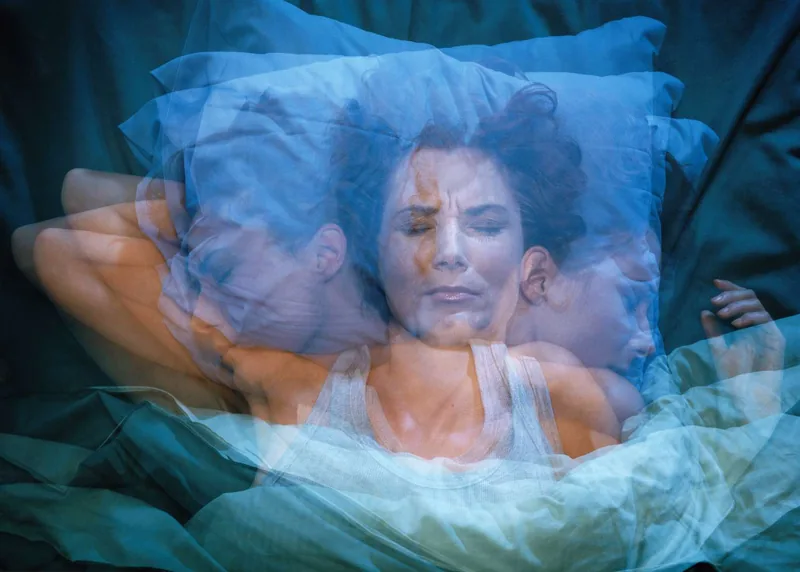
However, becoming aware of our nervous habits can sometimes amplify the anxiety. When we notice ourselves fidgeting or stumbling over words, we might start worrying about how we're perceived. This self-consciousness can lead to further embarrassment and concern that our actions are off-putting, creating a feedback loop of heightened nervousness (Experts in Therapy, 2023). This is why your initial reaction can sometimes snowball into a full-blown anxiety attack.
Decoding Nervous Habits: What Signals Mean
Nervous habits manifest in various ways, differing from person to person and even depending on the intensity of the attraction. Recognizing these common signs can help you understand both your own reactions and potentially those of others.
Physical Indicators
- Fidgeting: Playing with a pen, adjusting clothing, or tapping fingers on a table are common ways to release pent-up energy.
- Touching Face or Hair: Repeatedly smoothing hair, touching your neck, or rubbing your face can be self-soothing gestures.
- Sweating or Blushing: An involuntary physiological response where blood rushes to the surface of the skin, often accompanied by increased perspiration, signaling heightened arousal.
- Shifting Posture: Constantly adjusting how you sit or stand, unable to find a comfortable position.
Behavioral Indicators
- Stammering or Stumbling Over Words: The mind races, making it difficult to articulate thoughts clearly.
- Nervous Laughter: Either too loud or too quiet, this can be a way to mask discomfort or fill awkward silences.
- Eye Contact Fluctuations: Rapidly avoiding eye contact, or conversely, maintaining an overly intense gaze.
- Excessive Throat Clearing: A subtle, often unconscious habit to manage internal discomfort or a dry mouth caused by anxiety.
It's important to remember that these behaviors are often unconscious attempts to manage internal tension. Understanding this is why your body acts this way can help you feel less self-critical when they occur.
Beyond the Surface: Context, Personality, and Culture
Distinguishing between genuine romantic interest and general anxiety can be tricky. To accurately interpret nervous habits, consider the broader context in which they occur.
Situational and Personality Factors
The environment plays a significant role. Highly stimulating settings, like a crowded party or a bustling office, can trigger nervous habits in anyone, especially those sensitive to sensory input (Psychological Research, 2012). Personality traits also contribute. Introverts, for instance, are more prone to feeling overwhelmed in busy environments, leading them to display nervous habits as a coping mechanism (Clinical Psychology Review, 2021).
Furthermore, certain mental health conditions can mimic signs of romantic nervousness. Individuals living with generalized anxiety disorder (GAD) may exhibit symptoms such as twitching, sweating, and restlessness as manifestations of their condition, not necessarily romantic interest (National Institute of Mental Health, 2022). This is why your observations should extend beyond a single interaction.
Finally, temporary factors like stress levels, lack of sleep, or even caffeine intake can influence behavior. Observing patterns over time, rather than isolated incidents, offers a more accurate picture.
Gender and Cultural Influences
Our gender and cultural backgrounds significantly shape how emotions are expressed and perceived. Research indicates that in Western cultures, women are often socialized to be more emotionally expressive, while men may be taught to suppress their feelings (Emotion Review, 2015). This can make it challenging to gauge emotional states based solely on outward behaviors, as men might internalize their nervousness more.
Cultural values also play a crucial role. A study found that cultural norms, such as individualism versus collectivism, influence how emotions are conveyed. For example, emotional calmness is highly valued in some East Asian cultures, whereas emotional expressiveness is more common in the United States (Emotion, 2016). Understanding this is why your cultural lens might differ from another's is essential for accurate interpretation.
Navigating the Nerves with Confidence
Once you've observed behaviors and considered the context, how do you move forward? It all begins with empathy and self-compassion.
“If you notice someone exhibiting nervous habits around you, the best first step is to empathize with them. Chances are, you’ve felt that way around someone else, and you might even be feeling the same nervousness towards them.”
This insight from relationship experts highlights a fundamental truth: nervousness is a shared human experience. By recognizing this, you can foster a more understanding environment, whether you're dealing with your own jitters or observing them in someone else.
The next step is to actively work on building comfort within the interaction. This helps alleviate tension and promotes a more relaxed, authentic exchange. One particularly brave and effective strategy is to acknowledge your own nervousness first. For example, you might say, “I’m feeling a bit nervous right now, but I’m really enjoying our conversation,” or “I just noticed I’m playing with my pen; I always do that when I’m a little anxious!” This vulnerability can instantly disarm the situation, make the other person feel more at ease, and create a deeper connection.
Remember, this is why your honest communication can be a powerful tool in navigating these situations. It normalizes the experience and invites the other person to be themselves.
Nervous habits can certainly be… well, nerve-wracking. But with a bit of mindful observation and self-awareness, we can better understand their origins, whether they stem from romantic interest or general anxiety. It’s crucial to extend kindness to both ourselves and others throughout this process. Nervous habits are an inherent part of the human condition, something we all experience at various points in our lives. By normalizing these reactions and creating a safe space for genuine interaction, we open ourselves up to more meaningful connections and a deeper understanding of human emotion.