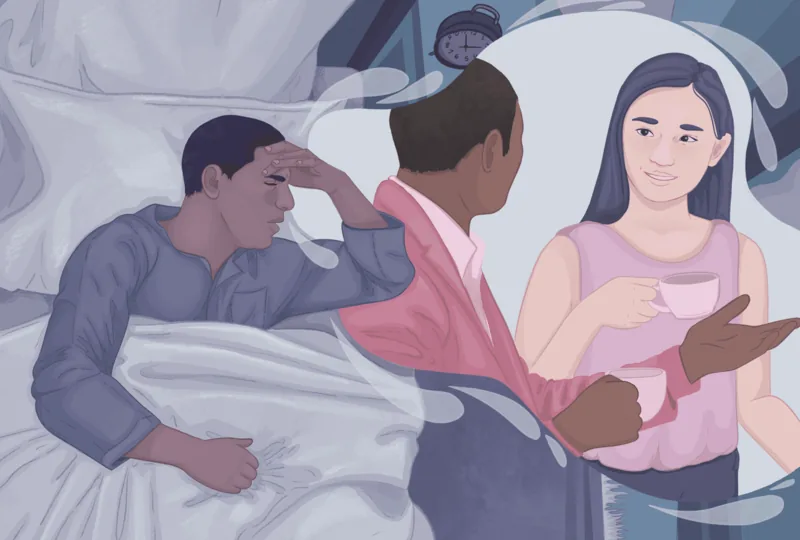
Nearly 40% of individuals diagnosed with social anxiety disorder will develop at least one other mental health condition within their lifetime, creating complex diagnostic and treatment challenges. Understanding these interconnected disorders related to social anxiety is crucial for effective management and recovery. This comorbidity--the presence of multiple conditions--often complicates treatment, as addressing only one issue while ignoring underlying social anxiety typically yields limited results. The relationship between these conditions is bidirectional, with each potentially exacerbating the other in a challenging cycle that requires specialized, integrated care approaches.
The Anxiety Spectrum Connections
Social anxiety disorder frequently coexists with other anxiety conditions, creating overlapping symptom profiles that can be difficult to distinguish. Avoidant Personality Disorder (APD) represents perhaps the closest relative, sharing many behavioral patterns but distinguished by broader interpersonal distrust and more pervasive avoidance across all life domains. While social anxiety typically focuses on performance or evaluation fears, APD involves fundamental doubts about others' motives and one's own social worth.
Panic Disorder presents another common comorbidity, though with distinct triggers and manifestations. Where social anxiety centers on specific situational fears, panic attacks often arise unexpectedly. However, the avoidance behaviors they generate can become intertwined--someone might avoid social gatherings both from fear of judgment and concern about triggering a panic episode. Interestingly, while people with pure panic disorder often seek comfort from trusted companions, those with comorbid social anxiety may feel more anxious when observed by even familiar people.
Generalized Anxiety Disorder (GAD) introduces diffuse, persistent worry that extends far beyond social concerns. Someone with both conditions might experience constant anxiety about work performance, health, relationships, and global issues, while simultaneously dreading specific social interactions. This creates a exhausting double burden of both specific and generalized apprehension. Physical symptoms like tension headaches or insomnia often accompany this combination, further diminishing quality of life.
Mood and Substance Connections
The relationship between social anxiety and depression represents one of the most clinically significant comorbidities. Research indicates that individuals with untreated social anxiety are three times more likely to develop major depressive disorder compared to the general population. This progression often follows a predictable pattern: chronic social avoidance leads to isolation, which in turn fosters loneliness, diminished self-worth, and ultimately depressive symptoms. Unfortunately, many seek treatment only for depression while their underlying social anxiety remains unaddressed for years.
Alcohol Use Disorder frequently develops as a maladaptive coping mechanism for social anxiety. What begins as "liquid courage" to navigate parties or meetings can gradually evolve into dependency. Studies show approximately 20% of people with social anxiety disorder struggle with problematic alcohol use. The temporary relief alcohol provides reinforces its use, creating a dangerous cycle where social fears drive drinking, and drinking consequences exacerbate social difficulties. Integrated treatment addressing both conditions simultaneously proves essential for lasting recovery.
Beyond these classic pairings, several other disorders related to social anxiety deserve attention. Body Dysmorphic Disorder (BDD) often co-occurs, with individuals becoming hyper-focused on perceived physical flaws they believe others are judging. Selective Mutism, particularly in children and adolescents, represents an extreme form of situational social anxiety where speaking becomes impossible in specific settings despite normal verbal ability elsewhere.
Complex Comorbidities and Treatment Approaches
Eating Disorders share complex relationships with social anxiety, particularly through fears of eating in public. While someone with anorexia might avoid restaurants from fear of being judged for food choices, a person with social anxiety might dread the same situation from concerns about spilling drinks or trembling hands. These different motivations require distinct therapeutic approaches even when behavioral patterns appear similar.
Schizophrenia presents a less common but particularly challenging comorbidity. Social anxiety in this context often relates to paranoid thoughts or concerns about negative evaluation due to symptoms. This additional layer of distress can significantly impair social functioning and quality of life, requiring specialized treatment approaches that address both conditions' unique interactions.
Agoraphobia represents another important connection, often developing as social anxiety expands beyond specific situations to encompass broader fears of being trapped or unable to escape. This progression from fearing social evaluation to fearing environments themselves demonstrates how disorders related to social anxiety can evolve and compound over time without intervention.
Effective treatment for comorbid conditions requires integrated approaches that address all presenting issues simultaneously. Cognitive Behavioral Therapy (CBT) has shown particular efficacy for anxiety-depression combinations, while specialized protocols exist for anxiety-substance use comorbidities. Medication management also requires careful consideration of how different agents might affect multiple conditions. As clinical guidelines emphasize, comprehensive assessment that explores all potential disorders related to social anxiety is essential before developing any treatment plan.
If you recognize these patterns in yourself or someone you care about, professional evaluation offers the first step toward understanding and management. Modern treatment approaches have evolved significantly to address complex comorbidities, offering hope even for long-standing conditions. Remember that seeking help represents strength, not weakness--and that addressing the full picture of mental health leads to more sustainable recovery and improved quality of life.