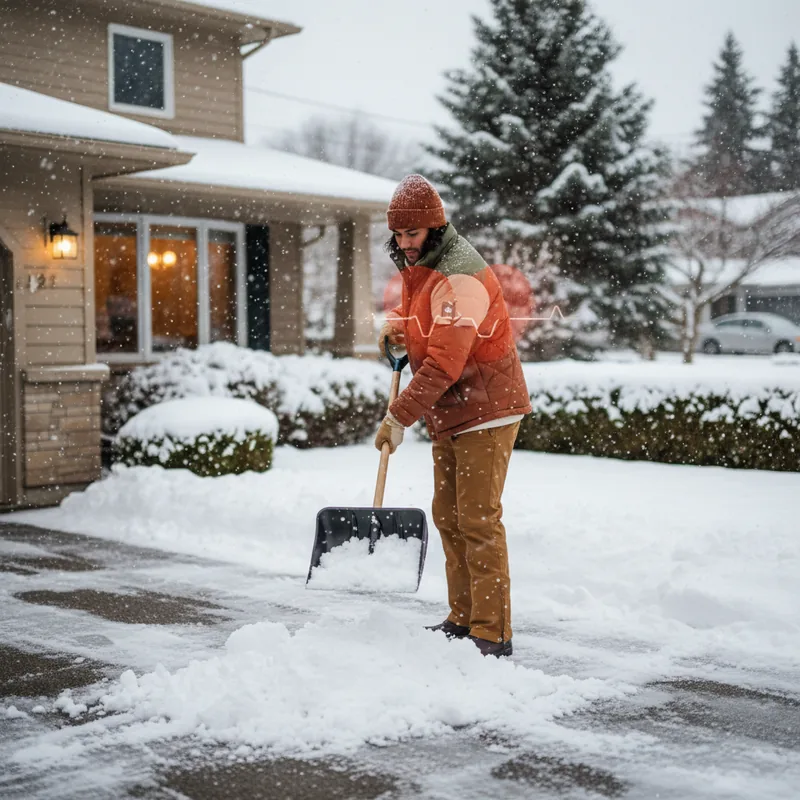
The first big snow of winter often brings a mix of excitement and dread. For Mark, a busy dad in his late 40s, it meant a challenging morning clearing his long driveway before work. He'd always prided himself on handling the task, but after one particularly heavy snowfall, he felt an unfamiliar tightness in his chest. Dismissing it as muscle strain, he pushed through, only to find himself lightheaded and short of breath. Mark's experience is a stark reminder: the effort to clear your driveway can be far more dangerous than it appears.
So, can you really have a heart attack from shoveling snow? The answer, unequivocally, is yes, you can really face a significant cardiac risk. This isn't just an old wives' tale; medical experts confirm that snow shoveling is a strenuous activity that can push your cardiovascular system to its limits, especially under cold conditions. Understanding the dangers and taking precautions is essential for anyone tackling winter's demands.
The Hidden Dangers of Snow Removal
Shoveling snow is far more taxing than many realize, often akin to a high-intensity workout. The connection between shoveling and cardiac events is not an exaggeration; yes, you can really push your body into a dangerous zone. It causes a rapid spike in both heart rate and blood pressure, levels that can be unsafe for individuals who are not regularly active or have underlying health issues. Compounding this, cold temperatures cause blood vessels to constrict, further increasing blood pressure and making your heart work harder to pump blood. This combination creates a perfect storm for cardiac events, including heart attacks and sudden cardiac death (American Heart Association, 2022; Harvard Health, 2024).
Consider the intensity: lifting heavy, wet snow repeatedly is comparable to vigorous cycling or intense weightlifting. Unlike planned exercise where you warm up, shoveling often begins abruptly, without proper preparation, adding to the strain. This sudden, intense exertion in a cold environment is a critical factor in the elevated risk.
Who Should Exercise Extreme Caution?
While anyone can be at risk, certain groups are particularly vulnerable. If you have a history of cardiovascular disease, diabetes, or kidney disease, or if you are generally sedentary, you should consult your doctor before engaging in intense physical activities like snow shoveling. This advice holds true whether you're considering a new fitness regimen or clearing a heavy, wet snowfall from a steep driveway.
The American Heart Association identifies several high-risk categories who should ideally avoid shoveling altogether or seek medical clearance: Individuals with a history of heart attack, stroke, bypass surgery, or coronary angioplasty.Those with chronic conditions such as diabetes, obesity, high blood pressure, or high cholesterol.Current or former smokers.People who lead a largely sedentary lifestyle. If you fall into any of these groups, yes, you can really protect your heart by finding alternative ways to clear snow.
Unexpected Risks: Even With Machinery
Many assume using a snowblower is a safer, easier alternative, but this isn't always the case. Operating a snowblower, especially a heavy, gas-powered model, still requires significant physical exertion, pushing and maneuvering the machine through deep snow. Studies show that snowblowing can also elevate heart rate and blood pressure to dangerous levels, leading to cardiac incidents (Mayo Clinic, 2023). So, yes, you can really put your heart at risk even with mechanical assistance.
Smart Shoveling Strategies to Reduce Risk
If you're healthy enough to shovel, taking precautions can significantly reduce your risk. First, warm up for 5-10 minutes with light stretching or walking before you start. Dress in layers to stay warm without overheating. Stay hydrated, and avoid caffeine or heavy meals before shoveling, as these can also strain your heart.
Break up the task: instead of waiting for a foot of snow, clear smaller amounts multiple times throughout a storm. Shovel only a few inches at a time; this makes the snow lighter and less strenuous to move. When shoveling, push the snow rather than lifting it. If you must lift, use your legs, not your back, and avoid twisting. Take frequent breaks, especially if the snow is heavy or wet, or if you're clearing a large area like a long path to a detached garage.
Most importantly, listen to your body. If you experience any chest pain or pressure, shortness of breath, lightheadedness, or heart palpitations, stop immediately. These are serious warning signs. Don't push through discomfort. If symptoms don't subside quickly, call 9-1-1. Remember, yes, you can really make a difference in your heart health by being proactive and cautious this winter.