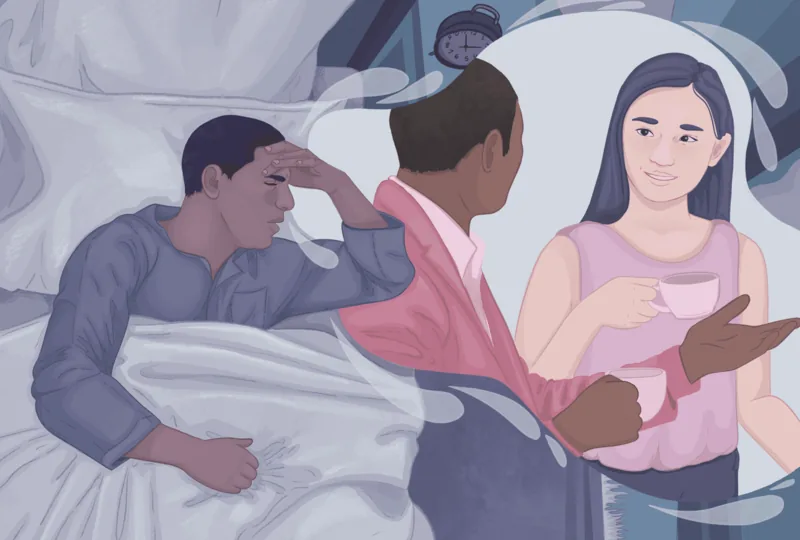
Imagine sitting with friends discussing relationships, and someone mentions they're "asexual." You nod understandingly, but later wonder: if there's a term for people who don't experience sexual attraction, what do we call everyone else? This common moment of curiosity reveals why understanding allosexuality matters--not just as a label, but as a framework for more inclusive conversations about human sexuality.
Defining Allosexuality: Beyond the Basics
Allosexuality describes people who experience sexual attraction to others, serving as the counterpart to asexuality. Unlike older terms that conflated attraction with activity, "allosexual" specifically addresses orientation rather than behavior. This distinction is crucial because sexual attraction and sexual activity exist on separate spectrums--someone can be allosexual but celibate, just as someone can be asexual but sexually active.
Understanding what is allosexuality how it functions in daily life begins with recognizing it as the default assumption in most societies. When movies portray "love at first sight" or songs describe instant chemistry, they're depicting allosexual experiences. However, this normalization often renders allosexuality invisible as an identity, much like how being right-handed rarely gets discussed as a specific trait.
Research in sexual psychology indicates that approximately 1% of the population identifies as asexual (Cambridge University, 2023), making allosexuality the experience of the majority. Yet having a specific term creates space for more nuanced conversations about attraction, consent, and relationship dynamics across the entire spectrum of human experience.
Recognizing Allosexual Experiences in Daily Life
You might be wondering what is allosexuality how it manifests in real situations. Consider these everyday scenarios: feeling physical attraction when meeting someone new, experiencing sexual tension during a date, or noticing attractive qualities in strangers. These moments represent common allosexual experiences that many people take for granted as universal.
In workplace settings, allosexual dynamics often appear subtly--like when colleagues develop crushes or office romances blossom. While professional boundaries remain essential, these attractions stem from the same allosexual orientation that fuels dating app swipes and romantic comedies. Recognizing this helps create policies that acknowledge human attraction while maintaining appropriate conduct.
Media representation offers another lens for understanding what is allosexuality how it shapes narratives. Nearly every mainstream romantic storyline assumes allosexual attraction as the driving force, from Shakespeare's sonnets to modern streaming series. This ubiquity makes allosexuality culturally invisible, which is precisely why having a specific term creates important visibility for alternative experiences too.
Relationship communication provides perhaps the most practical application. When partners discuss their "love languages" or intimacy needs, they're often navigating allosexual dynamics without naming them. Explicitly recognizing these patterns can lead to clearer conversations about desires, boundaries, and compatibility.
The Spectrum Approach to Sexual Attraction
Modern sexuality research increasingly views attraction as existing along continuums rather than in rigid categories. Allosexuality occupies one region of this spectrum, with graysexuality and demisexuality representing middle ground experiences. Graysexual individuals experience sexual attraction rarely or with low intensity, while demisexual people only develop attraction after forming emotional connections.
This spectrum model helps answer what is allosexuality how it relates to other identities. Rather than viewing allosexuality and asexuality as binary opposites, they exist as points on a fluid continuum where people might move throughout their lives. Some individuals experience shifts in their attraction patterns due to life changes, medications, or personal growth, demonstrating sexuality's dynamic nature.
Consider how relationship stages might influence attraction: the intense chemistry of new romance versus the deep, settled intimacy of long-term partnership. Both represent valid allosexual experiences, yet they feel qualitatively different. This variability within allosexuality itself highlights why labels serve as starting points for self-understanding rather than permanent definitions.
Cultural factors also shape how allosexuality manifests. Research comparing collectivist versus individualist societies shows differences in how attraction gets expressed and regulated (Stanford Social Sciences, 2024). These variations remind us that while the capacity for sexual attraction may be nearly universal, its expression is deeply cultural.
Inclusive Language and Its Impact
The development of "allosexual" as a term represents more than linguistic precision--it's an exercise in creating equitable dialogue. Before this terminology existed, conversations about sexuality often positioned asexual people as "other" or "different from normal." Having specific language for both experiences establishes parallel categories rather than hierarchical ones.
This linguistic shift matters in educational contexts, healthcare settings, and personal relationships. When sex education materials discuss attraction, they can now reference "allosexual and asexual experiences" rather than presenting one as standard and the other as deviation. This framework benefits everyone by reducing stigma and increasing accuracy.
In therapeutic settings, understanding what is allosexuality how it functions helps clinicians avoid assumptions. Rather than presuming all clients experience sexual attraction, therapists can ask open-ended questions that honor diverse experiences. This approach creates safer spaces for clients exploring their sexuality, whether they're allosexual, asexual, or somewhere between.
The terminology also supports better research. Studies can now distinguish between sexual behavior, sexual attraction, and sexual orientation with greater precision, leading to more nuanced findings about human sexuality across populations and cultures.
Navigating Identity Without Pressure
Discovering the term "allosexual" might feel like finding a missing puzzle piece--or it might feel irrelevant to your experience. Both reactions are valid. Some people embrace the label enthusiastically, while others prefer to simply live their attractions without naming them. The key is recognizing that labels serve us, not the other way around.
If you're exploring whether allosexual describes your experience, consider these reflection points without pressure: Do you regularly experience sexual attraction to others? Does this attraction feel like a consistent part of your human experience? How does your pattern of attraction compare to cultural narratives about "normal" sexuality?
Remember that identities can evolve. Someone might identify as allosexual for decades, then experience shifts in their attraction patterns due to aging, health changes, or personal transformation. The flexibility to update our self-understanding represents maturity, not inconsistency.
Ultimately, understanding what is allosexuality how it functions in society gives us richer vocabulary for human diversity. Whether you claim the label or simply appreciate its existence, recognizing the spectrum of sexual attraction creates space for everyone's authentic experience--including your own.