If you've scrolled through your social media feeds lately, you've likely encountered influencers raving about a new, albeit unusual, skincare secret: salmon sperm. Yes, you read that right. This peculiar ingredient is making waves for its purported skin-rejuvenating properties, promising a radiant glow and a more youthful complexion. But before you envision a fish market facial, let's dive into what's really behind this trend and why tiktokers are injecting this into their skin.
The Science and The Substance
The buzz around 'salmon sperm facials' centers on a compound called PDRN, or polydeoxyribonucleotide. This isn't actual sperm, but rather a substance derived from salmon DNA. PDRN has a documented history in medical applications, particularly in South Korea and Italy since the 1980s, where it's been utilized for its regenerative capabilities (Lee et al., 2022). The science suggests PDRN works by activating adenosine receptors in skin cells, which can stimulate tissue repair, boost collagen production, and enhance skin elasticity. Think of it as a catalyst for your skin's natural healing and rebuilding processes.
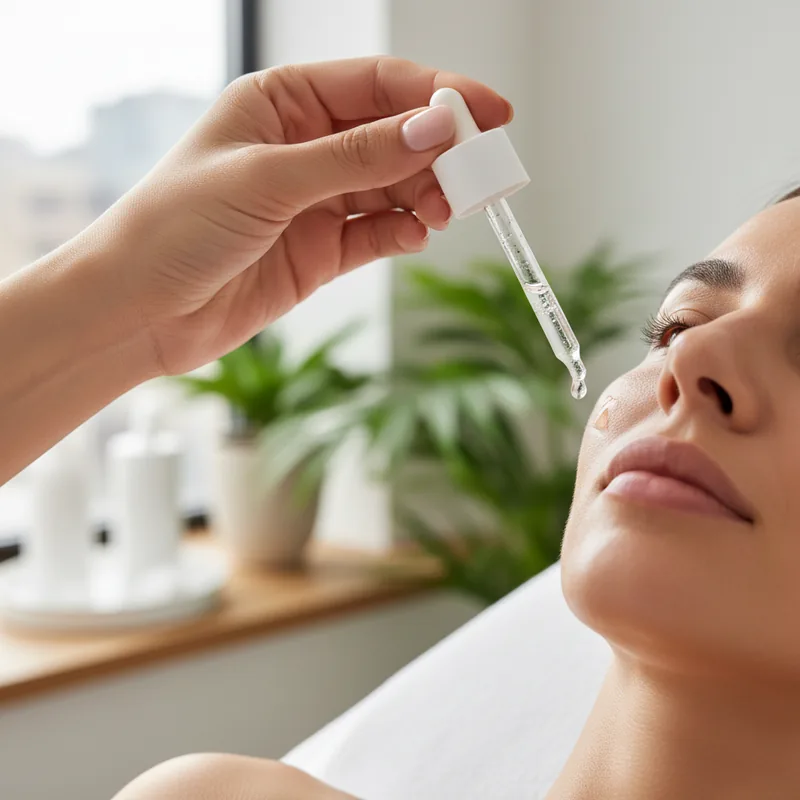
In its injectable form, PDRN is typically administered via a series of micro-injections, similar to mesotherapy. Proponents claim these treatments can effectively reduce fine lines, improve scar appearance, refine skin texture, and contribute to an overall more youthful look. Unlike treatments that merely offer temporary plumping, PDRN aims to address the skin's structure from within. However, it's crucial to note that in the United States, the FDA currently classifies PDRN as a topical cosmetic ingredient, meaning its use as an injectable is not FDA-approved for aesthetic purposes (FDA, 2023). This distinction is vital when considering treatments offered domestically.
Beyond PDRN, there's also PN (polynucleotides), a purer and more concentrated derivative, which is also gaining traction. Treatments might be marketed under various names like 'salmon skin facials,' 'Rejuran,' or simply 'PDRN injections,' adding layers of confusion for consumers.
Navigating the Hype: A Reality Check
Social media platforms like TikTok and Instagram are powerful trendsetters, but they often amplify exciting outcomes while downplaying the less glamorous aspects. The narrative surrounding why tiktokers are injecting PDRN often focuses on dramatic before-and-after photos, glossing over potential discomfort. Some users report that the injections can be quite painful, and visible side effects like swelling and bruising are common immediately after treatment (Kim, 2023). Achieving noticeable results typically requires multiple sessions, a detail often omitted in viral videos.
The unregulated nature of injectable PDRN in the US is a significant concern. When a product isn't FDA-approved as a drug, its purity, safety, and efficacy aren't guaranteed. This opens the door to potential complications if treatments are administered by unqualified individuals. The allure of quick fixes for aging signs has fueled numerous viral beauty trends, from vampire facials (using one's own blood) to snail mucin serums, each with its own set of enthusiastic proponents and scientific scrutiny. It's essential to approach such treatments with caution.
Before opting for any injectable treatment, especially one inspired by social media, thorough research and professional consultation are paramount. Understanding precisely what you are receiving--whether it's PDRN, PN, or another compound--and ensuring it's administered by a licensed and experienced practitioner is non-negotiable. The promise of glowing skin shouldn't overshadow your health and safety. Therefore, instead of blindly following why tiktokers are injecting, prioritize a conversation with a qualified dermatologist.
A dermatologist can help you understand if PDRN injections are appropriate for your skin type and concerns, outline realistic expectations, discuss potential risks, and ensure the procedure, if deemed suitable, is performed safely and effectively. Remember, while influencers can introduce you to new trends, they cannot replace the expertise of medical professionals. As demand for these treatments grows, so does the importance of discerning credible information from fleeting social media fads.