A recent survey highlights that a significant majority of adults, nearly 70%, admit to feeling impatient at least once a week, a statistic often exacerbated by our society's increasing demand for instant gratification. In a world that constantly pushes for speed and immediate results, learning how to be more patient has become an invaluable skill, not just for navigating daily frustrations but for fostering overall well-being. Patience, fundamentally, is the capacity to endure difficult circumstances, delays, or annoyances without becoming agitated or upset (Dictionary.com, n.d.). It is a character trait that, while seemingly innate for some, can absolutely be developed and strengthened through conscious practice and a shift in perspective.
Understanding and cultivating patience can transform your daily experience, reducing stress and enhancing your ability to cope with life's inevitable challenges. This guide offers practical strategies to help you on your journey to becoming a more patient individual.
The Power of Patience: Why It Matters More Than Ever
The benefits of fostering patience extend far beyond simply enduring a long queue. Cultivating this virtue is a powerful tool for personal growth and emotional resilience. When you learn how to be more patient, you unlock a cascade of positive outcomes that profoundly impact your mental and physical health.
- Reduced Stress Levels: Impatience often manifests as frustration, anxiety, and a feeling of being overwhelmed. This emotional turmoil triggers the body's stress response, releasing hormones that, over time, can contribute to chronic stress and various health issues (Mariotti, 2015). Patience, conversely, helps you maintain composure, allowing you to approach challenges with a calmer mindset and significantly lower your daily stress burden.
- Improved Decision-Making: Hasty decisions are frequently poor decisions. When impatient, individuals tend to rush to conclusions or react impulsively, often overlooking crucial details or potential consequences. Patience provides the space for thoughtful consideration, enabling you to analyze situations from multiple angles and make more informed, effective choices.
- Enhanced Gratification and Enjoyment: In our instant-gratification culture, we often race through experiences. However, true enjoyment often comes from anticipation and savoring the moment. Research suggests that waiting for experiences, rather than material goods, can lead to greater, more lasting happiness (Kumar et al., 2014). By embracing patience, you learn to appreciate the journey, making the eventual reward feel even more satisfying. Think of the heightened excitement for a long-awaited vacation or the deep satisfaction after slowly mastering a complex new skill, like learning to play a musical instrument.
- Increased Presence and Mindfulness: Rushing through life means missing out on it. Impatience pulls your focus away from the present, fixating instead on what's next or what's taking too long. Practicing patience encourages you to slow down, observe, and truly engage with your current environment and interactions. This heightened presence allows you to find joy in simple moments, from a quiet morning coffee to meaningful conversations with loved ones.
Decoding Impatience: Triggers and Characteristics
Before you can effectively cultivate patience, it's crucial to understand its counterpart: impatience. Recognizing what triggers your impatience and understanding the typical behaviors associated with it can provide valuable insight into where to focus your efforts for growth.
Identifying Your Impatience Triggers
Everyone has unique triggers that can ignite feelings of impatience. These might be specific situations, people, or even internal states. Becoming aware of these triggers is the first step toward managing them proactively. Keep a mental note or a journal of moments when you feel your patience wearing thin. Is it:
- Traffic Jams or Public Transport Delays: The feeling of being stuck and losing control over your schedule.
- Slow Technology: A lagging internet connection, a software update taking too long, or a website that won't load.
- Waiting in Lines: At the grocery store, coffee shop, or for customer service.
- Other People's Pace: Someone speaking slowly, working at a different speed, or children's natural tendency to take their time.
- Personal Setbacks: Not achieving a goal as quickly as you'd hoped, or making a mistake.
Once you identify common triggers, you can strategize how to approach them. For instance, if slow technology is a trigger, you might use that waiting time for a quick mindfulness exercise or to tackle a small, unrelated task.
The Spectrum of Patience: Characteristics Compared
Understanding the traits associated with both patient and impatient individuals can illuminate the behaviors you might want to adopt or unlearn.
Patient People Often Exhibit:
- A calm demeanor, even amidst delays or frustrations.
- A willingness to understand underlying reasons for delays.
- The ability to make thoughtful, calculated decisions.
- An even temper and a slow-to-anger disposition.
- Excellent listening skills and empathy.
- A resilient mindset when facing obstacles.
Impatient People May Display:
- A strong desire for immediate results and rapid action.
- Tendencies to pressure others to perform tasks faster.
- Annoyance, frustration, or irritability when delayed.
- A propensity for making rash or impulsive decisions.
- A short temper and quickness to anger.
- Difficulty listening attentively or interrupting others.
Practical Pathways to Cultivating Calm
Learning how to be more patient is a journey, not a destination. It requires consistent effort and a commitment to shifting your mindset. Here are actionable strategies to help you build this essential life skill (Cleveland Clinic, n.d.).
1. Start Small and Build Resilience
Just like building physical muscle, patience grows with practice. Begin by intentionally engaging in activities that gently challenge your current patience levels. This could involve:
- Taking a slightly longer, scenic route home instead of the fastest one.
- Working on a complex jigsaw puzzle or a detailed craft project that demands sustained focus.
- Waiting a few extra moments to appreciate the aroma and presentation of your meal before diving in.
- Committing to learning a new, intricate skill like coding or playing a musical instrument, understanding that progress will be gradual.
These small acts of intentional waiting and perseverance help rewire your brain to tolerate delays more effectively.
2. Embrace Mindfulness and Presence
Mindfulness is a powerful antidote to impatience, anchoring you in the present moment rather than letting your mind race ahead. Practicing mindfulness daily can significantly enhance your ability to manage expectations during stressful waiting periods (Sweeny & Howell, 2017). Even during mundane moments, like waiting for your coffee to brew, try to engage your senses and appreciate the process.
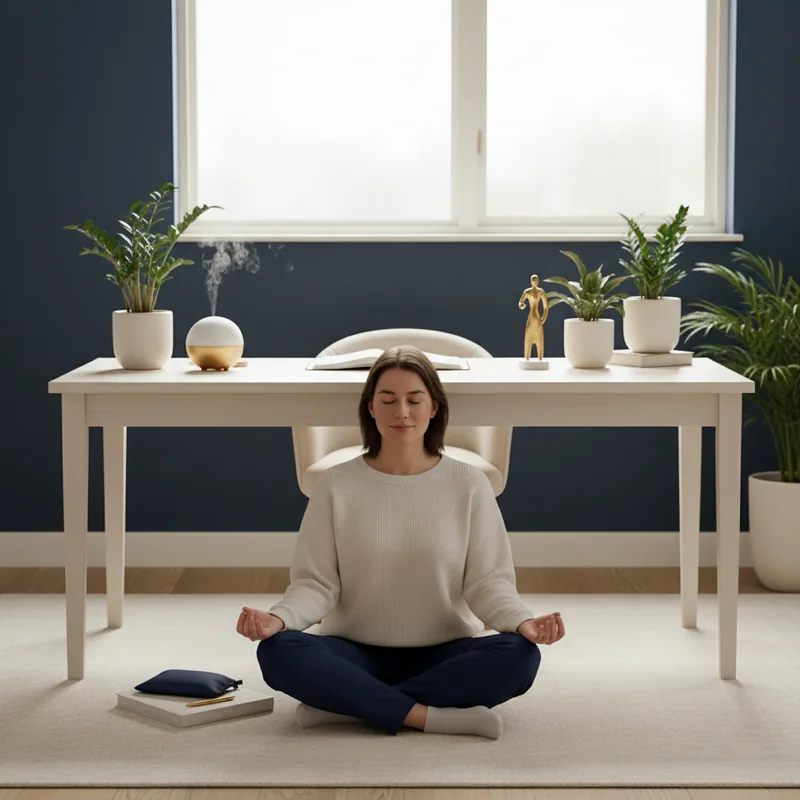
A simple mindfulness exercise you can practice anywhere:
- Find a comfortable position and close your eyes if you can.
- Take several deep, slow breaths, focusing on the sensation of air entering and leaving your body.
- Notice any thoughts or distractions that arise without judgment.
- Gently guide your attention back to your breath whenever your mind wanders.
- Continue for 5-10 minutes, gradually increasing the duration as you become more comfortable.
3. Consciously Slow Down
Not everything needs to be done at lightning speed. Identify areas in your life where you can deliberately reduce your pace. This might mean:
- Walking a little slower, observing your surroundings.
- Taking an extra minute to compose an email rather than firing off a quick, potentially unclear response.
- When confronted with a slow internet connection or a lengthy software update, instead of getting frustrated, use the time to stretch, glance out the window, or practice a quick breathing exercise.
- Allowing more time for transitions between tasks or appointments.
By intentionally slowing down, you challenge the ingrained habit of rushing and create space for calm.
4. Practice Acceptance of What's Beyond Your Control
A fundamental aspect of patience is accepting that some things are simply out of your hands. Getting frustrated about a traffic jam, a delayed flight, or a sudden change in plans does nothing to alter the situation; it only elevates your stress levels. Instead, practice radical acceptance.
“Grant me the serenity to accept the things I cannot change, courage to change the things I can, and wisdom to know the difference.”
When faced with an uncontrollable delay, consciously choose to reframe your perspective. Can you use this time to listen to a podcast, read a book, or simply enjoy a moment of quiet reflection?
5. Cultivate Empathy and Perspective
Often, impatience stems from a self-centered perspective. We focus on how a delay affects *us*. By actively practicing empathy, you can shift your viewpoint. Consider the perspective of the person causing the delay – perhaps the barista is new, the customer service representative is dealing with a complex issue, or the traffic controller is ensuring safety.
Understanding that everyone is doing their best within their circumstances can foster a greater sense of patience and compassion, making you less prone to irritation.
6. Self-Reflection and Journaling
To truly learn how to be more patient, consistent self-reflection is key. Regularly check in with yourself. What situations tested your patience today? How did you react? How could you have responded differently? Journaling about these experiences can help you identify patterns, understand the root causes of your impatience, and track your progress over time. This conscious effort reinforces new, patient behaviors.
Navigating Impatience in Relationships and Self
Impatience doesn't just impact our ability to wait; it profoundly affects our relationships and our internal dialogue. Addressing impatience in these critical areas is vital for overall well-being.
Being Patient With Yourself
We are often our harshest critics. It's easy to become impatient with your own progress, mistakes, or perceived shortcomings. To cultivate patience with yourself, remember that personal growth is a continuous, non-linear process. Some things take time, mistakes are inevitable learning opportunities, and perfection is an unrealistic standard. Embrace self-compassion, acknowledge your efforts, and celebrate small victories. Research indicates that patience is linked to greater satisfaction even when facing difficulties (Schnitker, 2012).
Patience With Children
Parenting often presents unique challenges to patience, from tantrums to slow decision-making. Open and consistent communication is paramount. Instead of reacting impulsively, try to understand the underlying reasons for a child's behavior. By modeling patience, you teach your children this valuable skill. Studies show that patient children tend to exhibit less anger and develop better self-regulatory behaviors as they mature (Cole et al., 2011).
Patience in Partner Relationships
Communicating with an impatient partner can be challenging, but it's crucial for fostering a healthier dynamic. Practice active listening, allowing them to express their frustrations without immediate interruption or defensiveness. Give them space to vent before gently communicating how their impatience impacts you. Consistently demonstrating patience yourself can serve as a powerful example. If communication remains difficult, seeking guidance from a couple's therapist can provide tools and strategies for both partners.
Embracing the Journey to Greater Patience
Learning how to be more patient is a continuous and rewarding endeavor. It's a skill that empowers you to navigate the complexities of modern life with greater calm, clarity, and resilience. By understanding your triggers, practicing mindfulness, embracing acceptance, and consciously choosing a slower pace, you can transform your relationship with time and circumstance.
Remember, patience is not about passively waiting for things to change; it's about actively choosing your response to what you cannot control. It's a profound act of self-care and a pathway to a more peaceful and fulfilling life.