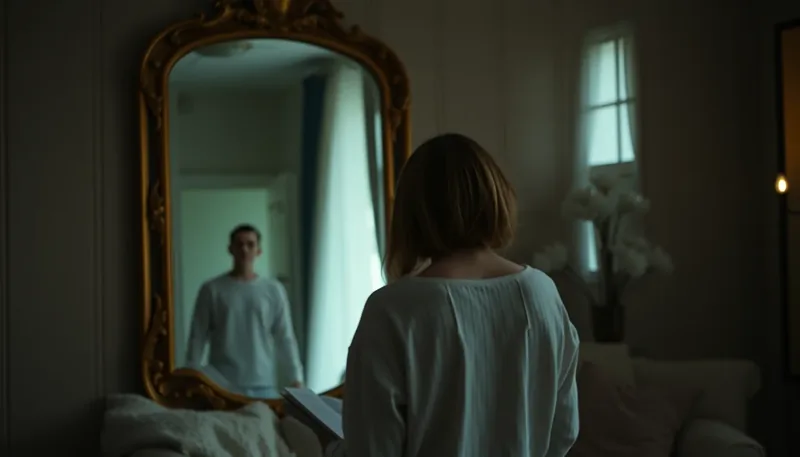
For Maya, a simple trip to a restaurant became an ordeal. She would meticulously scan the room upon entering, her heart rate quickening at the sight of any mirrored wall or decorative surface. The fear wasn't of the space itself, but of the unavoidable reflections it contained--a visceral anxiety known as spectrophobia. This intense, often irrational fear of mirrors or one's own reflection is more than a quirk; it's a specific phobia that can profoundly limit how individuals move through the world.
What Is Spectrophobia?
Spectrophobia is classified as a specific phobia, an anxiety disorder characterized by a persistent and excessive fear triggered by a specific object or situation--in this case, mirrors or reflective surfaces. To truly understand potential causes of this condition, we must first recognize its impact. The fear can manifest as a dread of the mirror as an object, a terror of one's own reflection, or an anxiety about what supernatural element might appear within it. While rare, its effects are serious, often leading to significant avoidance behaviors that disrupt social, professional, and personal life. Diagnosis typically requires symptoms persisting for at least six months, as outlined in diagnostic manuals, and the fear must be disproportionate to any actual danger.
Recognizing the Symptoms
The experience of spectrophobia varies, but common symptoms create a recognizable pattern. Upon encountering a mirror or even anticipating one, individuals may experience immediate anxiety marked by a rapid heartbeat, sweating, trembling, or a full panic attack. The core feature is a compelling urge to avoid mirrors altogether, which can mean avoiding public bathrooms, certain stores, or friends' homes. This avoidance is what transforms a fear into a debilitating phobia. It's crucial to distinguish spectrophobia from other conditions. A clinician will carefully rule out related issues like body dysmorphic disorder (which involves a preoccupation with perceived flaws) or panic disorder, though these can sometimes co-occur (Harvard Medical School, 2023).
When Professional Guidance Is Essential
If the fear of mirrors causes significant distress, impairs daily functioning, or leads to isolation, seeking help is a critical step. A mental health professional can provide an accurate diagnosis and develop a tailored treatment plan. This is especially important given the high rate of comorbidity; research indicates that specific phobias strongly correlate with the later development of other anxiety or mood disorders (Journal of Anxiety Disorders, 2022).
Understanding Potential Causes of Mirror Fear
Unraveling why someone develops spectrophobia is complex, as it rarely stems from a single source. A key step is to understand potential causes of this phobia, which often intertwine genetics, brain chemistry, and life experience. Studies suggest some individuals may have a genetic predisposition to anxiety disorders, including specific phobias. Neurologically, an overactive amygdala--the brain's fear center--may cause an exaggerated threat response to non-dangerous stimuli like a mirror. Furthermore, some brains may have difficulty with habituation, failing to learn that a mirror is safe even after repeated, non-threatening exposures.
Traumatic experiences play a significant role for many. A child frightened by a Halloween prank involving a mirror, or someone who experienced a distressing event in a mirrored room, may develop a lasting association. However, not everyone with spectrophobia recalls a specific traumatic trigger, pointing to the multifaceted nature of its origins. To fully understand potential causes of spectrophobia, we must also consider underlying fears it may represent, such as a fear of death, ghosts, or harsh self-criticism, with the mirror acting as a conduit.
Cultural Roots and Personal Triggers
Beyond individual psychology, cultural narratives deeply influence this phobia. Mirrors are embedded in global superstitions--from the belief that they trap souls to the practice of covering them after a death to prevent the deceased's spirit from being caught. These stories, passed down through generations, can seed anxiety in susceptible individuals. Modern media amplifies this with horror tropes of haunted mirrors, creating new triggers.
Personal triggers can be highly specific. For instance, an individual with a history of bullying about their appearance might develop a phobia of seeing their reflection. Another might fear mirrors after experiencing sleep paralysis with a hallucination of a figure in the mirror--a phenomenon reported in sleep clinics (Mayo Clinic, 2023). A third, less considered example is the distortion in certain mirrors. The slight warping in a funhouse mirror or the imperfect reflection in a polished metal surface can trigger unease that evolves into a phobia for some, highlighting how sensory perception interacts with fear.
Evidence-Based Paths to Treatment
Effective treatment for spectrophobia exists and offers hope for reclaiming a life not dictated by fear. The gold standard is psychotherapy, particularly exposure therapy. This evidence-based approach involves gradual, controlled exposure to the feared object in a safe therapeutic environment, helping the brain learn new, non-threatening associations. A therapist might start with talking about mirrors, then progress to looking at pictures, and eventually to being in a room with a covered mirror. Cognitive Behavioral Therapy (CBT) is also highly effective, helping individuals identify and challenge the catastrophic thoughts that fuel their phobia.
While medication is not a first-line treatment for isolated specific phobias, it can be helpful in cases of severe anxiety or co-occurring disorders like generalized anxiety. Options may include SSRIs or short-acting anti-anxiety medications, always under the guidance of a psychiatrist. The goal of any treatment is not just symptom reduction but improved quality of life and functionality.
Coping Strategies and Moving Forward
While professional treatment is paramount, daily coping strategies can build resilience. Mindfulness and deep breathing exercises can help manage acute anxiety when avoidance isn't possible. Building a support system of understanding friends or family is invaluable. Journaling can also be a powerful tool to track triggers and progress, and to externalize fears. For those supporting a loved one with this phobia, patience and empathy are key--avoid forcing confrontations, but gently encourage steps toward treatment.
Ultimately, to understand potential causes of spectrophobia is to see it as a complex interplay of mind, body, and experience. It is a real and challenging condition, but also a treatable one. With the right support and evidence-based interventions, the reflection in the mirror can transform from a source of fear back into a simple, neutral fact of light.