What if you could gradually reduce your alcohol consumption without the pressure of complete abstinence? The Sinclair Method offers precisely this approach--a scientifically-backed protocol that uses targeted medication to rewire how your brain responds to alcohol.
Understanding the Science
The Sinclair Method operates on a principle called pharmacological extinction. When you drink alcohol, your brain releases endorphins that create pleasurable sensations. Over time, your brain learns to associate drinking with reward, reinforcing the behavior. This method interrupts that cycle by using naltrexone, a medication that blocks opioid receptors in the brain.
By taking naltrexone one hour before drinking, the medication prevents the endorphin rush that typically accompanies alcohol consumption. Without that reinforcement, your brain gradually unlearns the association between alcohol and pleasure. Research shows this approach can be particularly effective for people who have struggled with traditional abstinence-based programs (Journal of Addiction Medicine, 2023).
How the Method Works
The protocol follows a specific sequence that must be maintained consistently for optimal results. Understanding each step is crucial for success.
The Step-by-Step Process
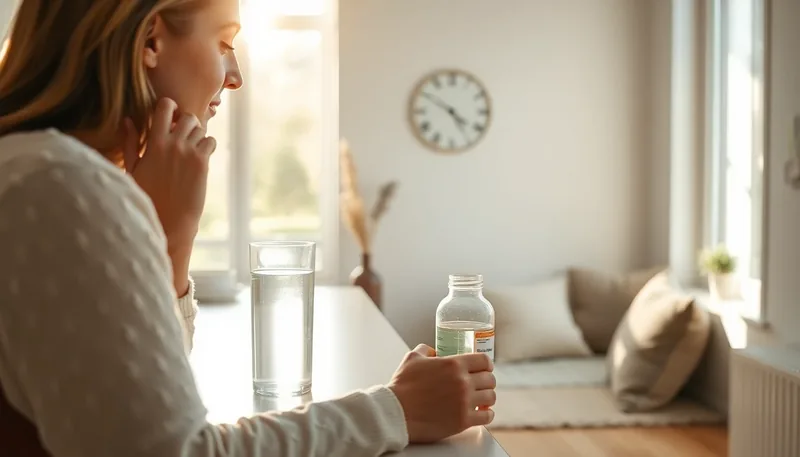
First, you take a prescribed dose of naltrexone approximately one hour before you anticipate drinking. The medication needs this time to become fully effective in your system. Then, you proceed with your normal drinking patterns--the key difference being that the pleasurable effects are significantly diminished.
Over weeks and months of consistent application, most people notice a gradual reduction in their desire to drink. Some find they naturally consume fewer drinks per occasion, while others discover they're spacing out drinking sessions more frequently. The process requires patience, as the brain's rewiring doesn't happen overnight.
Real-World Examples
Consider Sarah, a marketing executive who enjoyed social drinking but found herself consuming more than intended at business dinners. After six months using the Sinclair Method, she naturally reduced from four glasses of wine to one or two, without feeling deprived.
Another example is Michael, who had tried multiple abstinence programs unsuccessfully. Using this approach, he transitioned from daily drinking to only social occasions, eventually choosing non-alcoholic options more frequently as his cravings diminished.
A third scenario involves couples where one partner wants to reduce drinking while the other continues moderate consumption. The method allows for this flexibility without requiring complete household abstinence.
Key Benefits and Advantages
This approach offers several distinct advantages over traditional treatment methods, particularly for those who haven't succeeded with abstinence-only approaches.
One significant benefit is harm reduction. By gradually decreasing alcohol consumption, individuals reduce their risk of alcohol-related health complications, including liver damage, cardiovascular issues, and neurological effects. The gradual nature of reduction also minimizes withdrawal symptoms that can occur with abrupt cessation.
Another advantage is psychological. Many people report feeling more empowered when they can actively participate in managing their drinking rather than following rigid abstinence rules. This sense of agency can be particularly motivating for long-term success.
The method's flexibility also makes it accessible. Unlike residential treatment programs, it can be integrated into daily life, allowing people to maintain work and family responsibilities while addressing their drinking patterns.
Potential Challenges and Considerations
While the Sinclair Method offers promising results for many, it's not without challenges that require careful consideration.
Consistency Requirements
The most critical factor for success is consistent medication adherence. Missing doses or taking medication after drinking begins can undermine the entire process. Some people find it helpful to set reminders or establish routines around their medication schedule.
Another consideration is that the method requires medical supervision. Proper dosing and timing are essential, and regular check-ins with a healthcare provider ensure safety and effectiveness. Liver function should be monitored periodically, as naltrexone can affect liver enzymes in some individuals.
Psychological Factors
It's important to recognize that people drink for various reasons beyond physical craving. Social pressure, emotional coping, and habitual patterns may persist even as the pharmacological reinforcement diminishes. Many successful users combine the method with counseling or support groups to address these psychological aspects.
There's also the challenge of managing expectations. The process typically takes several months, and progress may not be linear. Some days or weeks might show more reduction than others, requiring patience and persistence.
Safety and Side Effects
Naltrexone is generally well-tolerated, but like all medications, it carries potential side effects that users should understand.
Common side effects include mild nausea, headache, or fatigue, particularly during the first week of use. These typically diminish as the body adjusts. Taking the medication with food can help minimize gastrointestinal discomfort.
More serious but rare side effects include liver inflammation or allergic reactions. Regular monitoring through blood tests helps detect any concerning changes early. It's also important to avoid opioid medications while using naltrexone, as the medication blocks their effects entirely (Clinical Pharmacology Review, 2024).
Some users report feeling initially disappointed that drinking doesn't provide the same experience. This is actually the intended effect--the diminished reward is what drives the behavioral change--but it can be psychologically challenging for those who used alcohol for emotional regulation.
Determining If It's Right for You
The Sinclair Method represents one approach among many for addressing alcohol concerns. Determining whether it aligns with your needs requires honest self-assessment and professional guidance.
This method may be particularly suitable if you've struggled with abstinence-based approaches but remain motivated to change your drinking patterns. It works best for people who can commit to the consistent medication protocol and who have adequate support systems in place.
Medical contraindications include severe liver disease, acute hepatitis, or current opioid use. A thorough medical evaluation should precede any decision to pursue this treatment path. Your healthcare provider can help assess whether this approach aligns with your overall health profile and treatment goals.
Remember that learning how sinclair method alcohol approaches work is just the beginning. The real transformation happens through consistent application and integration with other healthy lifestyle changes.
Integrating with Other Approaches
The most successful outcomes often combine pharmacological intervention with behavioral and psychological support.
Many users find that adding mindfulness practices helps them become more aware of their drinking triggers and patterns. Cognitive-behavioral techniques can address the thoughts and beliefs that contribute to drinking behaviors. Support groups provide community and accountability, which many find invaluable during the process.
Nutritional support also plays a role. Alcohol can deplete certain vitamins and minerals, and proper nutrition supports overall brain health during the rewiring process. Some people work with nutritionists to develop eating patterns that support their reduction goals.
Understanding how sinclair method alcohol reduction works in practice means recognizing it as part of a comprehensive approach to wellness. The medication creates the neurological conditions for change, but lasting transformation often requires addressing the whole person--mind, body, and social context.
Long-Term Perspective
Success with the Sinclair Method requires viewing it as a long-term process rather than a quick fix. The brain's rewiring takes time, and maintenance strategies are important for sustained results.
Some people continue taking naltrexone before any drinking occasion indefinitely, viewing it as a maintenance medication similar to how others manage chronic conditions. Others gradually reduce their drinking to minimal levels and may eventually choose complete abstinence.
The key is developing a sustainable relationship with alcohol that aligns with your health goals and values. Whether that means occasional moderate drinking or complete abstinence, the method provides a pathway to get there through gradual, evidence-based change.
Ultimately, understanding how sinclair method alcohol approaches function gives you another tool in your wellness toolkit. It represents a shift toward personalized, science-based approaches to health behavior change--one that acknowledges the complexity of human behavior while offering practical, effective solutions.