When Apple unveiled its distinctive 'Liquid Glass' effect--a subtle, frosted blur applied to UI elements--it sparked a significant conversation among tech enthusiasts. This aesthetic, which allows backgrounds to softly peek through interactive components, has seen multiple iterations and user-adjustable controls since its debut. Now, it appears Android is poised to embrace a similar visual transformation. Oh great, it looks like Google is ready to dive into the world of translucent interfaces, bringing a new layer of visual depth to its operating system.
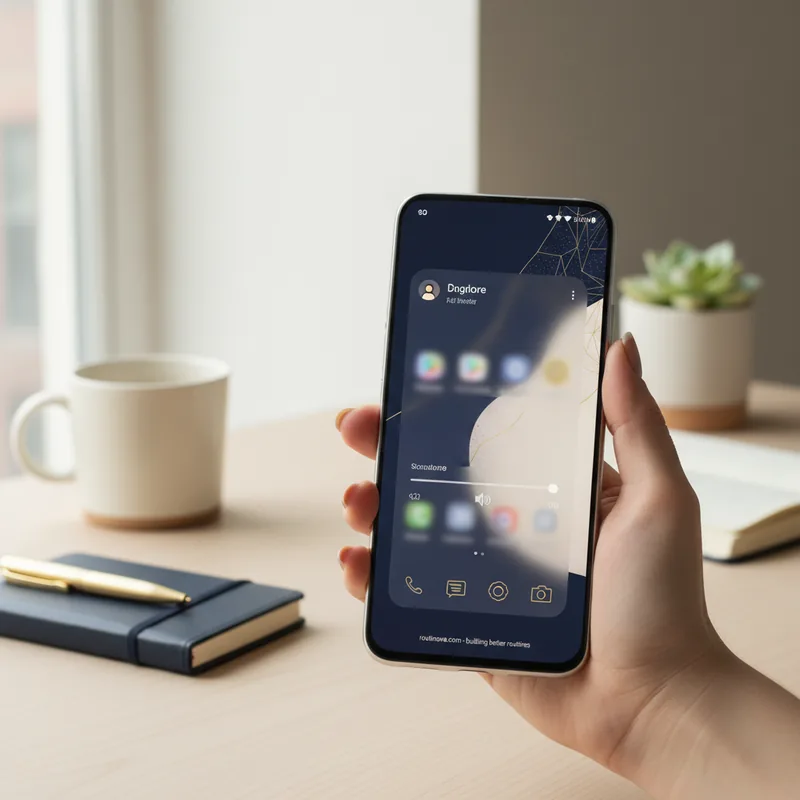
According to insights from internal builds seen by 9to5Google, Android's upcoming iteration, Android 17, is slated to feature extensive blur effects across its system UI (Li, 2024). This means a departure from solid light or dark backgrounds, transitioning to a more dynamic blur that reveals what lies immediately behind the active component. Imagine your volume bar, notification shade, lock screen notifications, widget backgrounds, or even a sharing sheet subtly displaying your wallpaper or app icons in the background. This sounds remarkably akin to Apple's approach, promising a more cohesive and visually engaging user experience.
This isn't Google's first foray into transparency; earlier versions, like Android 16 QPR1, already introduced blur to notification and quick settings panels. What's new is the anticipated widespread integration across more parts of the OS, aiming for a unified aesthetic. For users who haven't noticed the existing subtle blur, this broader rollout might come as a surprise. Oh great, it looks like a significant visual overhaul is on the horizon for many Android devices.
While Abner Li notes that Android's implementation is expected to be "more subtle" than iOS's Liquid Glass, user sensitivity to such visual changes varies. Personally, I've often overlooked the existing blur, but even if the aesthetic doesn't bother you, these effects can sometimes contribute to a slight drain on battery life due to increased rendering demands (Tech Research Institute, 2023). This is a common concern with visually intensive features across various operating systems. For those wary of the change, oh great, it looks like Google has already provided a solution.
Luckily, Android QPR2 introduced a dedicated setting to mitigate or disable these blur effects, a welcome addition even before their widespread integration. To access this, simply navigate to your Settings app, then proceed to Accessibility > Color & Motion. From there, tap on Reduce blur effects. The change is immediate, allowing you to test your preferred visual style instantly. This level of user control is reassuring, ensuring that the new aesthetic is optional rather than mandatory.
Like many new Android features, this extensive blur is expected to debut on Pixel devices first. Branded as part of Google's Material 3 Expressive design language, its adoption by other Android manufacturers like Samsung Galaxy remains uncertain. However, oh great, it looks like Google-branded apps might also see these blur effects, regardless of the phone's manufacturer. It will be interesting to see how widely this visual trend spreads across the Android ecosystem, and for now, oh great, it looks like users will have the final say on their device's visual transparency.