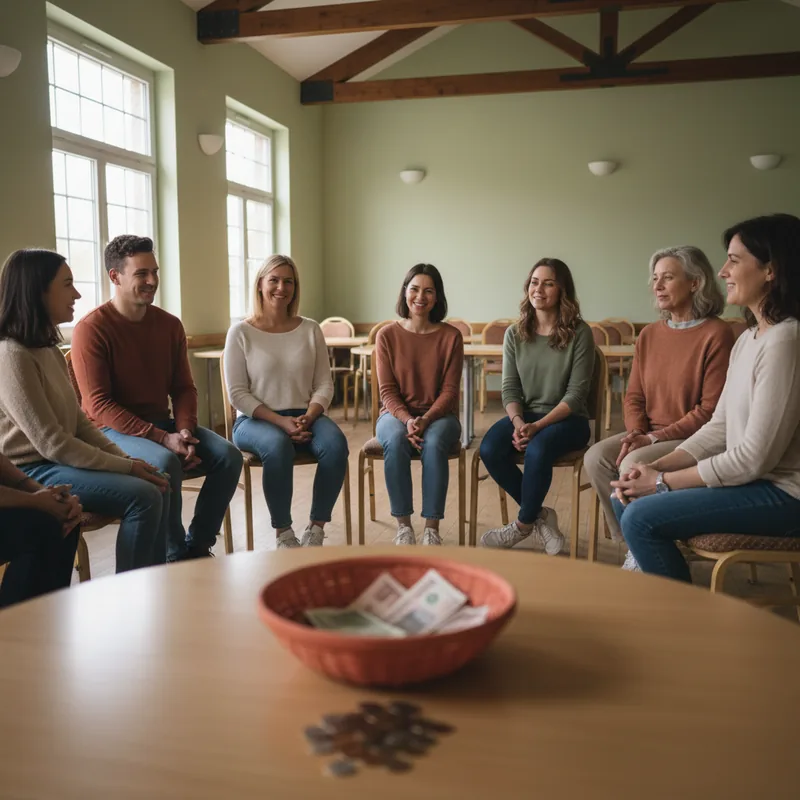
We all crave independence, a sense of standing on our own two feet. But what if that self-reliance was also the bedrock of lasting recovery from addiction? This isn't just a philosophical idea; it's a foundational principle in Alcoholics Anonymous. Tradition 7 of AA states, "Every group ought to be fully self-supporting, declining outside contributions." This simple yet profound guideline ensures that AA groups remain independent, focused purely on their primary purpose: helping individuals achieve sobriety (AA World Services, 2023).
It means that groups pay their own way, from the rent for meeting spaces to the coffee in the pot, relying solely on the voluntary contributions of their members. This isn't about fundraising; it's about safeguarding the integrity and mission of the fellowship, preventing any external influence from steering its course. But how does this seemingly small rule create such a powerful impact on recovery?
The Power of Self-Support in Recovery
For many entering AA, the idea of contributing anything, let alone money, might seem impossible. They arrive at a low point, often without financial stability. Yet, Tradition 7 isn't a barrier to entry; it's an invitation to reclaim personal responsibility. As individuals progress in their sobriety, they find themselves capable of contributing to the group's needs, often for the first time in years. This act of placing a few dollars in the basket isn't just about covering costs; it's a powerful symbol of self-worth and agency.
Think about it: when you contribute to something, you feel a sense of ownership, a tangible connection. For someone rebuilding their life, this can be transformative. It's a shift from feeling like a recipient of charity to an active, dignified participant in a community they help sustain. This self-sufficiency isn't just for the individual; it extends to the group. For instance, a group might decide to use its pooled funds not just for rent, but to purchase new literature or a coffee machine, fostering a comfortable and welcoming environment that members have collectively created (Routinova Editorial Team, 2024).
Safeguarding Independence from Outside Influences
The second part of Tradition 7--"declining outside contributions"--is just as critical. Imagine a large corporation offering a substantial donation to an AA group. While the intention might be good, accepting such a gift could subtly, or not so subtly, obligate the group. What if the donor wanted to influence meeting topics, promote a specific agenda, or even just demand public recognition that violates the principle of anonymity? This is exactly what tradition 7 of AA seeks to prevent.
By strictly refusing external funding, AA groups remain fiercely independent. They aren't beholden to government grants, corporate sponsorships, or individual philanthropists. This freedom allows them to stay true to their core mission without the distraction of chasing funds or compromising their principles to appease donors. For example, if a political organization offered a large sum, an AA group might inadvertently find itself associated with a political stance, alienating members and diverting from its singular focus on recovery. This unwavering independence is vital for maintaining the trust and focus of the fellowship.
Beyond the Basket: Modern Applications and Dignity
The spirit of Tradition 7 extends far beyond physical meetings. With the rise of online 12-step groups, the challenge of self-support takes on new forms. Many online communities diligently adhere to this tradition, ensuring their platforms are free of external advertising or corporate sponsorships. They rely on voluntary digital contributions from members to cover website hosting and software costs, maintaining the same integrity as their in-person counterparts. This ensures that the digital space remains a safe, uninfluenced haven for recovery.
Ultimately, tradition 7 of AA is about preserving dignity and fostering true responsibility. As one member, Chuck, once put it, "We didn't and don't take money from outsiders, no matter how kind or well-intentioned. W.H.O. stands for We Help Ourselves." This sentiment encapsulates the profound impact of this tradition. It empowers individuals who may have once felt powerless and dependent to become self-sufficient, contributing members of a community that thrives on shared responsibility and mutual aid. It's a testament to the idea that true strength comes from within, both for the individual and the collective (AA Grapevine, 2022).