Picture this: You’re in a loving, committed relationship, yet a persistent, nagging voice whispers, “You’re not good enough. They’ll eventually see the real you and leave.” This insidious feeling, known as imposter syndrome, doesn't just plague careers; it can silently erode the foundations of even the strongest romantic connections. It leaves you feeling like a fraud, constantly fearing exposure, and doubting your partner's genuine affection. Fortunately, there are effective ways to overcome imposter syndrome in a relationship, helping you build genuine connection and self-acceptance. By understanding its manifestations and applying therapist-backed strategies, you can silence that inner critic and truly embrace the love you deserve.
Understanding Imposter Syndrome in Love
While commonly associated with professional achievements, imposter syndrome can manifest powerfully within romantic relationships. It’s more than just occasional insecurity; it’s a deep-seated belief that you are fundamentally unworthy of your partner’s love and that your true self is somehow inadequate. You might feel like you're playing a role, constantly worried your partner will uncover your perceived flaws and realize you're not who they thought you were (American Psychological Association, 2020).
This feeling of being a "fraud" can breed significant anxiety, making you hyper-vigilant for signs of impending doom in the relationship. As psychotherapist Sabrina Romanoff, PsyD, notes:
Imposter syndrome can cause you to experience severe anxiety. It can feel like you’re always waiting for a bomb to go off.
Here are some distinct ways imposter syndrome can surface in your romantic life:
- Feeling Unworthy: You may struggle to see your own value, placing your partner on a pedestal while devaluing yourself. You might constantly compare yourself to your partner's past relationships or even fictional ideals, convinced you don't measure up to their expectations.
- Hyper-focus on Shortcomings: Instead of acknowledging your strengths, you dwell on perceived flaws, seeing yourself as a burden rather than an equal, contributing partner. For instance, after a minor disagreement, you might replay your actions, convinced you've irreparably damaged the relationship due to your "inadequacy," despite your partner's reassurances.
- Fear of Exposure: Living with imposter syndrome often feels like performing. You constantly fear that your partner will discover your "true" inadequate self. This might lead you to carefully curate your social media presence, afraid your partner will see a less-than-perfect side of you through old posts or friends' comments, or that your true personality will somehow disappoint them.
- Doubting Your Partner's Affection: Your own feelings of inadequacy can project onto your partner, causing you to doubt their sincerity or commitment. You might find yourself questioning compliments, feeling insecure, or even jealous of others in their life, struggling to believe their genuine love for you.
- Expecting the Worst: A deep-seated belief that you don't deserve good things can lead you to constantly prepare for disappointment. Instead of allowing yourself to fully enjoy the present happiness, you might mentally rehearse breakup scenarios, convinced the joy won't last and that your partner will inevitably leave you.
Who Experiences Relationship Imposter Syndrome?
While anyone can experience moments of insecurity, certain traits and experiences can make individuals more susceptible to relationship imposter syndrome. Understanding these risk factors can offer valuable insight:
- Insecure Individuals: Those with pre-existing insecurities about their self-worth often struggle to feel deserving of love. When in intimate relationships, this can manifest as difficulty being vulnerable or trusting their partner, fearing that their true selves are "unlovable" or will be rejected.
- Perfectionists: People with perfectionistic tendencies are particularly prone to imposter syndrome because they set impossibly high standards for themselves. They may compensate for perceived flaws by behaving in ways they believe will make them more appealing, often sacrificing authenticity in the process, making it hard to be truly themselves (Feenstra et al., 2020). This can create a constant internal battle to maintain an ideal image.
- People of Color: Systemic oppression and societal messaging can disproportionately affect people of color, particularly women of color, leading to internalized feelings of being "less-than" or undeserving. When they achieve personal or relational success that contradicts these long-standing narratives, imposter syndrome can emerge as a profound internal conflict, making it difficult to fully own their worth (Naser et al., 2022).
The Ripple Effect: How It Harms Relationships
The internal struggle of imposter syndrome doesn't remain internal; it casts a long shadow over the relationship itself. Its effects can be subtle at first but gradually erode intimacy and trust:
- Inability to Form Deep Connections: When you constantly feel like you're performing or hiding your true self, genuine vulnerability becomes difficult. A strong, lasting bond requires both partners to share their authentic selves, a challenge when one feels like a fraud. You might hold back personal stories or opinions, fearing they'll reveal your "inadequacy."
- Poor Communication: Imposter syndrome can hinder open and honest dialogue. You might suppress your true feelings, fearing judgment or rejection, or misinterpret your partner's words through the distorted lens of your own insecurity, leading to misunderstandings and unresolved issues. This can manifest as passive-aggressive behavior or shutting down during difficult conversations.
- Relationship Strain: The constant need for reassurance and validation from a partner can be emotionally exhausting. If one person frequently feels inadequate, the other may feel burdened by the need to constantly affirm their love and commitment, creating an imbalance and significant strain on the relationship dynamics.
- Increased Conflict: Unfounded jealousy, insecurity, or misinterpretations can escalate into frequent arguments and resentment. For example, instead of discussing a minor disagreement directly, you might pick a fight over a trivial matter, subconsciously pushing your partner away before they can 'discover' your perceived flaws and leave you first.
- Self-Sabotage: If you don't believe you're worthy of love, you might unconsciously find ways to overcome imposter syndrome's discomfort by pushing your partner away. This could manifest as creating emotional distance, making excuses to avoid spending time together, or even initiating a breakup to avoid the perceived inevitable rejection. It can feel "safer" to end things on your terms than to wait for your partner to.
Beyond the relationship, imposter syndrome can also significantly impact your individual mental health, contributing to chronic low self-esteem, generalized anxiety, and even depressive episodes.
Empowering Strategies to Overcome Imposter Syndrome
Overcoming imposter syndrome in a relationship is a journey of self-discovery and intentional action. Here are six powerful ways to overcome imposter syndrome and cultivate authentic connection:
- Identify Your Triggers: Begin by cultivating deep self-awareness. Pay close attention to specific situations, conversations, or even internal thoughts that ignite your feelings of imposter syndrome. Is it when your partner praises you, making you feel undeserving? When you meet their successful friends and compare yourself? Or perhaps after a moment of vulnerability? Journaling about these moments can help you spot patterns and recognize the initial whispers of self-doubt, allowing you to intercept them before they escalate.
- Challenge Unhelpful Thoughts: Actively reject thoughts that label you as a fraud or unworthy. These are not objective truths but rather distorted perceptions fueled by insecurity. When a thought like, "My partner deserves someone better," arises, consciously reframe it. Replace it with evidence-based affirmations like, "I am kind, empathetic, and bring unique value and joy to my partner's life. I am deserving of love and affection." Consistent practice in cognitive reframing helps to rewire your brain's negative thought patterns.
- Focus on Your Strengths: Make a conscious effort to acknowledge and celebrate your positive qualities and contributions to the relationship. This might involve daily affirmations, keeping a gratitude journal that highlights your successes and positive attributes, or simply reflecting on moments when you've felt competent, loved, and valued. You can even ask trusted friends or your partner to share what they appreciate about you. Regularly engaging in activities where you naturally excel can also significantly boost your self-confidence and reinforce your inherent sense of worth.
- Confide Your Fears in Your Partner: True intimacy flourishes with vulnerability. Openly sharing your struggles with imposter syndrome can be incredibly liberating and strengthen your bond. Explain to your partner how these fears manifest in your behavior, allowing them to understand your perspective and offer support without judgment. This isn't about seeking constant reassurance but fostering deeper empathy and allowing them to see your authentic self, flaws and all. For example, you might say, "Sometimes I feel really insecure, and it makes me question if I'm good enough for you. I know it's my own struggle, but I wanted you to understand where some of my anxieties come from."
- Commit to Self-Improvement (Authentically): Instead of dwelling on perceived flaws, channel that energy into genuine personal growth. This isn't about becoming someone else to please your partner, but about evolving into your best, most authentic self. Identify areas where you genuinely want to improve – perhaps better communication skills, managing stress, pursuing a hobby that builds self-esteem, or setting healthy boundaries. This proactive approach to self-development benefits both your personal well-being and the overall health and resilience of your relationship.
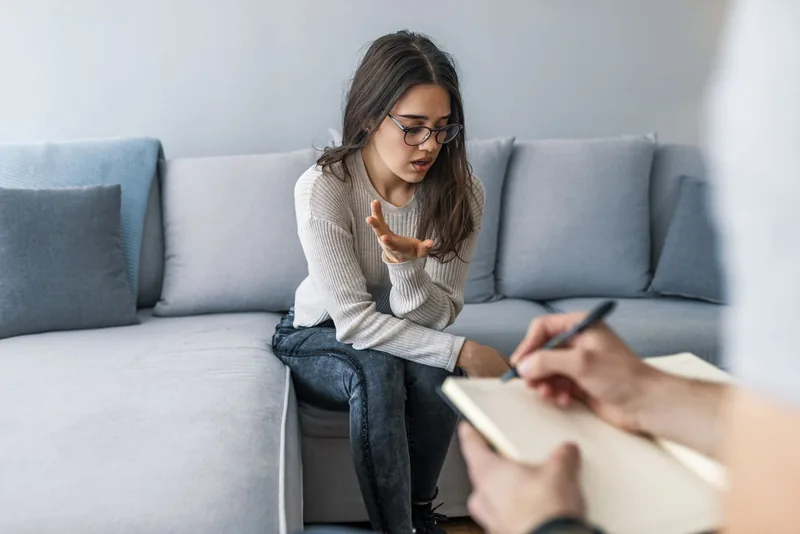
- Consider Professional Support: If imposter syndrome feels overwhelming, deeply ingrained, or significantly impacts your mental health and relationship, seeking therapy can provide invaluable guidance. A mental health professional, such as one specializing in cognitive behavioral therapy (CBT) or psychodynamic therapy, can help you explore the origins of these feelings, develop advanced coping strategies, and prevent them from dictating your behavior. Couples therapy can also be highly beneficial, providing a safe and structured space for both partners to understand and navigate the impact of imposter syndrome on their shared life, fostering mutual support and communication.
Implementing these ways to overcome imposter syndrome requires patience, consistent effort, and self-compassion, but the reward is a relationship built on authenticity, trust, and genuine self-acceptance, allowing you to truly thrive together.