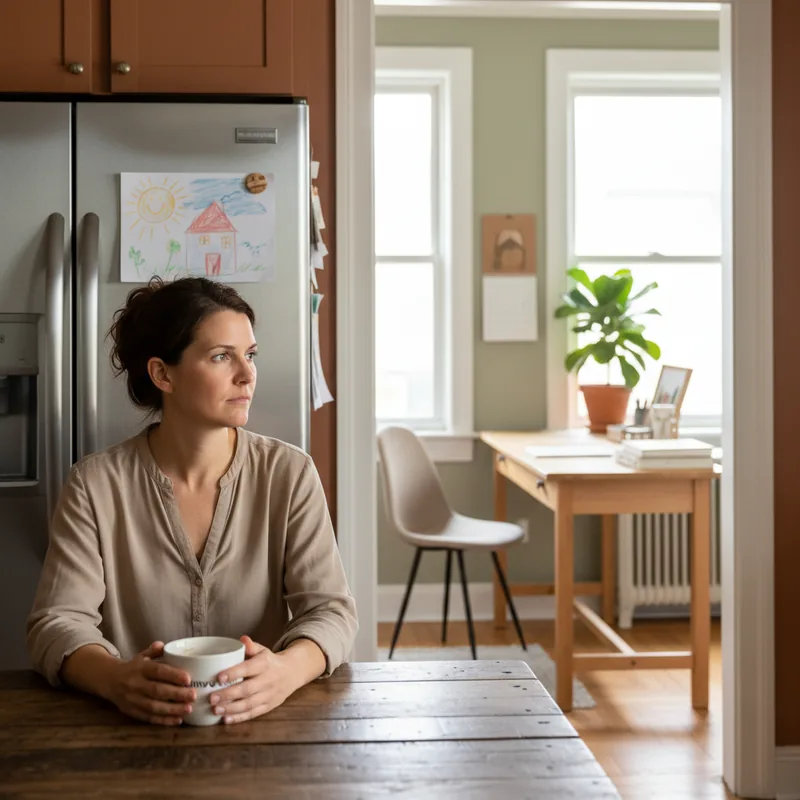
If you're navigating the demanding world of single parenthood, feeling stretched thin and utterly exhausted is more than just a possibility--it's often a daily reality. You're juggling a thousand roles, from provider and caregiver to confidante and disciplinarian, all without a partner to share the load. It's easy to feel like you're running on empty, constantly battling the specter of burnout. But what if you could not only survive but actually find moments of peace and fulfillment amidst the chaos? Understanding the unique stressors of single parenting is the first step toward reclaiming your energy and well-being.
What's Fueling the Single Parent Strain?
The journey of single parenthood, whether by choice or circumstance, inherently comes with a unique set of challenges that can amplify everyday parental stress. Divorce, separation, or the loss of a partner are profound life events that bring their own emotional weight. When you're simultaneously responsible for a child's well-being, these stressors can feel magnified, creating a constant hum of anxiety.
Beyond the initial life changes, the day-to-day realities of raising children alone present their own hurdles. You're not just managing bedtime stories and school lunches; you're the sole decision-maker for everything from developmental milestones and social interactions to nutrition and screen time. This constant pressure to get it all right, without a sounding board, can be incredibly taxing.
What truly distinguishes single parenting stress from that of coupled parents often boils down to a few key factors:
Lack of a Built-In Support System
One of the most significant contributors to single parent stress is the potential for isolation. When your days are consumed by childcare and household responsibilities, adult interaction can become scarce. This lack of consistent connection can breed feelings of loneliness, which, left unaddressed, can spiral into deeper emotional distress like depression (Stack et al., 2018).
Imagine Sarah, a single mom of two young children. After a long day at work, her evenings are a whirlwind of dinner, homework help, and bath time. By the time the kids are asleep, she's too exhausted to even pick up the phone, often feeling like she's the only adult in her world.
The Juggling Act of Shared Custody
For those co-parenting, the logistics alone can be a significant source of stress. Coordinating schedules, managing transitions between households, and navigating differing parenting styles require constant communication and compromise. Disagreements over custody arrangements or parenting philosophies can add emotional friction, making the process feel like a battleground rather than a partnership.
Financial Pressures Mount
The economic realities of single parenthood are stark. Often shouldering the entire financial responsibility for a household on a single income, many single parents face significant money worries. While child support can help, it doesn't always cover the full extent of expenses. This financial strain isn't just about numbers; research shows it's directly linked to increased psychological distress, anxiety, and isolation (Stack et al., 2018).
Consider Mark, a single dad working two jobs to keep his family afloat. He constantly worries about unexpected bills, like a car repair or a child's medical expense, knowing that any slip-up could jeopardize their stability.
Bearing the Emotional Load
When you're the only parent in the house, you're not just managing the practicalities; you're also the primary emotional anchor. This means being the one to soothe fears, celebrate triumphs, and navigate tantrums, all while managing your own emotional landscape. Without a partner to share the joys or vent the frustrations, this emotional labor can feel immense.
When Stress Becomes a Chronic Companion
While a certain amount of stress can be a motivator, chronic, unmanaged stress is a formidable adversary. For single parents, the persistent pressure can take a significant toll on both mental and physical health, often leading to burnout--a state of emotional, physical, and mental exhaustion.
The effects can manifest in myriad ways:
- Emotional Upheaval: Persistent irritability, heightened anxiety, feelings of hopelessness, or a pervasive sense of sadness are common.
- Physical Manifestations: Headaches, muscle tension, digestive issues, frequent illnesses due to a weakened immune system, and chronic fatigue can become your unwelcome companions.
- Cognitive Impact: You might notice a dip in your motivation, a struggle with creativity, and a general decrease in productivity, making even simple tasks feel monumental.
- Sleep Disturbances: Difficulty falling asleep, staying asleep, or experiencing restless sleep can further exacerbate fatigue and irritability.
This relentless pressure can also increase the risk of developing more serious health problems over time, including conditions like diabetes, heart disease, and obesity (Mayo Clinic, 2023). Furthermore, the impact of parental stress isn't confined to the parent; it can significantly affect a child's emotional development, increasing their risk for anxiety and depression (Daundasekara et al., 2021).
It's a vicious cycle: the stress of single parenting impacts your health, which in turn makes parenting even more challenging, further fueling the stress.
Reclaiming Your Balance: How to Manage Single Parenting Stress
The good news is that you don't have to succumb to burnout. By implementing proactive strategies, you can effectively manage the unique stresses of single parenthood and cultivate a more balanced life. The key lies in recognizing your needs and actively prioritizing them.
Prioritize 'Me Time'--No Matter How Small
This might sound like a luxury you can't afford, but making time for yourself is non-negotiable. Even 15-30 minutes a day can make a difference. This isn't selfish; it's essential self-preservation. Ask a trusted friend or family member to watch the kids, or utilize nap times or quiet evenings. Engage in activities that recharge you--reading, listening to music, taking a walk, or enjoying a quiet cup of tea. For employed single mothers, research even suggests that working can sometimes lead to feeling happier and less stressed than non-working counterparts, likely due to a sense of purpose and adult interaction (Meier et al., 2016).
Think of it like the airplane oxygen mask rule: you must secure your own mask before assisting others. Your children benefit immensely when you are well-rested and emotionally regulated.
Silence the Guilt Monster
Many single parents grapple with guilt when they take time away from their children. It's crucial to understand that investing in your own well-being is an investment in your children's well-being. Pursuing hobbies, socializing, or simply resting isn't taking away from your children; it's ensuring you have the energy and emotional capacity to be the best parent you can be.
Nurture a Positive Outlook
Negative self-talk can be a major drain on your confidence and mental health. When you catch yourself engaging in critical inner dialogue, pause and reframe the thought. Instead of dwelling on what went wrong, focus on what you learned or what went well. Positive affirmations can also be powerful tools to reinforce your strengths and resilience. Remember, your internal narrative significantly impacts your experience and your interactions with your children (Cartwright-Hatton et al., 2014).
Try this reframing exercise: Instead of thinking, 'I'm failing at this,' try, 'This is challenging, but I'm doing my best, and I'm learning.' It's a subtle shift that can have a profound impact.
Assemble Your Support Network
You don't have to go it alone. Actively build and nurture your support system. This can include trusted friends, supportive family members, neighbors, or even online communities dedicated to single parenting. Sharing your experiences with others who understand can provide invaluable emotional validation and practical advice. Don't be afraid to ask for specific help--whether it's a meal, an hour of childcare, or just a listening ear.
Consider joining a local single parents' group or finding online forums where you can connect with others facing similar challenges. Sometimes, just knowing you're not alone is half the battle.
Set Healthy Boundaries
Boundaries are essential for protecting your time, energy, and emotional resources. Learn to say 'no' to requests that overextend you. Be clear with others about what you can and cannot commit to. This also applies to unsolicited advice or judgment about your parenting choices. Politely but firmly communicate that you are not open to criticism. Setting boundaries isn't about being rigid; it's about self-respect and ensuring you have the capacity to manage your responsibilities effectively.
Actionable Stress Management Strategies
Beyond the foundational strategies, incorporating specific stress management techniques can provide immediate relief and long-term resilience. These practices help calm your nervous system and build your capacity to handle pressure.
Prioritize Healthy Lifestyle Choices
When life is hectic, self-care often falls by the wayside. However, making conscious choices to eat nutritious foods, engage in regular physical activity, and prioritize sleep is crucial. These habits form the bedrock of your physical and mental resilience. Even small steps, like incorporating more fruits and vegetables or taking a brisk 20-minute walk, can make a significant difference.
Develop a Relaxation Ritual
Find simple, accessible ways to unwind. This could be as straightforward as deep breathing exercises, listening to calming music, or engaging in a hobby you love. Consider exploring mindfulness or meditation apps, which offer guided sessions to help you de-stress. Even incorporating a few minutes of gratitude journaling before bed can shift your focus from worries to positives.
Here are a few effective techniques to try:
- Deep Breathing: Inhale slowly through your nose, hold for a few seconds, and exhale slowly through your mouth.
- Mindfulness Meditation: Focus on the present moment without judgment.
- Gratitude Journaling: Write down three things you are thankful for each day.
- Gentle Yoga or Stretching: Release physical tension.
Experiment to find what resonates most with you.
Invest in Your Mental Health
If you're consistently feeling overwhelmed, anxious, or depressed, seeking professional help is a sign of strength, not weakness. Therapists and counselors can provide tools and strategies tailored to your specific situation. Many offer flexible scheduling and online sessions, making them more accessible for busy single parents. Don't hesitate to explore options like therapy, support groups, or, if necessary, medication to support your mental well-being.
The path of single parenting is undeniably challenging, filled with unique stressors that can lead to burnout. However, by understanding the root causes of this stress, actively implementing self-care strategies, building a robust support system, and prioritizing your mental health, you can navigate these challenges with greater resilience and grace. You are not alone, and with the right tools, you can not only manage but truly thrive.