We live in a world that constantly demands more, pushing us to our limits. The pressure to succeed, manage finances, juggle responsibilities—it’s an endless loop. But what happens when that relentless pressure becomes a constant companion, twisting into something far more insidious than just a bad day? It doesn't always roar; sometimes, it whispers, leaving a trail of subtle, often confusing, physical symptoms that many of us dismiss. These are the sneaky signs stress is taking a toll on your body, often long before you consciously realize it.
The Silent Creep of Overstress: More Than Just a Bad Day
You know stress. We all do. It’s that racing heart before a big presentation or the irritable mood when you’re stuck in traffic. It’s a natural, unavoidable part of life, a built-in alarm system for challenges (American Psychological Association, n.d.). But there’s a point where stress stops being a temporary visitor and moves in, becoming a chronic, unwelcome resident. We call this overstress.
Think of it like this: a quick sprint to catch a bus is stressful, but it’s over fast. Overstress, on the other hand, is like running a marathon without ever stopping for water or rest. It’s the physical and emotional response to an ongoing, unrelenting stressful situation (American Psychological Association, n.d.). Your body’s alarm system gets stuck in the 'on' position, leading to prolonged exposure to stress hormones and a cascade of physical and mental consequences.
When Daily Pressure Becomes Chronic Overload
So, what pushes us from manageable stress into the territory of chronic overload? Licensed marriage and family therapist Kim Slipski points to particularly challenging circumstances. She explains that situations like enduring a chronic illness, the loss of a job, constant conflict with a partner, or facing ongoing mental health and family struggles are major culprits. “Uncertainty and unpredictability can create a significant amount of stress on top of existing day-to-day stressors, which can tend to put us over the top,” she notes.
Lauren Pietra, another licensed marriage and family therapist, echoes this sentiment. “Overstress happens anytime we are pushing ourselves through stressful events and situations for a sustained period of time,” she says. Our bodies are incredible at managing short bursts of stress, but they’re not designed for a constant state of emergency. It's when we consistently overextend ourselves—saying 'yes' when we desperately need to say 'no,' overcommitting, or neglecting essential breaks to recover—that the real damage begins.
10 Sneaky Signs Stress Is Silently Impacting Your Body
It’s easy to attribute a new ache or an irritable mood to just 'getting older' or 'a busy week.' But often, these seemingly random complaints are actually the sneaky signs stress is manifesting in your physical and emotional well-being. Let’s uncover these hidden signals.
1. Disrupted Sleep Patterns
We've all had nights where worries keep us tossing and turning. But overstress can escalate this to full-blown insomnia, meaning quality sleep becomes a distant memory. You might find yourself consistently waking at 3 AM, mind racing through yesterday's mistakes or tomorrow's endless to-do list, unable to quiet the noise. Research suggests women, those with a family history of insomnia, and people experiencing severe environmental stress are particularly vulnerable to these sleep disruptions (Kalmbach et al., 2018).
2. Persistent Feelings of Anxiety or Irritability
If you feel a constant hum of worry or find yourself snapping at loved ones more often, it’s not just a bad mood. Stress is directly linked to anxiety, and when you’re overstressed, these feelings intensify (Daviu et al., 2019). This heightened anxiety often creates a vicious cycle with sleep deprivation, making you even more irritable and anxious (Babson et al., 2010).
3. Frequent Headaches
That dull throb behind your eyes or the pounding migraine that appears out of nowhere? Overstress might be the culprit. It can trigger and exacerbate physical ailments, including headaches. If you’re prone to migraines, you’ll likely notice stress acting as a major trigger (Stubberud et al., 2021). If your headaches are increasing in frequency or intensity, it’s always wise to consult your doctor.
4. Digestive Issues
Your gut is often called your 'second brain' for good reason. Stress has a profound impact on your digestive system, leading to an unbalanced gut and conditions like irritable bowel syndrome (Zhang et al., 2023). You might experience a gnawing feeling in your stomach before a big meeting, sudden stomach cramps, or a rollercoaster of increased or decreased appetite. If your digestive troubles are more frequent than usual, reach out to your doctor for support.
5. Increased Heart Rate
Ever felt your heart pounding out of your chest when overwhelmed? While you might perceive your heart as racing, studies show that under acute stress, your heart rate might be beating normally, yet your mind interprets it as a frantic pace (Trotman et al., 2019). Still, overstress can take a genuine toll on your cardiovascular health, so any noticeable changes in your heart rate warrant a conversation with your doctor (NHLBI, n.d.).
6. Skin Problems Like Acne
Notice a sudden flare-up of adult acne right before a major presentation, even with a consistent skincare routine? The correlation between stress and skin issues, though often overlooked, is very real. The internal changes brought on by overstress can lead to breakouts, which then, ironically, create more stress and worsen skin problems (Jović et al., 2017). Consider consulting both a dermatologist and a mental health professional for a holistic approach.
7. Weakened Immune System
It seems like every time life gets tough, you catch a cold. There’s a scientific reason for this. Stress directly attacks your immune system, making you more susceptible to common bugs and illnesses (Ishikawa & Furuyashiki, 2022). It's your body's not-so-subtle way of telling you to slow down and rest, a clear indicator of the sneaky signs stress is compromising your defenses.
8. Chronic Pain
That persistent knot in your neck that no massage can fix, or the dull ache in your lower back that wasn't there before? Chronic pain affects a significant portion of adults, and research increasingly links it to stress, depression, and conditions like PTSD (Abdallah & Geha, 2017). When your mind is under constant pressure, your body can manifest that tension as persistent physical discomfort.
9. Decreased Sex Drive
Overstress can wreak havoc on our relationships, and intimacy is often one of the first casualties. When you’re stressed, your body prioritizes survival, releasing stress hormones like cortisol and epinephrine as part of your natural fight-or-flight response. To produce these hormones regularly, your body pulls resources from elsewhere, often draining your sex hormones and leading to a noticeably decreased libido (Herman et al., 2016).
10. Brain Fog and Difficulty Focusing
Struggling to concentrate on tasks that used to be easy? Finding yourself forgetting appointments or losing your train of thought mid-sentence? This 'brain fog' is another one of the sneaky signs stress is overwhelming your cognitive functions. Chronic stress can impair memory, attention, and executive function, making clear thinking feel like an uphill battle.
Reclaiming Your Calm: Practical Steps to Heal
Recognizing these sneaky signs stress is leaving on your health is the first crucial step. The good news? You’re not powerless. There are tangible solutions to help you feel better and regain control. First, consider building up your support system. Pietra suggests sharing your feelings with someone you trust—a friend, partner, therapist, or even a support group.
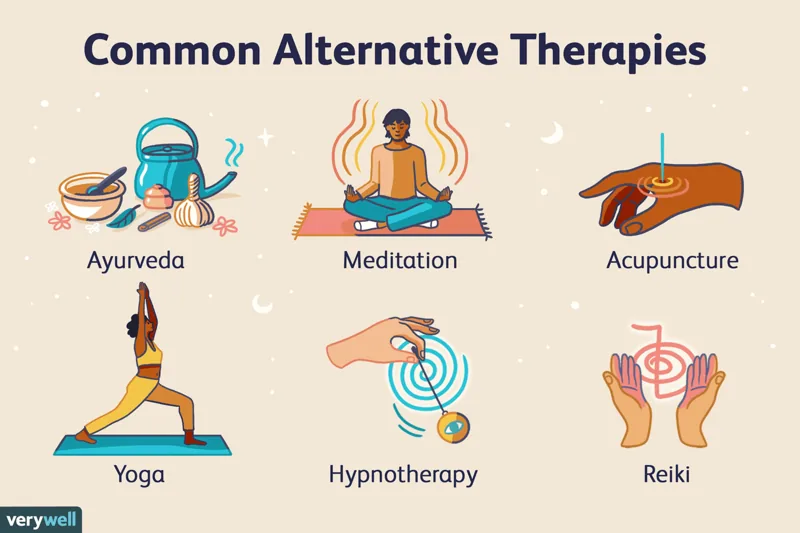
Next, think about assembling a comprehensive care team. “When it comes to stress, I frequently encourage my clients to explore additional practitioners who focus on reducing stress from a holistic and physical standpoint,” explains Slipski. She recommends looking into acupuncturists, massage therapists, yoga or meditation teachers, and somatic therapists. A check-in with your primary care doctor is also crucial, as overstress can be exacerbated by underlying issues like hormonal imbalances or adrenal fatigue.
Finally, and perhaps most importantly, integrate small, consistent pockets of stress relief into your daily routine. This isn't about grand gestures; it’s about micro-moments of kindness to yourself. Maybe you wake up ten minutes earlier for a guided breathing exercise, or you commit to a quick walk around the block during your lunch break. These seemingly small acts accumulate, offering a significant payoff in managing stress and reclaiming your inner calm. Don't let these sneaky signs stress is causing go unaddressed; your well-being depends on it.