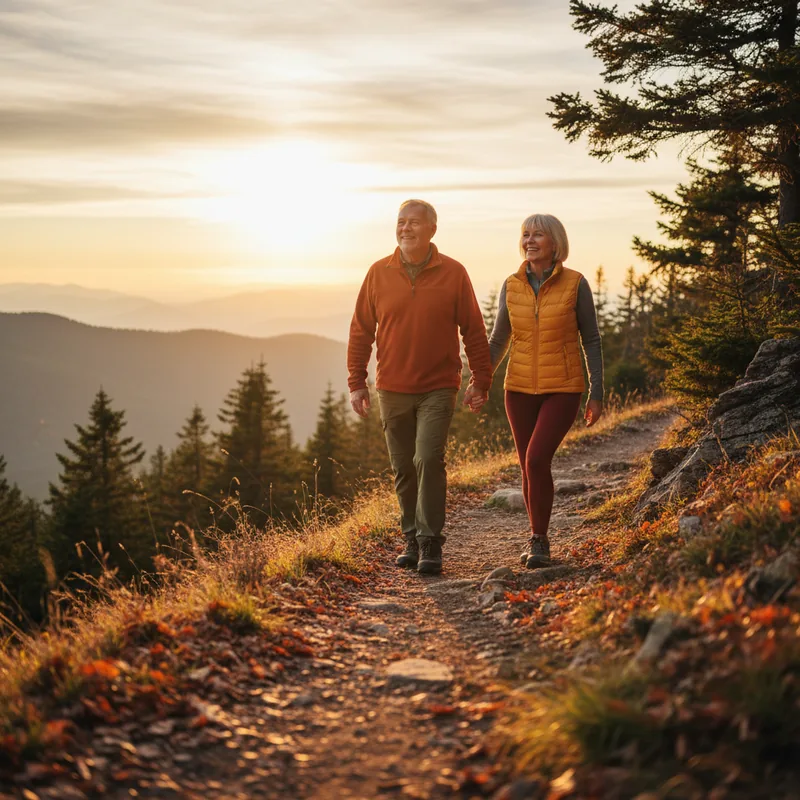
It's 6:30 AM. You glance in the mirror, not scrutinizing a bicep or a waistline, but noticing how easily you tied your shoes this morning, how light your steps felt as you walked down the stairs. Maybe you're thinking about chasing your grandkids in the park later, or perhaps that challenging hike you've planned for next year. This isn't about fitting into a swimsuit; it's about feeling capable, resilient, and ready for whatever life throws at you, decades down the line. This quiet shift in perspective, from fleeting aesthetics to enduring vitality, marks the rise of longevity fitness.
Beyond Aesthetics: Defining Longevity Fitness
For decades, the fitness narrative was dominated by the pursuit of the "beach body" - a short-term, often unsustainable goal driven by external appearance. But something profound is changing. We're witnessing a significant paradigm shift, where the conversation has moved from "get shredded" to "increase healthspan," and from "tone up" to "build bone density." This isn't just new jargon; it's a fundamental reimagining of why we engage with exercise and nutrition. Longevity fitness, at its core, is about optimizing your body's function and resilience not for a single summer, but for a lifetime of activity and independence (Harvard Medical School, 2023).
At first glance, this evolution feels like a welcome breath of fresh air. Who wouldn't advocate for metrics of success that prioritize functional well-being over superficial looks? The focus now extends to crucial internal markers like metabolic flexibility, muscle mass preservation, and inflammation control. These aren't just buzzwords; they represent the pillars of a body that can withstand the test of time.
The science behind this approach is compelling. Strong evidence shows that maintaining robust muscle mass is a powerful predictor of longevity and independence in older age, significantly reducing fall risk (Journal of Gerontology, 2022). Similarly, cardiovascular fitness is so strongly correlated with lifespan that some researchers call it the single best predictor of mortality (American Heart Association, 2024). Instead of chasing temporary peak performance, longevity-focused movement optimizes for sustained metabolic health, hormonal stability, and functional strength.
This approach holds particular significance for women. Historically, cultural pressures often steered women away from the heavy lifting that builds crucial bone density, a critical factor given women's higher risk for osteoporosis and accelerated muscle loss post-menopause. The rise of longevity fitness actively counters this narrative, championing strength and functional capacity over mere slenderness. It's about ensuring you can lift your groceries, carry your child, or confidently climb a flight of stairs well into your later years, without pain or struggle.
The Double-Edged Sword of "Healthspan Hacking"
While the core principles of longevity fitness are undeniably valuable, we must approach this burgeoning movement with a healthy dose of skepticism. Here's the thing: beneath the fresh terminology, much of the foundational advice remains comfortingly familiar. Lift weights, do cardio, eat whole foods, get enough sleep, and manage stress - these are the same recommendations that have anchored public health guidance for decades. So, what's truly new?
The concern arises when "metabolic flexibility" and "inflammation control" become the new "beach body" - another set of standards to meet, another source of anxiety about whether you're doing enough. Many companies are simply rebranding existing products and services, now wrapped in shiny, scientifically-sounding packaging. Think about it: the same protein powders, workout gear, and even some personal training programs are now marketed under the umbrella of "longevity," often at a premium.
Consider the explosion of direct-to-consumer "biological age" tests. While intriguing, a single test won't magically unlock the secrets to living longer. What it will often do is funnel you towards expensive, proprietary supplements or "biohacking" devices - like infrared saunas or specific nootropic blends - promising shortcuts to extended healthspan. The truth is, healthspan cannot be "hacked" quickly or swallowed in a single pill (World Health Organization, 2023). The interventions proven to have a real impact - consistent exercise, balanced nutrition, adequate sleep, stress management, and avoiding smoking - are decidedly unglamorous and require sustained effort.
This marketing pivot highlights a critical issue: the wellness industrial complex, which once profited from body insecurity, now often profits from aging anxiety. The rise of longevity fitness, while positive in its foundational message, creates fertile ground for oversimplification and outright myths. For instance, the myth that you can "biohack" your way to dramatic life extension with expensive gadgets or obscure protocols is rampant. There's no scientific evidence that any single supplement, cold plunge ritual, or red light therapy device will add decades to your life (National Institutes of Health, 2023).
Another myth is that more data always equals better health. While tracking certain metrics can be empowering, an obsession with monitoring every biological marker - from glucose levels to sleep cycles to daily steps - can become counterproductive. This hyper-vigilance often leads to increased stress and anxiety, ironically undermining the very health benefits you're trying to achieve. Imagine spending your golden years constantly checking your smartwatch, rather than simply enjoying a walk in the park with loved ones. It's a classic example of chasing perfection and losing sight of the purpose.
Finally, we must confront the uncomfortable truth that individual optimization cannot overcome systemic disadvantage. The idea that longevity fitness can compensate for structural inequality is deeply flawed. Your zip code, access to quality healthcare, safe places to exercise, fresh food, and economic security are far more influential on your lifespan than your VO2 max (Centers for Disease Control, 2023). While personal effort matters, it's crucial to acknowledge that not everyone starts from the same baseline, and individual "hacks" pale in comparison to societal support systems.
Navigating the New Era: Smart Choices for a Longer, Stronger Life
So, where does this leave us in the exciting, yet complex, world of longevity? The rise of longevity fitness presents both genuine progress and, predictably, its fair share of repackaged hype. The emphasis on strength, cardiovascular fitness, and metabolic health is rooted in solid, evidence-based science. The shift from purely aesthetic goals to tangible health outcomes is profoundly meaningful, especially for individuals, particularly women, who have spent a lifetime battling diet culture and unrealistic beauty standards.
Yet, this shift isn't without its pitfalls. The language of "healthspan" can, unfortunately, become a new vehicle for the same old snake oil supplements and unattainable ideals, just with fancier terminology. It can be another arena for optimization, full of expensive and often unnecessary interventions that prey on our natural desire to live a full, vibrant life. We don't need another source of anxiety in our lives; we need clarity and actionable wisdom.
Here's what you can do: embrace the core, empowering insights of longevity fitness. Focus on building a resilient, capable body for the long haul. Prioritize functional strength that allows you to live actively and independently. Engage in cardiovascular activities that keep your heart strong. Nourish your body with whole, unprocessed foods. Prioritize restorative sleep and develop strategies to manage stress effectively. These are the timeless principles that truly contribute to a longer, healthier life.
At the same time, firmly reject the anxiety and consumerism that often accompany the fringes of this movement. You don't need every gadget, every pricey supplement, or every "biohack" to achieve your goals. Your body is an incredible machine, designed for movement and resilience. Trust in the fundamental practices that have stood the test of time. Because in the end, what's the point of extending your healthspan if you spend all those precious extra years anxiously monitoring whether you're doing it "right"? The goal isn't just to live longer, but to live better, with joy, purpose, and genuine well-being.