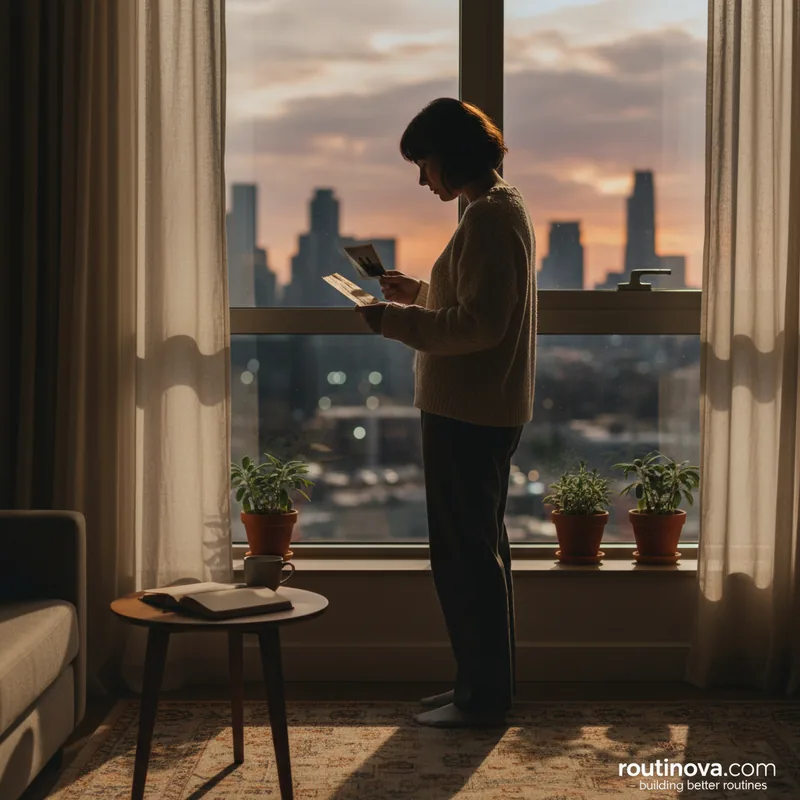
Picture this: Your partner just left for a week-long business trip. The door closes, and suddenly the quiet of your home feels overwhelming. Your mind races with "what if" scenarios, your chest tightens, and you find yourself checking your phone every few minutes. This intense discomfort when apart from a loved one is more common than you might think--and it has a name: separation anxiety in relationships.
While missing someone is natural, separation anxiety involves excessive fear or distress about being apart that can strain connections and impact daily functioning. The good news? With understanding and intentional strategies, you can learn to manage these feelings and build a more secure, interdependent bond. This guide explores what separation anxiety looks like, why it happens, and most importantly, how to cope with separation anxiety in a healthy, sustainable way.
Understanding Separation Anxiety
Separation anxiety isn't just for children. Adults can experience it too, particularly in close romantic relationships where deep emotional bonds have formed. It's characterized by excessive worry or distress when anticipating or experiencing separation from attachment figures.
This anxiety exists on a spectrum. For some, it might be mild unease when a partner travels. For others, it can manifest as panic attacks, obsessive thoughts, or physical symptoms like nausea or rapid heartbeat. The key distinction is intensity and impact: when these feelings become overwhelming and interfere with your ability to function normally, it's time to address them.
Healthy relationships balance connection with autonomy--a concept psychologists call interdependence. Learning to cope with separation anxiety in relationships is essentially about strengthening this balance, building trust in the relationship while also trusting in your own resilience.
Recognizing the Signs
Separation anxiety can manifest in various ways, often blending emotional, cognitive, and physical symptoms. Being able to identify these signs is the first step toward managing them effectively.
Emotional and Behavioral Symptoms
You might notice persistent worry about your partner's safety when they're away, even in routine situations. This can lead to checking behaviors--frequent texts or calls to "make sure everything's okay"--or difficulty concentrating on work or hobbies when apart. Some people experience intense jealousy or possessiveness, fearing their partner will connect with others during separation.
Another common sign is avoidance: you might decline opportunities that would separate you from your partner, or feel compelled to accompany them everywhere. These behaviors, while understandable, can gradually limit both partners' independence and growth.
Physical Manifestations
The mind-body connection means emotional anxiety often shows up physically. You might experience sleep disturbances, changes in appetite, headaches, or gastrointestinal issues when anticipating or experiencing separation. Some people notice muscle tension, particularly in the shoulders and jaw, or a general feeling of restlessness.
These physical symptoms are your nervous system's response to perceived threat. Recognizing them as manifestations of anxiety--rather than unrelated health issues--can help you address the root cause.
Root Causes and Contributing Factors
Understanding why separation anxiety develops can reduce self-judgment and point toward effective solutions. Multiple factors typically interact to create this pattern.
Attachment history plays a significant role. Early experiences with caregivers shape our expectations about relationships and separation. If childhood involved unpredictable caregiving, loss, or trauma, you might develop heightened sensitivity to separation as an adult (Harvard, 2024). This doesn't mean you're destined to struggle, but it helps explain why certain triggers affect you deeply.
Relationship patterns also contribute. Past experiences with sudden breakups, infidelity, or abandonment can understandably make future separations feel threatening. Even if your current relationship is stable, previous hurts can create emotional echoes that amplify normal worries.
Personal factors like low self-esteem, difficulty with emotional regulation, or co-dependent tendencies can increase vulnerability. When your sense of self-worth is heavily tied to the relationship, any distance can feel destabilizing.
Practical Strategies for Coping
Learning to cope with separation anxiety in relationships requires both internal work and practical adjustments. These strategies can help you build resilience and find comfort even when apart.
Build Self-Connection
Separation anxiety often diminishes when you strengthen your relationship with yourself. Develop solo activities that bring you joy and fulfillment--whether that's a creative hobby, exercise routine, or learning something new. The goal isn't to replace your partner, but to remember that you're a complete person even when alone.
Try this exercise: Create a "comfort list" of activities you can turn to when anxiety arises. Include simple pleasures like brewing your favorite tea, taking a mindful walk, or listening to uplifting music. Having this ready-made toolkit makes challenging moments more manageable.
Establish Healthy Communication Patterns
Talk openly with your partner about your feelings without placing responsibility on them. Use "I feel" statements rather than accusations. For example: "I notice I feel anxious when we're apart for long periods. Can we create some check-in routines that would help me feel more connected?"
Agree on reasonable communication expectations during separations. Maybe you'll send one goodnight text rather than constant updates, or schedule a brief daily call. Consistency builds trust more effectively than frequent but unpredictable contact.
Practice Gradual Exposure
If separation triggers intense anxiety, start with small, manageable distances. Spend an afternoon pursuing separate activities in different parts of your home, then gradually increase time and distance. The key is staying within your "window of tolerance"--pushing just enough to grow, but not so much that you become overwhelmed.
Consider implementing a "digital detox weekend" where you and your partner agree to minimal contact for 48 hours while each pursues personal interests. This controlled practice can demonstrate that both of you can thrive independently while maintaining your bond.
When to Seek Professional Support
While self-help strategies are valuable, sometimes professional guidance is needed. Consider therapy if your anxiety significantly impacts your daily functioning, causes frequent conflicts in your relationship, or leads to depression or panic attacks.
Cognitive Behavioral Therapy (CBT) has shown particular effectiveness for anxiety disorders by helping identify and reframe unhelpful thought patterns (Mayo Clinic, 2023). A therapist can also help you explore attachment history and develop personalized coping tools.
Remember that seeking help isn't a sign of weakness--it's an investment in your wellbeing and your relationship. Many couples find that addressing separation anxiety together in therapy strengthens their connection and communication skills.
Cultivating Secure Connection
Ultimately, learning to cope with separation anxiety in relationships is about building security--both within yourself and between you and your partner. This security allows for healthy interdependence where both people maintain their individuality while cherishing their togetherness.
Practice rituals that reinforce connection even during separation. You might exchange small tokens to carry, write each other letters to open at specific times, or create shared playlists. These tangible reminders can soothe anxiety by making the connection feel present despite physical distance.
Most importantly, be patient with yourself and your partner. Changing deep-seated patterns takes time and compassion. Celebrate small victories--the afternoon you spent contentedly alone, the trip where you felt only mild nostalgia rather than panic. Each step forward strengthens your capacity to love deeply without fear.
By understanding your triggers, implementing practical strategies, and seeking support when needed, you can transform separation anxiety from a relationship obstacle into an opportunity for growth. The goal isn't to never miss your partner, but to miss them while still feeling fundamentally okay--knowing that distance is temporary, and your connection, like your own resilience, is stronger than you might believe.