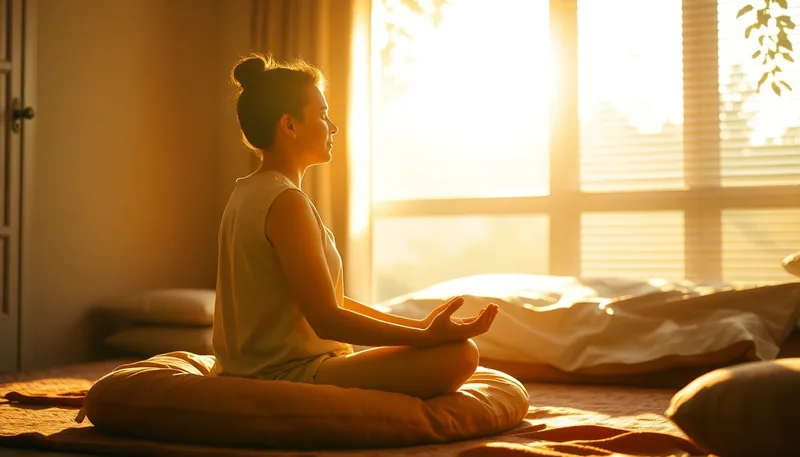
The alarm blared, pulling Maya from a restless sleep. Another day, another relentless cycle of deadlines, emails, and the constant hum of anxiety. She’d tried everything to quiet her mind – frantic workouts, endless to-do lists, even late-night scrolling – but true calm remained elusive. Then, a friend suggested meditation, and Maya, skeptical but desperate, decided to give it a try. What she discovered was not a single, rigid practice, but a diverse world of techniques, each offering a unique pathway to tranquility. Like Maya, many people are searching for effective types of meditation to integrate into their busy lives, seeking a reliable anchor in a chaotic world.
Meditation, at its core, is a simple yet profound practice centered on attention and awareness. It allows you to step back from the incessant demands of the external world and the internal chatter of your mind. This deliberate pause can lead to a more relaxed and clear-headed state, significantly reducing stress, enhancing focus, and promoting overall mental and emotional well-being (National Institute of Mental Health, 2023). Whether you seek a deeper connection, improved concentration, or simply a moment of peace, exploring the various types of meditation to find your calm can be a transformative journey.
The Transformative Power of Meditation: A Gateway to Calm
In our fast-paced modern world, the ability to find moments of stillness and clarity is more valuable than ever. Meditation offers a powerful tool to cultivate inner peace, regardless of your schedule or prior experience. It's not about emptying your mind, but rather about learning to observe your thoughts and feelings without judgment, allowing you to respond to life with greater intention and less reactivity.
“Meditation is an umbrella term much like ‘sports.’ There are many different types of sports, and they all help you get good at different things. There are also many kinds of meditation, and they help you train your brain in different ways.”
Just as there are diverse sports for different physical goals, there are numerous meditation styles tailored to various mental and emotional needs. The key is to explore and discover a practice that resonates with your personal preferences and lifestyle, helping you achieve a deeper sense of tranquility and focus.
Exploring Core Meditation Practices: Finding Your Ideal Fit
With a rich history spanning millennia and cultures, meditation has evolved into many distinct forms. Each offers unique techniques and benefits. Understanding these different types of meditation to choose from can help you pinpoint the perfect starting point for your personal journey toward greater well-being.
Mindfulness Meditation: Anchoring in the Present
Mindfulness meditation invites you to be fully present in the current moment, fostering a deeper appreciation for life's experiences. It involves observing your thoughts, feelings, and bodily sensations without judgment, simply acknowledging their presence without trying to alter them. This practice cultivates a non-reactive awareness, allowing you to understand your internal landscape more clearly.
Techniques and Practices
A primary technique in mindfulness meditation is focusing on your breath. You sit comfortably, often with closed eyes, and direct your attention to the natural rhythm of your inhalation and exhalation. When your mind inevitably wanders, you gently guide your focus back to your breath, practicing patience and self-compassion. The S.T.O.P. technique is a practical method for beginners:
- Stop what you’re doing.
- Take a few deep breaths.
- Observe your experience (thoughts, feelings, bodily sensations).
- Proceed with something that will support you in this moment.
Other practices include body scan meditation, where you systematically bring awareness to different parts of your body, noticing any sensations. Mindfulness can also be integrated into daily activities: eating slowly and savoring each bite, walking with awareness of your steps, or even mindfully washing dishes, focusing on the warmth of the water, the feel of the soap, and the sounds of the process (University of California, Berkeley, 2024).
Benefits and Applications
Mindfulness meditation is highly effective for managing chronic stress and anxiety, as it helps you detach from overwhelming thoughts and feelings. It significantly improves focus, concentration, and emotional regulation. In professional settings, it can boost productivity and creativity, while in personal life, it enhances relationships and overall contentment. Its accessibility makes it ideal for beginners, requiring no special equipment and adaptable to almost any time or place.
Spiritual Meditation: Connecting Beyond the Self
For those whose spirituality is a central aspect of their lives, spiritual meditation offers a pathway to deepen connection with a higher power or universal consciousness. Even without specific religious beliefs, this practice can help individuals seek a profound sense of meaning and purpose, looking beyond the individual self to connect with something greater.
Techniques and Practices
Spiritual meditation often incorporates silent prayer, chanting, or repeating sacred mantras. Practitioners typically choose a quiet, meaningful space, such as a sacred site, a natural setting, or a dedicated home altar. The focus is often on the breath or a spiritual phrase, allowing the mind to quiet and facilitate a sense of connection. Tools like candles, incense, or prayer beads can enhance the atmosphere and aid concentration.
Benefits and Applications
This form of meditation can instill a deep sense of peace, hope, and interconnectedness. It is particularly beneficial for spiritual growth, fostering compassion and empathy towards others. During times of stress or sorrow, spiritual meditation can provide profound comfort and a renewed sense of alignment with one's core values or beliefs (Journal of Spirituality in Mental Health, 2022).
Focused Meditation: Sharpening Your Mental Lens
Focused meditation is a fundamental practice designed to train your mind to concentrate intensely on a single object, sound, or thought, thereby enhancing your ability to ignore distractions. This method is excellent for developing sustained attention and mental discipline. When your mind inevitably drifts, the practice involves gently, but firmly, bringing your attention back to your chosen focal point.
Techniques and Practices
To begin focused meditation, select a specific anchor for your attention. This could be anything from the steady tick of a clock, a visual point on a wall, a simple word or phrase repeated silently (a mantra), or even the sensation of your own breath. Sit comfortably and dedicate all your sensory and mental attention to this single object. If you find your thoughts wandering, acknowledge them without judgment and then deliberately return your focus to your anchor. Initially, this may feel challenging, but consistent practice significantly strengthens your capacity for sustained concentration.
A novel approach to focused meditation involves concentrating on a specific scent, such as an essential oil diffuser, allowing the aroma to be the sole anchor for your awareness. Alternatively, focusing on the intricate texture and taste of a single piece of fruit, like a raisin, can also serve as a powerful focal point, engaging multiple senses (Mindful Magazine, 2023).
Benefits and Applications
If you frequently experience a short attention span, struggle with task concentration, or feel overwhelmed by mental clutter, focused meditation can be profoundly beneficial. It helps to quiet mental noise, reduce feelings of being overwhelmed, and cultivate a sense of calm and centeredness even amidst external chaos. Regular practice can lead to improved cognitive function and a greater ability to manage distractions in daily life.
Movement Meditation: Flowing into Tranquility
Breaking from the traditional image of seated stillness, movement meditation embraces the concept that 'movement is medicine.' This dynamic form encourages individuals to find calm and focus through gentle, mindful physical activity. It is particularly well-suited for those who find prolonged stillness challenging or uncomfortable, transforming physical activity into a meditative experience.
Techniques and Practices
Many popular practices can be adapted for movement meditation. Yoga, with its sequence of poses synchronized with breath, is a prime example. Tai chi involves slow, flowing, graceful movements combined with deep breathing, promoting balance and inner calm. Even a simple walk can become a meditative practice by focusing intently on the sensation of your feet on the ground, the rhythm of your steps, and the surrounding environment.
Another excellent example is mindful gardening. As you dig, plant, or water, focus on the sensation of the soil, the texture of the leaves, the scent of the earth, and the rhythmic movements of your body. This allows you to ground yourself in the present moment through physical engagement with nature (Routinova Wellness, 2024).
Benefits and Applications
Movement meditation offers a unique blend of physical and mental benefits. It provides stress relief and mental clarity, much like seated meditation, while simultaneously improving physical strength, flexibility, and balance. For individuals who are naturally restless or prefer an active approach to wellness, this integration of exercise and mindfulness offers a holistic path to well-being.
Transcendental Meditation: Effortless Inner Peace
Transcendental Meditation (TM) is a specific technique that involves the silent repetition of a personalized mantra. The goal of TM is to allow the mind to settle effortlessly into a state of deep rest and relaxation, transcending ordinary thought processes. Its simplicity makes it highly accessible, particularly for those new to meditation, as it doesn't require intense concentration or complex visualization.
Techniques and Practices
In TM, you sit comfortably with your eyes closed and silently repeat a specific mantra, which is typically provided by a certified TM instructor. This mantra is a sound or word designed to help the mind settle. Practitioners are encouraged to meditate for approximately 20 minutes, twice a day. Unlike some other meditation forms, TM encourages a gentle, effortless approach, allowing the mind to drift naturally towards quieter states while the body remains alert and awake.
Benefits and Applications
Extensive research indicates that Transcendental Meditation can significantly reduce stress and anxiety, improve cardiovascular health, and enhance mental clarity and overall well-being (American Medical Association, 2022). It has been successfully implemented in various settings, from schools to corporate environments, to help individuals improve focus and manage stress. TM is non-denominational and requires no specific beliefs or lifestyle changes, making it suitable for a broad range of individuals seeking profound relaxation and inner peace.
Guided Meditation: Your Personal Journey Companion
Guided meditation provides a structured and supportive entry point into meditation, especially for beginners or those who prefer external direction. Instead of meditating in silence, practitioners follow the instructions of a teacher or a recorded audio guide. This guidance helps in visualizing scenes, focusing on breath, or cultivating body awareness, making the practice more approachable and less intimidating.
Techniques and Practices
Typically, guided meditation is experienced through audio recordings (apps, podcasts) or in a group setting led by an instructor. The guide will offer verbal cues, prompting you to visualize peaceful imagery, direct attention to different body parts, or reflect on specific words or affirmations. The core practice involves simply following these instructions, allowing the guide's voice to lead you into a state of relaxation and focused awareness.
Benefits and Applications
Guided meditation is particularly effective for stress and anxiety reduction due to its often-included relaxation techniques. It can significantly improve mood, foster a sense of well-being, and provide a gentle introduction to foundational meditation concepts. Many apps and online resources offer guided sessions tailored for specific purposes, such as pain management, improving sleep quality, or processing difficult emotions, making it a versatile tool for personal growth and healing (Psychology Today, 2023).
Vipassana Meditation: Insight into Reality
Vipassana, meaning “to see things as they really are,” is one of India’s most ancient forms of meditation, rooted in Buddhist tradition. A primary goal of Vipassana is to cultivate deep self-awareness and insight. During practice, it encourages practitioners to observe their thoughts, feelings, and sensations with equanimity, without reacting or judging them. The aim is to perceive reality directly, free from personal biases and desires.
Techniques and Practices
Vipassana typically begins with focusing on the breath, particularly the sensation of air entering and leaving the nostrils, to anchor the mind. Once a degree of concentration is established, attention expands to encompass all physical sensations, thoughts, and emotions as they arise and pass. The core principle is to observe these phenomena dispassionately, recognizing their impermanent nature. This practice helps to understand how attachments and aversions contribute to suffering, fostering a sense of detachment and inner peace.
Benefits and Applications
Vipassana is highly effective for improving mental clarity, emotional intelligence, and self-control. Like other forms of meditation, it aids in reducing stress, anxiety, and negative emotional patterns. By learning to observe without reacting, practitioners develop the capacity to respond to life's challenges with greater calmness and thoughtfulness, rather than impulsivity (Mindfulness & Health Journal, 2021). Its principles are often applied in therapeutic and rehabilitative settings to foster self-awareness and emotional resilience.
Visualization Meditation: Crafting Your Calm
Visualization meditation harnesses the power of imagination to induce relaxation and a sense of peace. In this practice, you mentally construct a vivid, calming scene or situation, using your mind's eye to create a personal sanctuary. This method is particularly appealing to individuals who think visually and find it easier to focus on mental images rather than abstract concepts like breath or physical sensations.
Techniques and Practices
To practice visualization meditation, find a quiet and comfortable space to sit or lie down. Begin with a few deep breaths to initiate relaxation. Then, close your eyes and vividly imagine a peaceful environment – perhaps a serene beach, a lush forest, a tranquil garden, or any place that evokes calm. Engage all your senses in this mental creation: what do you see, hear, smell, and feel in this imagined space? Strive to make the mental image as real and immersive as possible.
Some individuals find guided recordings helpful, where a narrator describes a scene to assist in clearer visualization. The primary objective is to fully immerse yourself in this peaceful mental environment, allowing it to soothe and calm your mind. According to clinical therapists, the brain often struggles to distinguish between vividly imagined scenarios and actual events. This means that consistent visualization can create new neural pathways, positively impacting your nervous system and enhancing your ability to cope with stress and regulate emotions in real-life situations (Clinical Psychology Review, 2023).
Benefits and Applications
Visualization meditation is a potent tool for stress reduction and anxiety management, and it can significantly boost mood and foster a sense of inner peace. Athletes and professionals frequently use it to mentally rehearse success, which can enhance actual performance. It's also effective for goal setting, pain management, and fostering a positive outlook, leveraging the mind-body connection to create tangible benefits.
Beyond the Basics: Expanding Your Meditative Horizons
While the eight core types of meditation discussed offer robust pathways to peace, the world of meditative practices is vast and diverse. If you've explored the primary styles and are seeking something different, or if a particular approach below resonates with you, consider these additional **types of meditation to** deepen your practice:
- Acem Meditation: A Norwegian technique focusing on non-confrontational observation of thoughts for relaxation and reflection.
- Biofeedback Meditation: Utilizes technology to provide real-time data on bodily functions (like heart rate), helping you learn to consciously control physiological responses for relaxation.
- Chakra Meditation: Focuses on the body's seven energy centers (chakras) to promote balance, healing, and spiritual awakening.
- Dance Meditation: A dynamic form of movement meditation where expressive dance is used to achieve a state of calm, self-expression, and spiritual connection.
- Eating Meditation: A mindful practice of eating slowly, paying full attention to the taste, texture, aroma, and sensations of your food, fostering appreciation and presence.
- Forest Meditation (Shinrin-Yoku): Involves immersing oneself in nature, particularly forests, to absorb the sights, sounds, and atmosphere for relaxation and grounding.
- Gazing Meditation (Trataka): An ancient practice of staring intently at a single point (e.g., a candle flame, a black dot) to improve concentration, strengthen eyesight, and calm the mind.
- Loving-Kindness (Metta) Meditation: Cultivates feelings of unconditional love, compassion, and kindness towards oneself, loved ones, neutral persons, difficult people, and all beings.
- Pranayama Meditation: A yogic practice focused on breath control techniques to regulate the flow of vital energy (prana), enhancing physical and mental well-being.
- Qigong Meditation: A traditional Chinese practice combining meditation, gentle physical movements, and deep breathing to cultivate and balance vital energy.
- Sufi Meditation: Emphasizes deepening one's spiritual connection with the Divine through love, devotion, often incorporating rhythmic movements, chanting, and music.
- Vedic Meditation: Similar to Transcendental Meditation, it uses a mantra to facilitate deep relaxation, stress reduction, and self-realization.
- Zen Meditation (Zazen): A foundational practice in Zen Buddhism, involving seated meditation with a focus on posture, breath, and observing thoughts without judgment.
Starting Your Journey: Practical Steps to Daily Practice
Every form of meditation, in its unique way, offers a path to calm and focus. The most effective approach is to choose the one that aligns best with your personal needs and preferences. If you're seeking to quiet a busy mind, mindfulness or guided meditation might be ideal. For those desiring a spiritual connection, spiritual meditation could resonate deeply. If physical movement is important to you, movement meditation offers a dynamic alternative. And for self-understanding, Vipassana or Transcendental Meditation can be profoundly insightful.
It is perfectly acceptable to experiment with different types of meditation to see what truly works for you. Your ideal practice might evolve over time, or you might find benefit in combining several approaches depending on your daily needs and emotional state. Meditation is a deeply personal journey; what brings peace to one person may not be the same for another. The most crucial step is to approach it with an open mind and a willingness to explore how this ancient practice can enrich your daily life.
Committing just a few minutes each day can initiate a profound shift, leading to lifelong benefits of reduced stress, enhanced clarity, and a greater sense of inner peace. The journey of meditation is one of self-discovery, offering a sustainable source of calm and resilience in an ever-changing world.