It's 7 AM. Sunlight streams through the blinds, but the warmth feels distant. You glance at your partner, asleep beside you, and a familiar knot tightens in your stomach. It's not about grand betrayals; it's the small inconsistencies, the unreturned calls, the half-truths. You crave a connection where you can truly let your guard down, but the path to that deep sense of security feels obscured. Building trust in a relationship isn't just a nice-to-have; it's the bedrock upon which genuine intimacy and lasting partnership are built. Without it, even the most loving bonds can feel fragile.
What Does Trust Truly Mean?
At its core, trust in a relationship is the profound feeling of safety and unwavering loyalty you share with your partner. It's the quiet confidence that you can be vulnerable without fear of judgment or harm. As clinical psychologist Dr. Sabrina Romanoff explains, trust is the essential foundation that allows us to shed our defenses and truly connect with another person (Romanoff, cited in Verywell Mind, 2026). It means believing in your partner's intentions, knowing they have your best interests at heart, and feeling secure in their presence.
Think of it like this: when you trust someone, you're handing them a piece of yourself. You're offering your true thoughts, your deepest feelings, and your vulnerabilities, with the quiet assurance that they will be handled with care. This mutual exchange creates a powerful bond, a sanctuary where both individuals can grow and thrive.
Why Building Trust Is Non-Negotiable
The significance of trust in a relationship cannot be overstated. It's the invisible force that holds everything together, influencing everything from daily interactions to long-term commitment.
Fosters Positivity: When you trust your partner, you naturally approach the relationship with a more optimistic outlook. You're more likely to extend grace during disagreements, forgive minor transgressions, and give them the benefit of the doubt because you believe in their fundamental goodness and their commitment to you. This positive reinforcement strengthens the emotional connection.
Navigates Conflict: Disagreements are inevitable, but trust acts as a buffer, enabling you to navigate conflict constructively. If you trust your partner, you see yourselves as a team tackling a problem, rather than adversaries. This perspective makes you more willing to find common ground and work towards solutions that benefit both of you.
Deepens Intimacy: True closeness blossoms in an environment of trust. Knowing you can be completely yourself--flaws and all--without fear of rejection fosters a profound sense of safety. This security allows for greater emotional and physical intimacy, as you feel comfortable sharing your innermost thoughts and desires.
Imagine Sarah and Ben. Sarah is a naturally anxious person who sometimes overthinks. Ben, knowing this, makes an effort to respond to her texts promptly and check in when he's running late. This consistent reliability, though small, builds Sarah's trust, allowing her to feel more secure and less anxious, which in turn deepens their emotional connection.
The Ripple Effect of Mistrust
When trust erodes, the foundations of a relationship begin to crumble, leading to a cascade of negative consequences.
As Dr. Romanoff points out, inconsistent actions that contradict words are a primary way trust is broken (Romanoff, cited in Verywell Mind, 2026). When promises are unfulfilled or hurtful behaviors become patterns, it signals that your partner may not be reliable.
The absence of trust can manifest in numerous detrimental ways:
- Lack of Intimacy: Without a secure base, emotional and physical closeness dwindles. You may find yourself pulling away, unwilling to be vulnerable with someone you can't rely on.
- Pervasive Negativity: Resentment can fester, coloring your interactions with anger and suspicion. This emotional toxicity stifles connection and joy.
- Crippling Insecurity: Constant doubt about your partner's words and actions breeds insecurity. This can lead to controlling behaviors, like excessive checking in, which only push your partner further away.
- Heightened Anxiety and Depression: The constant worry about deception or betrayal can take a significant toll on mental well-being, contributing to feelings of anxiety and depression.
- Difficulty Concentrating: When your mind is preoccupied with what your partner might be thinking or doing, your focus on other aspects of life--work, hobbies, self-care--suffers.
- Emotional Distress: Betrayal, emotional dysregulation, and a general sense of unease become constant companions, creating significant mental, emotional, and physical strain.
- Pervasive Fear: You might live with a constant fear of abandonment or worry that your partner won't be there when you need them most, leading to a perpetual state of hypervigilance.
- Profound Loneliness: Perhaps the most painful consequence is the feeling of isolation that arises when the person closest to you cannot be trusted.
Consider Mark, who discovered his partner had been hiding significant debt. This revelation didn't just impact their finances; it shattered Mark's sense of security. He found himself constantly questioning other financial decisions, unable to relax or plan for their future together, creating a chasm of mistrust.
How to Build and Rebuild Trust
The good news is that even if trust has been damaged, it is possible to rebuild it. It requires intentional effort, open communication, and a commitment from both partners.
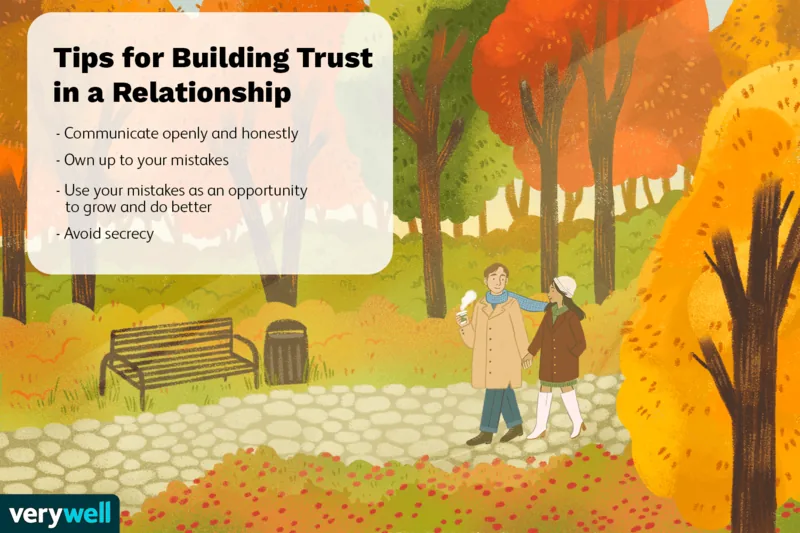
Own Your Mistakes: When you inevitably fall short or cause hurt, honesty and accountability are paramount. Acknowledge your actions, understand the impact they had, and clearly communicate how you plan to do better. This transparency is key to repairing the damage.
Embrace Open Communication: Secrecy is the enemy of trust. Creating a safe space for open dialogue, where sensitive topics can be explored without defensiveness, allows both partners to feel heard and understood. When you can discuss concerns openly, you strengthen your bond.
Be Consistent and Reliable: Follow through on your commitments, big or small. Reliability is the cornerstone of trust. When your actions consistently align with your words, your partner learns they can depend on you.
Practice Empathetic Listening: Truly listen to understand your partner's perspective, needs, and emotions. Ask clarifying questions and validate their feelings. Being present and showing genuine interest fosters a deeper connection.
Cultivate Self-Awareness: Understand your own emotions, needs, and triggers. Being able to articulate these honestly allows for clearer communication and a stronger foundation for trust.
Create New Positive Experiences: Actively seek out opportunities to build positive memories together. Shared joyful experiences reinforce the bond and create new layers of trust.
Seek Professional Guidance: If rebuilding trust feels overwhelming, don't hesitate to seek help from a couples therapist or counselor. An objective third party can provide tools and strategies to navigate difficult conversations and heal past wounds.
Building trust is an ongoing journey, not a destination. It requires patience, consistent effort, and a shared commitment to nurturing the relationship. By focusing on these principles, you can cultivate a relationship where trust flourishes, allowing for deep connection and lasting security.