We live in a world that often feels like a relentless sprint, leaving us breathless and frazzled. The constant hum of notifications, deadlines, and societal pressures can leave your mind feeling like a crowded highway. But what if ancient wisdom held the keys to navigating this modern chaos, offering a path back to inner peace? Traditional Chinese Medicine (TCM) offers a holistic approach, viewing your mental well-being not as an isolated issue, but as an integral part of your overall energetic balance.
You might be surprised to learn that many of these time-tested traditional Chinese medicine methods are already woven into popular wellness trends. From the calming cadence of meditation to the mindful arrangement of your space, TCM offers profound ways to harmonize your body, mind, and spirit, helping you find equilibrium even amidst life's storms.
What Is Traditional Chinese Medicine?
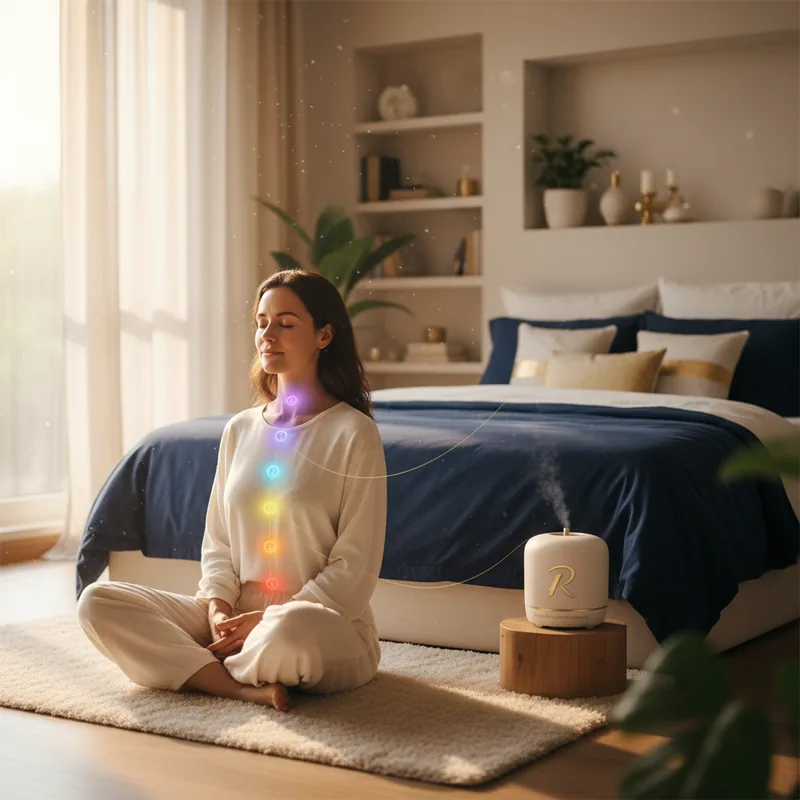
At its core, Traditional Chinese Medicine is a sophisticated system of healthcare with roots stretching back thousands of years. It operates on the principle that a vital life force, known as Qi (pronounced 'chee'), flows through invisible pathways in the body called meridians. When this flow is smooth and balanced, you experience health and vitality.
When Qi becomes stagnant or imbalanced, it can manifest as physical ailments or emotional distress. Think of it like a river: when it flows freely, it nourishes the land. But if it gets blocked, it can cause flooding or drought. TCM practitioners aim to identify these blockages and restore the harmonious flow of Qi.
While Western medicine often focuses on biochemical pathways, like regulating hormones and neurotransmitters, TCM takes a broader view. It considers the interplay of organ systems, the balance of Yin and Yang (opposing yet complementary forces), and the state of your blood and Qi. For instance, persistent anger might be understood in TCM as a sign of stagnation in the liver's Qi, which can then be addressed through specific therapies (Fisher, RAc, as cited in Verywell Mind, 2026).
The beauty of TCM lies in its personalized approach. Your treatment plan is never one-size-fits-all. It's meticulously crafted based on your unique health history, current symptoms, and an understanding of your internal energetic landscape. This tailored strategy is key to effectively addressing the root causes of imbalance.
TCM Approaches for Mental Well-being
TCM doesn't just aim to 'boost' mental health; it seeks to treat specific emotional states and their underlying causes. Whether you're grappling with frustration, persistent anxiety, mood swings, or deep-seated grief, these traditional Chinese medicine methods offer pathways to healing.
Consider the scenario of feeling overwhelmed by work deadlines. In a Western context, you might reach for stress-reduction techniques or, in more severe cases, medication. TCM would look at how this stress affects your organ systems - perhaps leading to liver Qi stagnation or a depletion of heart Yin, both of which can contribute to anxiety and irritability. The treatment then targets these specific patterns.
Herbal Medicine
TCM boasts an extensive pharmacopeia of herbs, often combined into complex formulas tailored to individual energetic patterns. These aren't just remedies; they are precisely chosen to nourish, calm, or invigorate specific organ systems related to emotional balance.
For example, herbs that support the heart Qi and blood are frequently used to calm the mind, reduce anxiety, and improve sleep quality. This is because, according to TCM principles, the heart houses the 'Shen,' or spirit, which influences our mental state and consciousness (Oravitz, AP, LAc, as cited in Verywell Mind, 2026).
Commonly used herbs like Red Ginseng, Astragalus, and Codonopsis are not just about energy; they work to restore balance, helping the body navigate the opposing forces of stress and fatigue (Rivera Cruz, MSW, LCSW, as cited in Verywell Mind, 2026).
Acupuncture
Perhaps the most well-known of the traditional Chinese medicine methods, acupuncture involves the precise insertion of ultra-fine needles into specific points on the body. This stimulates the flow of Qi, releasing stagnation and promoting profound relaxation.
Acupuncture can directly influence the nervous system, helping to shift the body out of 'fight or flight' and into 'rest and digest.' Stimulating certain points, particularly on the ear (auricular acupuncture), can even activate the vagus nerve, promoting calm and supporting digestive health.
While acupuncture alone can be remarkably effective for mood regulation, it's often combined with herbal medicine for a more comprehensive treatment, depending on the individual's TCM diagnosis (Baert, BSc, RAc, as cited in Verywell Mind, 2026).
Acupressure
Similar to acupuncture, acupressure targets specific points along the meridians. Instead of needles, gentle to firm pressure is applied using fingers, thumbs, or palms. This technique is accessible and can be self-administered for relief.
Imagine feeling tension build in your neck and shoulders after a long day. Applying pressure to specific points, like those on the Large Intestine meridian (often found between the thumb and index finger), can help release this physical and energetic stagnation, easing the associated mental tightness.
Moxibustion
Moxibustion involves burning dried mugwort leaves over specific acupuncture points. The heat generated penetrates deeply, warming the meridians, stimulating circulation, and promoting healing. It's particularly effective for conditions related to cold or stagnation, often manifesting as low mood or fatigue.
This practice can be a powerful tool for alleviating symptoms of chronic stress and anxiety by promoting deep relaxation and dispelling energetic 'coldness' that can contribute to feeling down.
Qi Gong and Tai Chi
These ancient movement arts are pillars of TCM for cultivating well-being. Qi Gong involves gentle, flowing movements, mindful breathing, and meditation to harmonize Qi. Tai Chi, often described as 'meditation in motion,' combines slow, deliberate postures with deep breathing and focused awareness.
Regular practice of either Qi Gong or Tai Chi can significantly reduce stress levels, improve emotional regulation, and enhance mental clarity. Studies have shown their effectiveness in improving psychological status, particularly in managing anxiety and depressive symptoms (Liu et al., 2021).
Dietary Therapy
In TCM, food is medicine. The principle of 'food cures' emphasizes how specific foods can influence your energetic state and, consequently, your mood. A balanced diet rich in fruits, vegetables, whole grains, and lean proteins forms the foundation.
Certain foods are recommended to support specific imbalances. For instance, to calm a restless mind (associated with heart imbalance), one might be advised to incorporate foods like longan fruit or lotus seeds. Conversely, overly processed or 'heating' foods might be advised against if they contribute to irritability or anxiety (Zhao et al., 2021).
Tuina Massage
Tuina is a therapeutic form of Chinese massage that works directly on the acupressure points and meridians. It involves rhythmic kneading, pressing, and stretching to unblock Qi and blood flow.
This deep tissue work can be incredibly effective for releasing physical tension that often accompanies emotional stress. Many find Tuina beneficial for improving sleep quality and alleviating symptoms of insomnia, a common companion to anxiety (Wang et al., 2023).
Feng Shui
While seemingly distinct, Feng Shui is deeply rooted in TCM principles. It's the art of arranging your environment to promote harmony and balance, thereby influencing the flow of Qi in your living and working spaces. A cluttered or chaotic environment can contribute to a cluttered or chaotic mind.
By consciously organizing your space--decluttering, optimizing light, and incorporating natural elements--you create an external environment that supports internal calm and focus. This practice extends to your home office, helping to create a more productive and less stressful workspace.
Mindfulness and Meditation
TCM has long recognized the power of the mind. Practices that cultivate present moment awareness and inner stillness are central to achieving mental clarity and emotional resilience. These aren't just relaxation techniques; they are tools to understand and regulate your internal state.
Regular meditation can help you observe your thoughts and emotions without judgment, reducing the power of anxious or negative thought patterns. This enhanced self-awareness is a cornerstone of emotional well-being in TCM.
Integrating TCM with Western Approaches
The most empowering approach often involves a synergy between traditional wisdom and modern medicine. Many individuals find that integrating traditional Chinese medicine methods with Western treatments yields the best results.
Some people use TCM therapies to complement their Western medications, helping to manage side effects or potentially reduce dosages under medical supervision. Others find that TCM alone helps them achieve stability, allowing them to gradually taper off medication with their doctor's guidance. The key is finding a collaborative approach that respects the strengths of both systems.
When exploring TCM, finding a licensed and qualified practitioner you trust is paramount. Their philosophy, approach, and understanding of health should resonate with you. Remember, these ancient methods offer a profound pathway to not just coping with modern mental health challenges, but truly thriving.