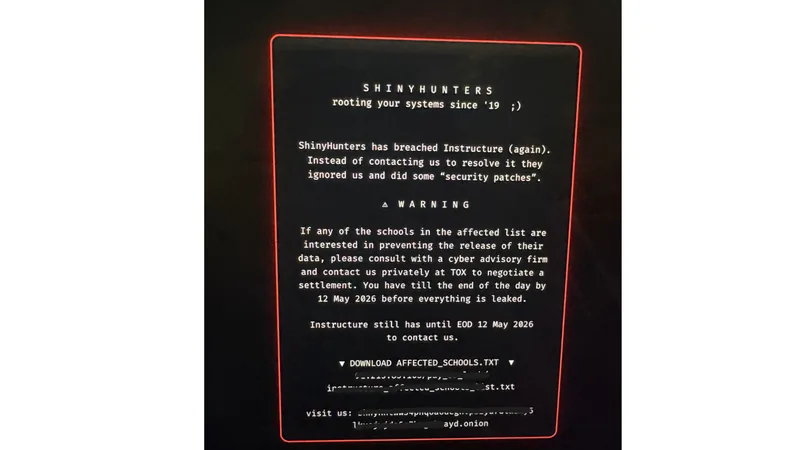
Imagine logging into your college portal for assignments, only to be met with a ransom note. That's the alarming reality for thousands of students and faculty as Canvas, a learning management system used by over 8,000 institutions, has reportedly been hacked. A group calling themselves Shinyhunters has claimed responsibility, demanding a settlement from Canvas' parent company, Instructure, by May 12th, threatening to leak sensitive data if their demands aren't met.
Nationwide Outages Spark Concern
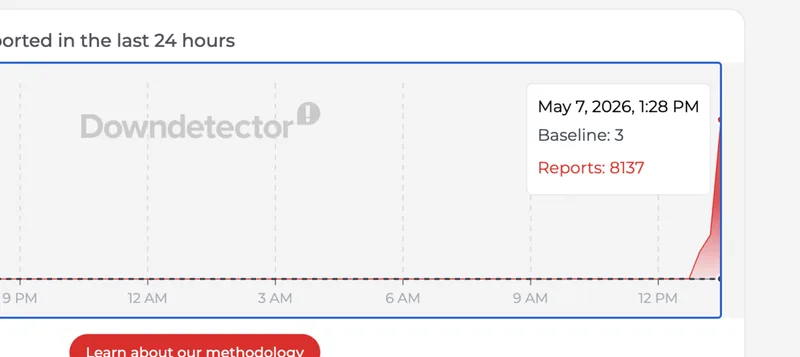
Reports of students being unable to access Canvas have flooded in from colleges and universities across the U.S. Over 8,000 complaints surged on Down Detector in a short period, painting a clear picture of widespread disruption. This isn't the first time Instructure has faced such a threat; a similar breach occurred in late April or early May. At that time, Shinyhunters exposed names, email addresses, student ID numbers, and private messages. While Instructure stated no passwords or financial information were compromised then, the specter of a larger breach looms.
Instructure announced on May 2nd that it had deployed patches and increased monitoring, a move seemingly acknowledged by the hackers. Their ransom note specifically referenced the previous incident, claiming it involved over 3 terabytes of data affecting approximately 275 million individuals. The full scope of this latest attack, however, is still unfolding.

What to Do If You're Affected
While Instructure likely works to resolve this crisis, it's crucial for students and faculty to take proactive steps to safeguard their digital information. This is especially important given the potential for this canvas has been hacked incident to be extensive.
Change your password immediately. If you can still access your Canvas account, update your password. Critically, if you reuse passwords across different platforms--like email, social media, or banking--change those passwords too. A single compromised credential can open the door to numerous accounts.
Enable Multi-Factor Authentication (MFA). This adds a vital extra layer of security, requiring more than just a password to log in. Think of it as a digital bouncer checking two forms of ID before letting anyone access your account.
Be vigilant about phishing attempts. With email addresses potentially exposed, hackers may craft highly targeted phishing emails. Be extremely suspicious of any message asking you to download software, click on unfamiliar links, or share personal account details. A common tactic is an email impersonating a university IT department asking you to verify your account.
Monitor your financial accounts and credit reports. While Instructure has stated that financial information wasn't compromised in previous incidents, it's wise to remain cautious. Regularly checking your bank statements and credit reports can help you spot any unauthorized activity early.
The news that canvas has been hacked is unsettling for millions. By taking these steps, you can significantly bolster your personal data security in the wake of this unsettling event. Remember, when it comes to online safety, proactive measures are your best defense against potential breaches, especially when a system as widely used as Canvas has been hacked.