Most people dread the thought of public speaking, but for some, this common anxiety escalates into a debilitating condition known as glossophobia—fear public speaking? If the mere thought of addressing a group triggers intense physical and emotional distress, preventing you from pursuing opportunities or even basic social interactions, you likely have glossophobia. This phobia, affecting a significant portion of the population, is a profound fear that can limit personal and professional growth. The good news is that with the right strategies and support, managing and overcoming this fear is entirely possible.
In 2025, understanding and addressing glossophobia is more crucial than ever, as digital communication and hybrid work models often require individuals to present in various formats, from virtual meetings to in-person conferences. This guide will help you identify the signs of public speaking anxiety and explore proven methods to transform your fear into confidence.
Understanding Glossophobia: More Than Just Nerves
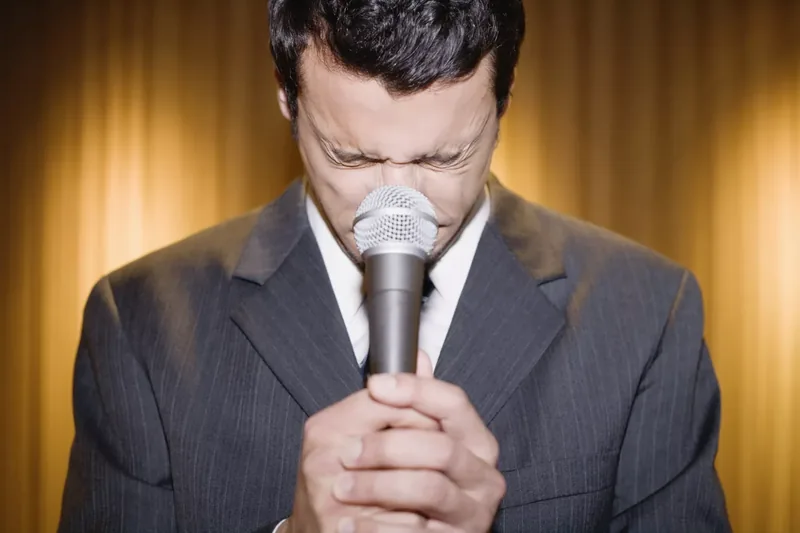
Glossophobia, often referred to as the fear of public speaking, is a specific phobia characterized by intense, persistent anxiety when faced with situations involving public speaking. While a degree of nervousness before a presentation is normal and even beneficial for performance, glossophobia goes far beyond typical stage fright. It transforms mild apprehension into a profound, often paralyzing, dread that can significantly impact an individual’s life. Experts estimate that as many as 77% of people experience some level of anxiety regarding public speaking, but only a subset meet the criteria for a full-blown phobia.
This distinction is crucial: ordinary discomfort might make you nervous, but glossophobia—fear public speaking?—can lead to extreme avoidance behaviors. For someone with glossophobia, the anxiety is not just about the performance itself but often stems from a fear of judgment, embarrassment, or perceived failure. This can manifest even in situations as simple as ordering food at a busy cafe or speaking up in a small team meeting. The fear is often irrational, disproportionate to the actual threat, and can be triggered by merely thinking about a speaking event. In 2025, with increasing reliance on video conferencing and hybrid work models, the demands for verbal communication in various public settings have only grown, making effective management of this phobia more relevant than ever.
The Connection Between Glossophobia and Social Anxiety
Glossophobia is frequently categorized as a subset of social phobia, or social anxiety disorder, which involves an intense fear of social situations where one might be scrutinized or judged by others. However, it’s important to note that most individuals with glossophobia do not necessarily exhibit symptoms of other social phobias. For instance, someone might be perfectly comfortable meeting new people, attending large parties, or even performing on stage through dance or music, yet freeze at the thought of delivering a speech. The key differentiator is often the requirement to talk in front of an audience. This focused anxiety makes glossophobia a unique challenge within the spectrum of social fears.
The underlying mechanism often involves a heightened awareness of oneself in the spotlight, coupled with a catastrophic interpretation of potential errors. This can lead to a vicious cycle where the fear itself causes physical symptoms, which then reinforce the belief that one is failing or appearing foolish. For a child, this might look like a desperate avoidance of eye contact with a teacher to prevent being called upon, or refusing to participate in class discussions. For an adult, it could mean turning down a promotion that requires leading team meetings, even if they excel at all other aspects of the job. This targeted nature of glossophobia—fear public speaking?—highlights the specific triggers and cognitive patterns that differentiate it from broader social anxieties.
Recognizing the Signs: Symptoms of Glossophobia
Identifying glossophobia—fear public speaking?—involves recognizing a combination of physical, emotional, and behavioral symptoms that manifest when public speaking is anticipated or actually occurring. These symptoms are typically immediate and intense, often disproportionate to the actual threat. Understanding these signs is the first step toward seeking help.
What are the common symptoms of glossophobia? Physical symptoms of glossophobia can include a racing heart, profuse sweating, dry mouth, trembling voice or limbs, shortness of breath, dizziness, nausea, muscle tension, and a sudden urge to urinate. Emotionally, individuals often experience intense anxiety, panic, feelings of dread, overwhelming self-consciousness, and a profound fear of embarrassment or humiliation. Behaviorally, this phobia leads to significant avoidance of public speaking situations, or enduring them with extreme distress. This avoidance can extend to everyday scenarios, like asking a question in a large lecture hall or even making a simple announcement at a family gathering. Research from institutions like Harvard (2024) continues to emphasize the physiological basis of these intense anxiety responses.
For a formal clinical diagnosis, a mental health professional would assess if these symptoms align with criteria such as: the fear being excessive and unreasonable; the reaction being immediate and out of proportion to the danger; active avoidance of speaking situations or enduring them with extreme distress; and the phobia being life-limiting, lasting at least six months, and not attributable to another disorder. These comprehensive criteria ensure that a true phobia, rather than just mild nervousness, is identified and addressed appropriately.
Navigating Life with Glossophobia: Potential Complications
The impact of glossophobia—fear public speaking?—can extend far beyond mere discomfort, profoundly affecting an individual’s academic, professional, and social life. Given that nearly every career path, from entry-level positions to executive roles, involves some form of public communication—whether participating in meetings, presenting reports, or engaging clients—a severe phobia can become a significant barrier to success and advancement. An individual might find themselves unable to participate effectively in team discussions, lead presentations, or even network at industry events, potentially leading to stagnation or even job loss. For example, a talented software engineer might repeatedly pass up opportunities for promotion because the new role requires leading technical briefings, or a marketing professional might avoid pitching ideas to clients, despite their innovative concepts.
Beyond career implications, glossophobia can lead to academic struggles, as students may avoid group projects, oral reports, or even asking questions in class. Socially, the fear can foster isolation, as individuals might decline invitations to events where they might be expected to speak, such as toasts at weddings or leading discussions in community groups. This persistent avoidance and the accompanying stress of facing such anxiety on a regular basis can contribute to a higher risk of developing secondary conditions like depression, generalized anxiety disorder, or substance abuse as coping mechanisms. The cumulative effect of these limitations can significantly diminish one’s quality of life and overall well-being, highlighting the critical need for effective intervention.
Effective Strategies for Managing Glossophobia
Successfully treating glossophobia—fear public speaking?—involves a multi-faceted approach, often combining professional therapy with potential medication. The goal is not necessarily to eliminate all nervousness, but to transform paralyzing fear into manageable anticipation, allowing individuals to speak confidently when required.
How is glossophobia typically treated? One of the most common and effective treatments is Cognitive-Behavioral Therapy (CBT). In CBT, individuals learn to identify and challenge the negative thought patterns and irrational beliefs that fuel their fear. They replace these with more positive, realistic self-talk and develop coping mechanisms for anxiety-provoking situations. A major component of CBT for phobias is exposure therapy, where individuals gradually confront their fear in a safe, controlled environment. This might start with imagining public speaking, then practicing in front of a mirror, moving to a trusted friend, and eventually to small groups. This systematic desensitization helps to reduce the anxiety response over time.
Additionally, relaxation techniques such as deep breathing, progressive muscle relaxation, and mindfulness meditation are taught to help manage physical symptoms of anxiety. In some cases, medication may be prescribed to help control the physiological manifestations of fear, such as rapid heartbeat or panic attacks. Beta-blockers, for instance, can be used to block the physical symptoms of anxiety, while anti-anxiety medications may be considered for broader anxiety management. However, medication is generally used in conjunction with therapy, rather than as a standalone solution, to address the underlying psychological components of the phobia. The combination of these strategies provides a comprehensive pathway to manage and ultimately overcome glossophobia.
Building Confidence: Self-Help and Support for Public Speaking
Beyond professional therapy, there are several powerful self-help strategies and supportive environments that can significantly aid in overcoming glossophobia—fear public speaking?—and building lasting confidence. These approaches focus on practical experience, repetition, and fostering a sense of community.
Once the initial, intense fear has been addressed through therapy, joining a speaking group can be incredibly beneficial. Organizations like Toastmasters International offer a structured, supportive, and low-stakes environment where members can practice public speaking skills, receive constructive criticism, and gradually build comfort and proficiency. The repetition of speaking in front of a supportive audience helps to normalize the experience and reduce anxiety over time. Similarly, local community groups or workshops focused on communication skills can provide similar benefits. In 2025, many of these groups also offer virtual sessions, making them more accessible than ever for those who might initially find in-person meetings too daunting.
Other self-help techniques include consistent practice, even if it’s just speaking aloud to yourself, recording your presentations to review, and focusing on your message rather than your delivery. Visualization exercises, where you mentally rehearse a successful presentation, can also be powerful tools. Remember, every time you successfully navigate a speaking situation, no matter how small, you reinforce positive neural pathways and weaken the grip of your phobia. Finding a supportive network of like-minded individuals, whether online or in person, can provide encouragement and shared strategies, making the journey to comfortable public speaking much less isolating and far more achievable.