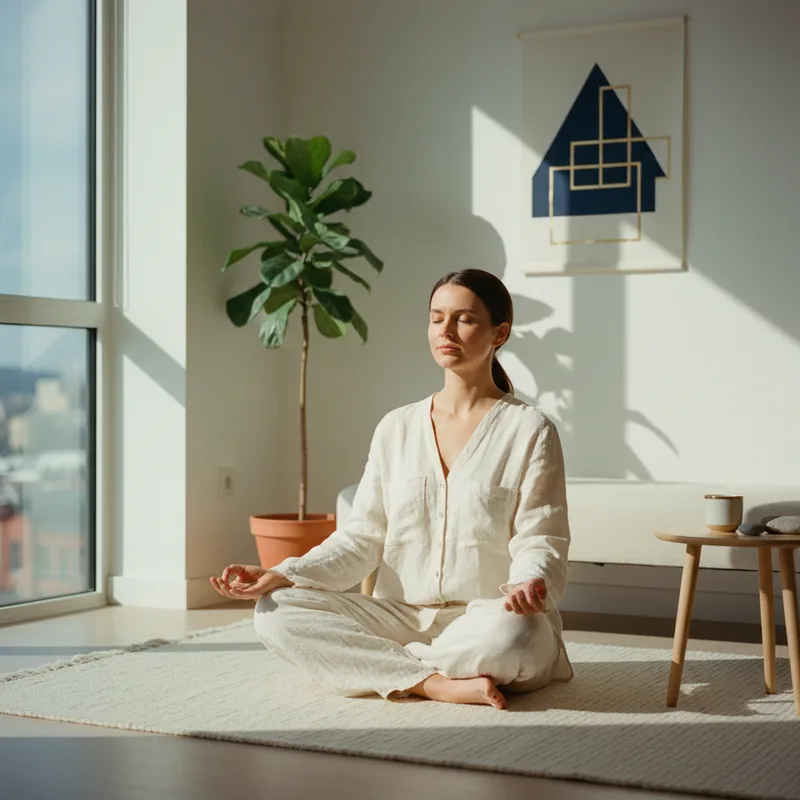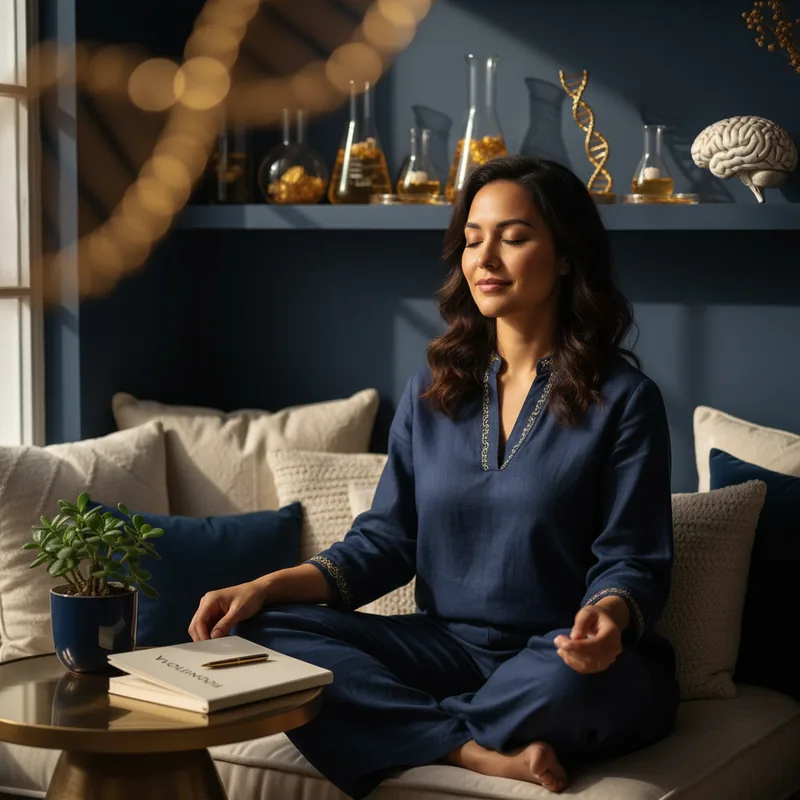
In the quest for greater calm and self-awareness, the terms "mindfulness" and "meditation" are frequently used interchangeably. However, understanding the nuanced difference between these two practices is crucial for anyone looking to deepen their well-being journey. While closely intertwined, mindfulness represents a state of being, an intentional awareness of the present moment without judgment, whereas meditation serves as a structured practice or tool designed to cultivate and strengthen that very state of mindfulness. This distinction clarifies how both contribute uniquely to emotional balance and mental clarity.
Understanding Mindfulness: The State of Being Present
At its core, mindfulness is the mental faculty of bringing one's full attention to the present experience, observing thoughts, feelings, and bodily sensations as they arise, without getting caught up in them or evaluating them as good or bad. It means truly inhabiting the "now," rather than replaying past events or anticipating future worries. When you are mindful, you acknowledge your internal and external experiences with an open, non-critical awareness.
This practice involves tuning into your breath, noticing the subtle shifts in your body, and observing the environment around you with fresh eyes. It's about stepping out of autopilot and engaging fully with whatever is happening in the current moment, whether it's the taste of your food or the sound of rain outside.
Mindfulness in Therapeutic Contexts
The profound benefits of mindfulness are widely recognized in clinical psychology. For instance, Dialectical Behavior Therapy (DBT) frequently integrates mindfulness techniques to help individuals manage intense emotions and reduce self-destructive behaviors. Patients learn to suspend judgment, tolerate distress, and focus on healthy coping mechanisms through mindful awareness. Research indicates that incorporating mindfulness skills within DBT programs can significantly reduce symptoms of depression and anxiety, demonstrating its powerful impact on mental health outcomes (Mochrie et al., 2019).
Exploring Meditation: The Practice of Cultivating Awareness
If mindfulness is the destination, meditation is the vehicle. Meditation refers to a set of techniques used to train attention and awareness, thereby cultivating a state of mindfulness and promoting mental and emotional calm. It is an intentional practice, often involving focused attention on a specific object, thought, or sensation, such as the breath, to achieve a state of relaxed awareness.
Engaging in meditation often begins with deliberate deep breathing exercises. This focus on respiration can activate the vagus nerve, which plays a crucial role in regulating vital bodily functions like digestion, heart rate, and respiratory rate, thereby fostering a sense of physiological and psychological tranquility.
Diverse Paths to Inner Calm
The landscape of meditation is rich and varied, offering numerous approaches to suit different preferences and goals. Some popular forms include:
- Breath-awareness meditation: Centering your focus solely on the sensation of your breath as it enters and leaves your body.
- Loving-kindness meditation (Metta): Cultivating feelings of warmth, compassion, and goodwill towards oneself and others.
- Mantra-based meditation: Silently or audibly repeating a specific word, sound, or phrase to quiet the mind and deepen focus.
- Visualization meditation: Using mental imagery to create a sense of relaxation, peace, or to achieve specific goals.
- Movement meditation: Integrating mindful awareness with physical activity, such as walking meditation, where attention is placed on the sensations of movement.
- Body-scan meditation: Systematically bringing awareness to different parts of the body, noticing any sensations without judgment.
- Focus meditation: Directing attention to a single point, like a candle flame, a sound, or a specific thought, to enhance concentration.
Each of these methods provides a pathway to cultivate present-moment awareness, helping to clarify the distinction between mindfulness vs meditation: what's truly at play in your self-care routine.
Mindfulness-Based Stress Reduction (MBSR): A Structured Approach
A prominent example of how mindfulness and meditation are integrated is the Mindfulness-Based Stress Reduction (MBSR) program. Founded by Jon Kabat-Zinn in 1979, MBSR is an intensive 8-week course designed to teach participants how to use mindfulness and meditation to cope with stress, pain, and illness. Guided by an instructor, participants engage in various practices, including formal meditation, body scans, gentle yoga, and group discussions, all aimed at fostering non-judgmental present-moment awareness.
The goal of MBSR is to equip individuals with tools to respond more effectively to life's challenges, rather than reacting habitually. The benefits are well-documented, showing reductions in stress, chronic pain, and symptoms of depression and anxiety. During global crises, such as the COVID-19 pandemic, the value of mindfulness and meditation practices, including MBSR, has been highlighted as a low-cost, complementary approach to mental health support (Behan, 2020). Studies even reveal structural and functional changes in the brains of long-term meditators and MBSR participants, underscoring the profound neurological impact of these practices. This exploration helps clarify the critical distinction of mindfulness vs meditation: what's the practical application of each in our lives.
Integrating Mindfulness Without Formal Meditation
While meditation is an excellent way to build mindfulness, it's important to recognize that you don't need to engage in formal sitting practices to be mindful. As the renowned author Deepak Chopra suggests, "When you are consciously bringing your wandering mind back to the present moment," you are actively developing mindfulness. This means that mindfulness can be woven into the fabric of your everyday life, transforming routine activities into opportunities for awareness.
To cultivate mindfulness without traditional meditation, simply start by engaging your senses in daily experiences:
- Mindful Eating: Instead of rushing through a meal, savor each bite of your food. Notice the textures, flavors, and aromas. Pay attention to when you feel full, aligning with your body's signals. This mindful approach to eating helps you fully experience and enjoy your nourishment, rather than mindlessly consuming it while distracted.
- Sensory Awareness: Take a moment to truly listen to the birds singing on your morning walk, feel the warmth of a mug in your hands, or observe the intricate patterns of a sunset. These simple acts ground you in the present.
- Mindful Chores: When washing dishes, focus on the warmth of the water, the feel of the soap, and the sound of the plates clinking. This transforms a mundane task into a sensory experience, highlighting the core difference between mindfulness vs meditation: what's truly about being present in any activity.
- Focused Tasks: Practice single-tasking. If you're working on an important report, dedicate your full attention to it without checking social media or responding to non-urgent messages. Engage completely in one activity at a time, minimizing distractions.
- Mindful Commuting: Instead of letting your mind wander during your commute, actively observe your surroundings. Notice the buildings, trees, and people, without judgment. This helps anchor you in the journey itself.
- Active Listening: In your relationships, practice active listening. When someone speaks, give them your full, undivided attention. Avoid interrupting, rushing to judgment, or multitasking. Show empathy and truly hear what they are saying, fostering deeper connections.
Bringing mindfulness into daily life doesn't require grand gestures; it's about making small, intentional shifts in how you engage with the world. Be patient and kind to yourself as you develop these new habits, understanding that consistency, not perfection, is key. Ultimately, understanding mindfulness vs meditation: what's the relationship between them empowers us to choose the most effective paths for our personal growth.