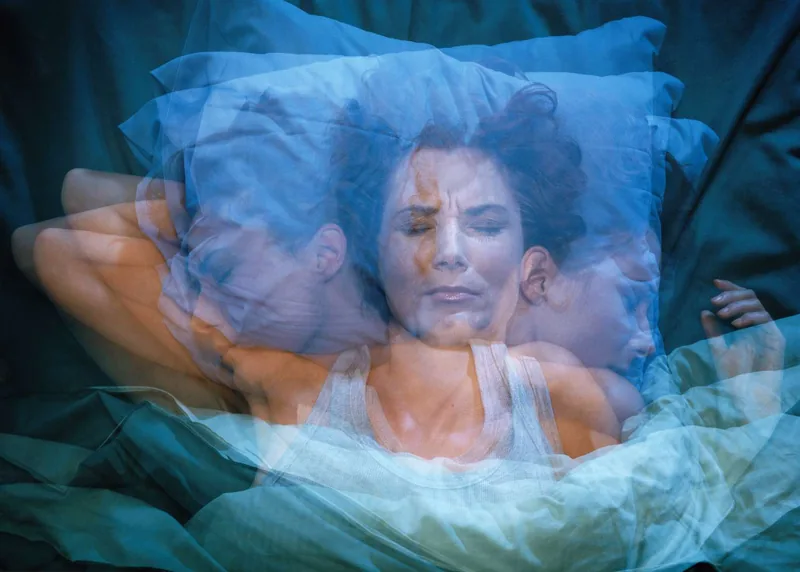
The alarm blares, jolting you awake. Your heart pounds, a cold sweat prickles your skin. You just dreamt you died. Or perhaps you watched a loved one slip away in a dream. The terror is palpable, lingering long after your eyes snap open. But what if this unsettling experience isn't a premonition, but a profound message from your subconscious about the shifts happening in your life? The truth is, dreams about death are far more common than you might think, and they rarely signify literal endings. Instead, they often act as symbolic messengers, urging you to acknowledge change, confront unresolved feelings, or embrace a significant transition (Loewenberg, n.d.).
Dreams speak a language of metaphor, a rich tapestry woven from our deepest fears, hopes, and experiences. When death appears in this nocturnal theater, it's seldom a grim prediction. More often, it's your mind's way of processing the end of one chapter to make space for another. Understanding why you're having dreams about death can unlock a deeper self-awareness, illuminating the transformations you're navigating in your waking life.
Decoding the Symbols: What Death Dreams Really Signify
Death in dreams is rarely about the physical act of dying. Certified dream analyst Lauri Loewenberg explains that it typically symbolizes major life changes, the conclusion of a significant phase, or the end of an old way of being. Think of it as your subconscious saying, "It's time to let go of what's no longer serving you and make room for growth."
When you dream about your own death, it might not mean your life is ending, but rather that a significant aspect of your life is concluding. This could be the end of a relationship, a career phase, or even an old habit. Similarly, dreaming about someone else's death can reflect a shift in your relationship with that person or how you perceive them and what they represent to you.
The intensity of these dreams often reflects the magnitude of the change or the resistance you might be feeling towards it. It's your mind's way of nudging you to acknowledge and process these transitions, facilitating a smoother passage into your next phase.
Common Scenarios and Their Hidden Meanings
The specifics of your death dream can offer further clues. Let's explore some common themes:
Dreams About a Partner Dying
This dream could signify that your partner is undergoing personal change, or that your perception of them or your relationship dynamic is shifting. It might also reflect an ending within the relationship itself, or a change in how you view your partner's role in your life.
Dreams About a Parent Dying
When a parent appears in a death dream, it can relate to changes in their life or your relationship with them. Sometimes, a parent in a dream represents aspects of yourself. Consider if your perspective as a parent has shifted, or if you're struggling with your parental role or identity.
Dreams About a Child Dying
These are often the most emotionally charged dreams. They typically arise during significant milestones in a child's life, like them learning to walk or leaving for college. It's often a subconscious mourning of the passage of time and the end of a child's dependency, rather than a literal fear of loss.
Dreams About a Sibling Dying
This can point to an evolving relationship with your sibling or changes in their life. Alternatively, your sibling might symbolize a part of yourself, suggesting that a shared personality trait or aspect of your identity is undergoing change or fading away.
Dreams About a Friend Dying
This dream might reflect a drifting friendship or a significant change in your friend's life that makes them seem like a different person. It's about the evolution or ending of a connection.
Dreams About a Pet Dying
The meaning here can depend on the animal. For instance, a dog often symbolizes companionship and relationships, so its death could signify the end of a friendship or romantic bond. A cat, sometimes representing independence or sensuality, might point to issues with intimacy or personal freedom.
New Example: Dreaming about your abstract concept dying, like your creativity or your career ambitions, can signify that you feel these aspects of yourself are stagnating or coming to an end. It's a powerful call to re-ignite them.
Dreams About Funerals or Cemeteries
A cemetery can symbolize the need to "bury" a difficult issue and move on. A funeral, in a dream, often represents the process of grieving and coming to terms with the changes brought about by a significant ending.
Dreams About Killing Someone
Unlike natural death, murder in a dream suggests you are actively forcing a change or ending in your life. This might be a situation, a habit, or even a part of yourself you're trying to suppress or eliminate forcefully.
Dreams About Being Killed
If you are the victim in a murder dream, it likely means you feel pressured or coerced by external forces to undergo a transformation or end something in your life. This dream often highlights a change you are resisting.
Dreams About Dead Bodies
A dead body in your dream represents something in your waking life that is no longer functional, useful, or relevant--be it an idea, a relationship, or a job. Seeing it as a corpse helps your subconscious acknowledge its finality, aiding in the process of letting go.
Dreams About Someone Who Has Died
If a deceased loved one appears in your dream, it might signify that something from your past, an unresolved issue or memory, is resurfacing and "haunting" your present thoughts.
Dreams About Suicide
Provided you aren't experiencing suicidal ideation, a dream about suicide often symbolizes a profound personal transformation or a "rebirth" process. You are actively ending an old version of yourself to embrace a new one.
New Example: Dreaming about the death of a career path you were pursuing can indicate that you feel the opportunities in that field are gone, or that you're ready to close that chapter and seek new professional directions.
What Triggers These Unsettling Dreams?
Experiencing dreams about death is a common human phenomenon. Dr. Shelby Harris, director of sleep health, notes that numerous factors can trigger them. These often stem from our internal landscape:
- Significant life changes, both positive and negative
- Underlying stress and anxiety about the future
- Feelings of grief, whether recent or past
- Unresolved issues or conflicts
- Traumatic experiences that have impacted your psyche
- Health-related worries or concerns
- Mental health conditions like anxiety or depression
- Exposure to intense content in movies, books, or news
- Deep-seated social or cultural beliefs about mortality
These triggers are deeply personal. If death dreams are frequent, distressing, and interfering with your daily life or sleep quality, it's a strong signal to seek guidance from a mental health professional (Harris, n.d.). Persistent, severe nightmares can sometimes be indicative of conditions like nightmare disorder, impacting mood, cognitive function, and overall well-being.
What Do Death Dreams Feel Like?
The emotional landscape of a death dream can be vast and intense. You might wake up feeling profound sadness, overwhelming fear, sharp anxiety, or even a disorienting confusion (Harris, n.d.). The physical sensations can be equally potent: a racing heart, shortness of breath, profuse sweating, or restless movements.
These vivid experiences can leave a lasting imprint. The emotions stirred by the dream might linger, coloring your mood for hours after waking. It's not uncommon for these dreams to prompt introspection, leading you to ponder your current life circumstances and what these symbolic messages might truly mean.
Can You Actually Die in a Dream?
While the sensation of dying in a dream can be terrifying, it's important to understand what's happening. Often, people wake up just before the dream's climax--the moment of death. This can occur because the dream becomes so jarring that your brain's adrenaline response jolts you awake. It's a protective mechanism, preventing the full completion of a highly distressing scenario.
Alternatively, the dream might symbolically represent an ending that is currently unfolding in your waking life but hasn't fully concluded. For example, a dream of being shot and dying might occur if a relationship is slowly fading, with communication breaking down, but no official breakup has happened yet. The dream captures the symbolic death of the connection before it's finalized in reality (Loewenberg, n.d.).
On the other hand, some individuals do dream that they have died, and even experience a sense of leaving their body. This can be a powerful, albeit strange, part of the dream's narrative. Regardless, remember that the dream itself is a metaphor. It's your subconscious exploring themes of transformation, not a literal prophecy.
Death Dreams and Mental Health
While dreaming about death is common and not inherently a sign of a mental health disorder, frequent and intensely disturbing death dreams could be linked to underlying conditions (Harris, n.d.). These may include:
- Anxiety disorders
- Depression
- Post-traumatic stress disorder (PTSD)
- Bipolar disorder
- Sleep-related disorders, such as nightmare disorder
If these dreams are causing significant distress, consider reaching out to a mental healthcare professional. They can help you explore the root causes, identify triggers, diagnose any potential conditions, and develop effective coping strategies.
Strategies for Managing Death Dreams
If you find yourself frequently experiencing unsettling dreams about death, several strategies can help you navigate them:
- Address Unresolved Issues: Loewenberg suggests that if your life is in flux, these dreams might be your subconscious urging you to confront and let go of something that's no longer working. Facing the reality of an issue can facilitate healing and forward movement.
- Focus on the Future: Actively cultivating a positive outlook on your future can counteract the themes of ending. As you prepare for sleep, focus on your goals and the exciting possibilities ahead. This mental shift can help shape your dreams.
- Seek Professional Support: If the dreams are profoundly upsetting, consulting a mental health professional is highly recommended. They can assist you in processing these experiences, identifying triggers, and equipping you with tools to manage them effectively.
New Example: If you're dreaming of the death of a cherished pet, it might symbolize the end of a phase of companionship or unconditional love in your life. It's a call to acknowledge the significance of that bond and to process the grief associated with its passing, whether literal or metaphorical.
Dreams about death, while often disturbing, are usually symbolic messages from your subconscious. By understanding these symbols, you can gain valuable insights into the changes and transformations you are undergoing, ultimately leading to greater self-awareness and personal growth.