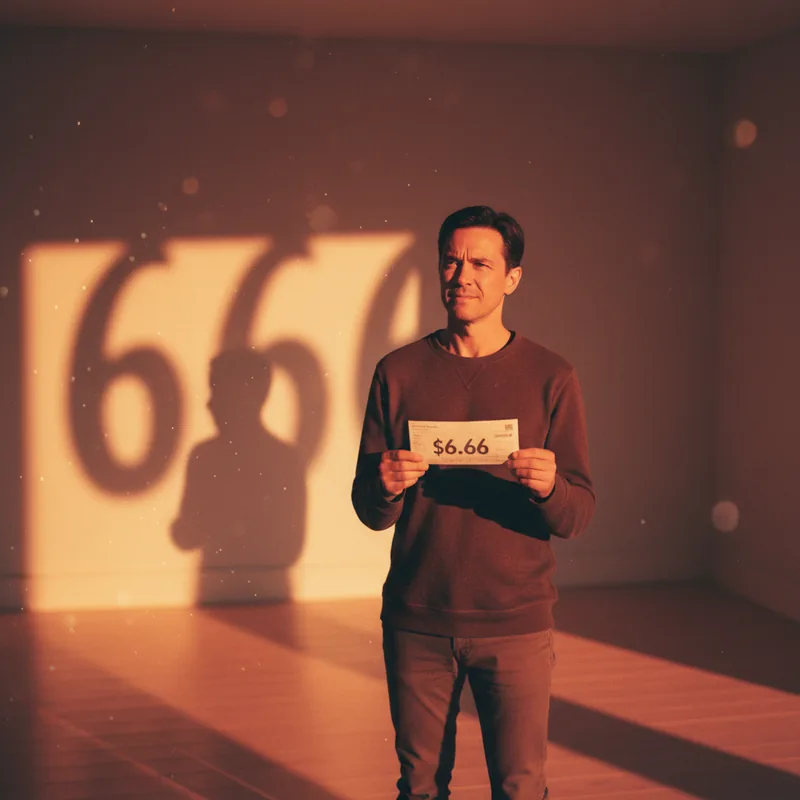
That prickle of unease when you see a particular sequence of numbers, or the outright panic that grips you - it's more than just a fleeting thought. For some, this can escalate into an overwhelming fear of a number, specifically the infamous 666. This isn't just superstition; it's a recognized phobia, hexakosioihexekontahexaphobia, a deep-seated anxiety that can significantly disrupt daily life. But where does this intense dread come from, and more importantly, how can you navigate it?
Understanding the Fear of 666
Hexakosioihexekontahexaphobia is the clinical term for an intense, irrational fear of the number 666. It's a type of specific phobia, meaning the anxiety is triggered solely by this particular number. While many people might feel a sense of unease or find the number unsettling due to its cultural associations, for someone with this phobia, encountering 666 can provoke a powerful, debilitating fear response, akin to the panic one might feel when facing a real threat.
This overwhelming fear of number 666 isn't about a dislike for mathematics; it's a profound emotional and psychological reaction. The intensity of the fear is such that it can lead individuals to actively avoid situations, places, or even objects that might involve the number, making everyday activities challenging.
Where Does This Fear Come From?
The origins of hexakosioihexekontahexaphobia are deeply entwined with cultural and religious beliefs, primarily stemming from its mention in the Book of Revelation in the Bible. Revelation 13:17-18 famously refers to 666 as the "number of the beast," a symbol often associated with the Antichrist and apocalyptic events. For individuals with a strong religious background or those who interpret these texts literally, this biblical association can foster a genuine sense of dread and foreboding.
Beyond religious texts, pop culture has amplified the sinister connotations of 666. Horror films, supernatural thrillers, and even music have frequently used the number as a shorthand for evil, chaos, or the devil. This pervasive presence in media reinforces the negative association, making it a potent trigger for those predisposed to anxiety or specific phobias.
Consider the infamous U.S. Highway 666 in the American Southwest. Officially named in 1926, it was the sixth spur off U.S. Highway 66. However, over time, the New Mexico section gained a reputation for being statistically dangerous, with a high rate of accidents. While skeptics point to poor design and maintenance, many locals attributed the peril to the road's name, dubbing it the "Devil's Highway." This fear was so palpable that the highway was eventually renamed U.S. 491 in 2003 (Federal Highway Administration, n.d.). This real-world example illustrates how a number's association can bleed into perceptions of safety and reality.
Symptoms: When Fear Takes Over
Experiencing an overwhelming fear of number 666 manifests in ways similar to other specific phobias. The hallmark is an immediate and intense fear response upon encountering the number. This isn't just feeling a bit queasy; it can involve:
- Sudden, overwhelming anxiety or panic
- Rapid heartbeat, sweating, and trembling
- Difficulty breathing or chest tightness
- Nausea, dizziness, or feeling faint
- A profound sense of dread or impending doom
- An irrational certainty that something terrible will happen
Beyond these immediate physical and emotional reactions, the most significant symptom is the disruption to daily life. Individuals may go to extreme lengths to avoid the number. This can include:
- Refusing to live or work in a building with "666" in the address, even if it's a desirable location.
- Taking circuitous routes to avoid seeing "666" on an odometer or a license plate.
- Actively trying to alter bills or receipts to avoid amounts like $6.66, sometimes by adding or removing items.
- Discarding credit or debit cards if the number "666" appears anywhere in the card number.
For instance, a person might drive an extra 20 miles to avoid passing exit 666 on a highway, significantly impacting their travel time and increasing fuel costs. Another common scenario involves financial transactions; someone might feel compelled to buy an extra coffee or skip a small purchase to ensure their total isn't $6.66, leading to unnecessary spending or inconvenience.
The avoidance behaviors themselves can become a source of significant stress and can isolate individuals, further exacerbating the phobia. It's a cycle where the fear drives avoidance, and avoidance reinforces the fear.
Diagnosis and Finding Relief
Diagnosing hexakosioihexekontahexaphobia follows the guidelines for specific phobias outlined in diagnostic manuals like the DSM-5. A mental health professional will conduct a thorough assessment, focusing on the intensity and impact of your fear. Key diagnostic criteria include:
- The presence of intense fear or anxiety about a specific object or situation (in this case, the number 666).
- The phobic stimulus almost invariably provokes an immediate fear response.
- The fear is disproportionate to the actual danger posed.
- The phobic situation is actively avoided or endured with intense fear or anxiety.
- The avoidance, fear, or anxiety causes clinically significant distress or impairment in social, occupational, or other important areas of functioning.
- The fear is persistent, typically lasting for at least six months.
Your doctor will also explore potential contributing factors and rule out other conditions such as general anxiety disorder, obsessive-compulsive disorder, or other number-related phobias like arithmophobia (fear of numbers) or daemonophobia (fear of demons) (American Psychiatric Association, 2022).
Fortunately, hexakosioihexekontahexaphobia is treatable. The most effective treatments typically involve psychotherapy, particularly approaches that help you confront and manage your fear in a safe, controlled environment.
- Exposure Therapy: This is often the cornerstone of phobia treatment. Under the guidance of a therapist, you are gradually exposed to the feared stimulus - in this case, the number 666. This might start with seeing the number written down, then progressing to seeing it on a clock, a screen, or even a simulated bill. The goal is to desensitize you to the trigger and teach coping mechanisms for managing anxiety during exposure.
- Cognitive Behavioral Therapy (CBT): CBT combines exposure techniques with strategies to identify and challenge negative thought patterns associated with the phobia. You'll learn to recognize irrational beliefs about the number 666 and replace them with more balanced and realistic thinking.
In some cases, medication might be considered, especially to manage acute anxiety symptoms during exposure therapy or in situations where encountering the number is unavoidable. Beta-blockers can help manage physical symptoms like rapid heartbeat and tremors, while benzodiazepines may be used for short-term relief of severe anxiety (Singh & Sing, 2016). However, psychotherapy is generally preferred as the primary treatment for specific phobias.
Coping Strategies and Moving Forward
While professional treatment is crucial, developing personal coping strategies can significantly aid in managing hexakosioihexekontahexaphobia. Mindfulness techniques, such as deep breathing exercises, meditation, and progressive muscle relaxation, can help ground you when anxiety begins to escalate. Learning to recognize the early signs of panic allows you to intervene before the fear becomes overwhelming.
It's also vital to build a support system. Talking about your fears with trusted friends, family, or a support group can reduce feelings of isolation and provide encouragement. Remember that while the fear feels intensely real, it is a psychological response that can be managed and overcome. The journey may take time and effort, but with the right strategies and support, you can diminish the power of this overwhelming fear of number 666 in your life.
If you or someone you know is struggling with debilitating anxiety or phobias, reaching out to a mental health professional is a critical first step. Resources like the Substance Abuse and Mental Health Services Administration (SAMHSA) National Helpline offer confidential support and treatment referrals (SAMHSA, n.d.).