For centuries, human societies have attempted to neatly categorize individuals into rigid boxes based on perceived gender roles. Yet, the vibrant tapestry of human experience continually defies these narrow definitions, revealing that what does gender expression truly entail is far more complex and fluid than traditional expectations suggest.
Understanding Gender Expression
At its core, what does gender expression signify? It refers to the external ways a person communicates or presents their gender to the world. This outward presentation can manifest through a myriad of elements, including clothing choices, hairstyles, mannerisms, body language, voice inflection, and even the pronouns a person uses. It's a deeply personal and visible aspect of identity.
While many individuals' expressions align with societal expectations tied to their assigned sex at birth or their internal gender identity, others deliberately choose forms of expression that challenge these norms. This divergence highlights a crucial point: gender expression is not always a direct reflection of one's biological sex or even their deeply held gender identity (University of Psychology, 2023).
Historically, there was a widespread assumption that sex and gender were inextricably linked and unchangeable. However, contemporary understanding acknowledges that this is a misconception. Society is increasingly recognizing that gender expression exists on a broad spectrum, independent of biological sex, and can be influenced by cultural contexts, personal comfort, and self-discovery (Sociology Review, 2024).
Despite this evolving understanding, many cultures still uphold rigid social expectations and stereotypes regarding how individuals should behave, dress, and express themselves based on their assigned sex. Those whose gender expression deviates from these conventional norms often face significant challenges, including bullying, discrimination, and harassment, underscoring the importance of fostering greater acceptance.
Expression, Identity, and Assigned Sex
Understanding what does gender expression mean requires distinguishing it from gender identity and assigned sex at birth. Gender is often conceptualized as having three distinct dimensions. The first is the biological or physical dimension, which pertains to a person's anatomy and the sex they were assigned at birth. The second is gender identity, which is an individual's internal, deeply felt sense of being male, female, both, neither, or somewhere else along the gender spectrum. The third is gender expression, the outward presentation.
It's vital to recognize that gender expression, while often influenced by gender identity, is not synonymous with it. A person's gender identity is their internal experience, which may or may not align with their assigned sex at birth. Individuals whose gender identity matches their assigned birth sex are known as cisgender. Conversely, those whose assigned sex does not align with their internal sense of gender identity may identify as transgender (Mayo Clinic, 2023).
A person's gender identity cannot be inferred from their anatomy or outward appearance. Sex refers to biological characteristics, whereas gender encompasses the social and cultural attributes, roles, and behaviors associated with masculinity, femininity, and non-binary identities. These are distinct concepts, and conflating them can lead to misunderstanding and misgendering.
Furthermore, gender expression should not be confused with sexual identity, which describes who a person is romantically or sexually attracted to. How someone expresses their gender offers no indication of their sexual orientation. For instance, a person with a gender expression that challenges stereotypes might identify as LGBTQ+, but many others with similar expressions may not, highlighting the diversity within and across these categories.
Diverse Forms of Presentation
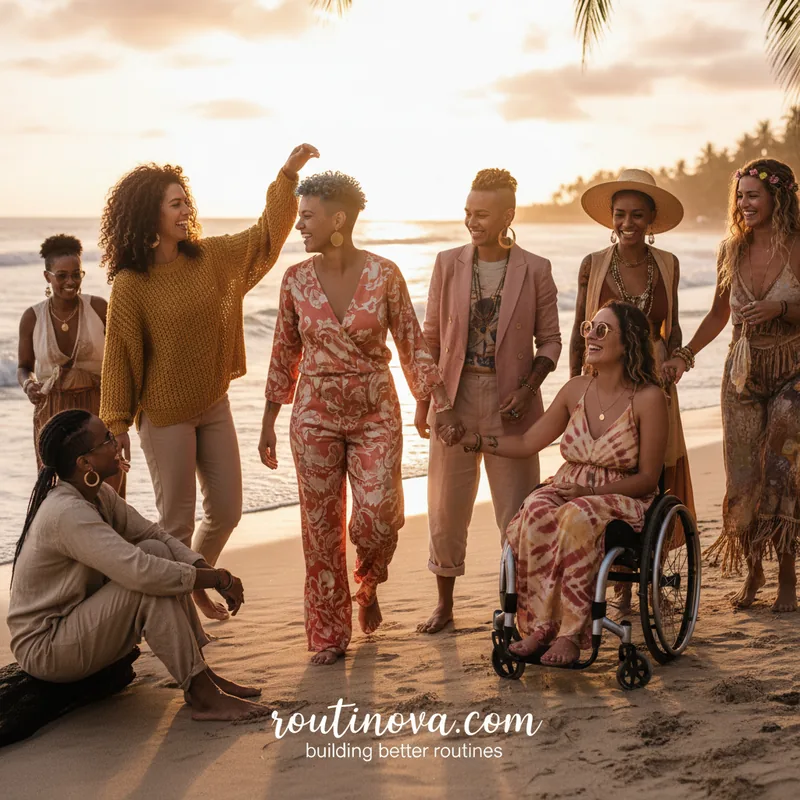
When considering what does gender expression look like in practice, it encompasses a broad spectrum that often interacts with the male and female gender binary, but also extends beyond it. Gender expression can be described using various terms, reflecting its multifaceted nature:
- Masculine: Expressions traditionally associated with men, such as short hair, tailored suits, or assertive body language.
- Feminine: Expressions traditionally associated with women, like long hair, dresses, or softer vocal tones.
- Gender-neutral: Expressions that intentionally avoid association with either masculinity or femininity, often through androgynous clothing or presentation.
- Androgynous: A blend of masculine and feminine characteristics, or a presentation that is difficult to categorize as exclusively one or the other.
- Gender-conforming: Expression that aligns with societal expectations for one's gender identity or assigned sex.
- Gender-nonconforming: Expression that deviates from societal expectations for one's gender identity or assigned sex.
These categories are not static; they are deeply influenced by societal roles and cultural stereotypes, meaning they can evolve significantly across different times and cultures. What is considered "masculine" in one era or region might be "feminine" in another.
The binary framework of masculine and feminine can inadvertently restrict individuals from expressing themselves authentically, often due to fear of negative judgment or social repercussions. For example, a person assigned male at birth who identifies as male might enjoy wearing traditionally feminine clothing like skirts or makeup purely for personal comfort and style, demonstrating an expression that challenges norms without altering their core identity.
Similarly, a non-binary individual might express themselves through an androgynous style, intentionally mixing elements typically associated with different genders, such as a tailored suit paired with long, flowing hair. Another example could be a cisgender woman working in a male-dominated corporate environment who adopts a sharp, traditionally masculine presentation--think power suits and a structured haircut--not due to her internal gender identity, but to project authority and confidence in her professional role.
Societal Impact and Challenges
Individuals whose gender expression diverges from societal expectations, whether based on their assigned sex or gender identity, frequently encounter elevated levels of intolerance and prejudice. Research consistently indicates that transgender and gender-nonconforming individuals are disproportionately affected by discrimination (Human Rights Watch, 2022).
The ability to express one's gender through appearance, dress, and behavior is a fundamental aspect of identity and self-esteem. However, the pervasive threat of discrimination, negative social reactions, and even violence prevents many from expressing themselves authentically. This suppression can have profound negative consequences, impacting not only an individual's sense of self but also their overall mental health and well-being (Psychology Today, 2023).
Studies have also illuminated the role of gender expression in healthcare access and quality. Individuals whose gender expression does not align with their assigned birth sex often experience discrimination from healthcare providers. This can lead to significant barriers in receiving appropriate care, affecting both the availability and the standard of medical services they receive, highlighting a critical area for systemic improvement.
Navigating and Supporting Authentic Self
For those grappling with issues related to gender expression, proactive steps can significantly enhance well-being and self-acceptance. Seeking guidance from a gender-affirming mental health professional can provide a safe space to explore various facets of identity and expression. These professionals offer invaluable support in navigating personal journeys.
Prioritizing self-care is equally crucial. Engaging in activities that bring joy and taking consistent, small steps to nurture both physical and mental health can build resilience. Experimenting with different forms of gender expression, even in private or with trusted individuals, can be empowering. Simple changes like trying new hairstyles, experimenting with different clothing styles, or exploring makeup can be meaningful steps toward authentic self-expression.
Building a strong support network is also vital. Connecting with friends, family members, or mentors who understand and affirm one's feelings about gender expression can provide immense comfort. If immediate circles are unsupportive, seeking out local community groups or online platforms dedicated to gender expression and identity can offer a sense of belonging and shared experience.
For allies and supportive friends, there are tangible actions to foster an inclusive environment. Actively supporting people's gender expressions means recognizing that individuals evolve, and their self-expression may change over time. It's not necessary to fully comprehend another's experience to offer genuine support and affirmation.
Being an active ally involves speaking up against unkind treatment or discrimination based on gender expression. Learning how to advocate effectively helps create a safer, more understanding world for everyone. Crucially, always ask people for their preferred pronouns and respect them. If a mistake is made, apologize sincerely, correct yourself, and commit to using the correct pronouns moving forward.
Ultimately, what does gender expression mean for society is that it reminds us that societal roles, expectations, and stereotypes about masculinity and femininity are not fixed. They are dynamic constructs that shift across time and cultures. While some regions still adhere to rigid norms, progress is being made, with some jurisdictions, like Ontario and New York State, enacting laws to protect individuals from discrimination based on their gender expression, paving the way for a more inclusive future.