When illness strikes, our bodies often react in unexpected ways, and sometimes, our subconscious takes us on a bizarre journey. Many people report experiencing incredibly vivid, unsettling, or repetitive dreams when their body temperature rises. These intense nocturnal experiences are commonly known as “fever dreams,” and they can leave you wondering: what does a fever dream mean?
A fever dream is a distinct type of dream characterized by its surreal, often disturbing nature, occurring when your body is fighting an illness and experiencing an elevated temperature. These dreams are typically more intense and emotionally charged than regular dreams, frequently involving strange narratives, repetitive scenarios, and negative emotions. Understanding what does a fever dream mean involves delving into the physiological and psychological impacts of fever on our sleeping brain.
In this comprehensive guide, we’ll explore the characteristics, causes, and psychological interpretations of fever dreams. We’ll also share real-life accounts and offer practical strategies for coping with these peculiar nocturnal adventures, all while keeping the latest insights from 2025 in mind.
Understanding Fever Dreams: Characteristics and Common Themes
Fever dreams are often profoundly different from our everyday dreams, leaving a lasting impression due to their intensity and unusual content. When your body temperature climbs, typically above 99°F in the morning or 100.4°F later in the day, your brain’s normal sleep processes can be significantly altered. This shift often leads to dreams that are more vivid, intense, and frequently disturbing. (Merck Manuals)
These dreams tend to be highly emotional, often veering into negative territory, such as sadness, anxiety, or outright fear. The heightened emotional response is believed to stem from changes in neurochemistry within the brain during a fever, which can activate the body’s fight-or-flight response even during sleep. Many individuals report a strong sense of urgency or threat within these dreamscapes.
A defining characteristic of fever dreams is their repetitive nature. It’s common for the same scenario, image, or feeling to loop endlessly, creating a sense of frustration or inescapable dread. This repetition can make the dreams feel even more overwhelming and difficult to shake off upon waking. So, what does a fever dream mean in terms of its typical presentation? It usually signifies a deeply immersive and often unpleasant nocturnal experience.
Research into the specific characteristics of fever dreams, while limited, consistently points to these common themes. A 2020 study involving 164 participants, with 100 detailing their fever dreams, revealed consistent patterns. Participants described their fever dreams as significantly stranger, more negatively toned, and often centered around themes of health and temperature compared to their non-fever dreams (Schredl & Erlacher, 2020). Similarly, a 2016 study of 62 individuals found that fever dreams were generally more surreal, intense, and predominantly negative in emotional tone (Schredl et al., 2016). Further studies have identified increased spatial distortions, such as moving walls or creatures with disproportionate limbs, and threatening imagery like menacing animals, large objects, or perceived threats, as recurring elements (Schredl & Erlacher, 2020). As we move into 2025, a deeper understanding of these patterns helps us better define what a fever dream means for those experiencing them. (Harvard, 2024)
The Science Behind Fever Dreams: Why Sickness Sparks Surreal Slumbers
The mechanisms behind fever dreams are fascinating, illustrating the profound connection between our physical state and our mental landscape. When you have a fever, your body undergoes numerous changes, from feeling achy and nauseous to experiencing respiratory symptoms and mood shifts. A 2013 study highlighted that vivid dreams and hallucinations are indeed common symptoms associated with fever, suggesting a direct impact on neurological function (Ames et al., 2013). Even minor fluctuations in body temperature have been shown to influence both mood and cognitive processes (Schredl & Erlacher, 2020).
The primary explanation for why elevated body temperature triggers such peculiar dreams lies in the brain’s response to overheating. Just as the rest of the body struggles under increased heat, the brain also experiences a functional disruption. This suboptimal brain function can lead to our dreams becoming considerably stranger than usual. As Dr. Carder Stout, a psychologist specializing in sleep disorders and dreams, explains, this phenomenon isn’t exclusive to fevers; it also occurs during severe allergic reactions where body temperature rises alongside perspiration. “It seems that fever dreams occur when the body temperature is elevated and some sort of irritant—allergy, infection, or virus is present,” he notes, underscoring the systemic impact of physiological stress.
Dr. Chelsie Rohrscheib, a neuroscientist and sleep expert, elaborates on how increased body temperatures interfere with sleep regulation. She explains that a fever makes it harder for the brain to manage the four stages of sleep effectively. This can result in the premature initiation of Rapid Eye Movement (REM) sleep, the stage where most dreaming occurs, or an excessive amount of time spent in REM sleep. (National Institute of Neurological Disorders and Stroke)
Furthermore, elevated temperatures can profoundly alter the brain’s neurochemistry. These changes can trigger dreams that are significantly more intense, bizarre, or disturbing than what one might experience during a healthy night’s rest. Dr. Rohrscheib points out that neurotropic medications, which directly affect brain function, can have a similar impact on dream content. Individuals already predisposed to certain psychological conditions, such as depression, or those with specific sleep disorders, may find themselves more susceptible to experiencing these vivid and often distressing fever dreams (Schredl & Erlacher, 2020). Understanding these scientific underpinnings helps clarify what does a fever dream mean from a biological perspective. (Harvard, 2024)
Decoding the Message: Psychological Interpretations of Fever Dreams
Beyond the physiological explanations, fever dreams offer a rich field for psychological interpretation, providing insights into how our unconscious mind processes illness and distress. Psychologists have long explored the meaning of dreams, with pioneers like Freud and Jung proposing theories about how dreams reflect our deepest thoughts, motivations, and anxieties (Roesler, 2020). So, what does a fever dream mean from a psychological standpoint? It often serves as a symbolic representation of the body’s struggle and the mind’s attempt to cope with discomfort.
Dr. Stout suggests that in fever dreams, the brain translates the body’s physical discomfort into a signal for the psyche. Dreams, originating in the unconscious, can be powerfully influenced by real-world stressors, such as an illness. While the specific meaning can vary from person to person, a common thread in fever dreams is the manifestation of the fever itself as a frightening figure or experience. This allows the unconscious mind to personify the internal threat.
The illness or fever might take on the guise of a “character” in the dream—perhaps a cloaked figure, a menacing monster, or even unsettling images like snakes, bugs, or illicit substances. Anything that evokes fear and a sense of potential harm can become a symbol representing the fever or the underlying sickness. This symbolic imagery is the psyche’s way of externalizing the internal battle the body is fighting.
Another interpretation is that fever dreams symbolize a person’s attempt to avoid or escape something dangerous, whether it’s the virus itself or the overwhelming feeling of sickness. The intense fear and concern associated with being feverish are often mirrored in the dream’s narrative, leading to negative imagery, scary scenarios, or a feeling of being trapped. These dreams can be a direct reflection of our raw, unexpressed emotions concerning our vulnerability and the threat to our well-being. Therefore, understanding what does a fever dream mean psychologically involves recognizing these symbolic expressions of our internal state during illness. (Harvard, 2024)
Real-Life Insights: Personal Stories of Fever Dream Experiences
Hearing personal accounts can often provide the most profound understanding of phenomena like fever dreams, highlighting their diverse and often deeply impactful nature. While some individuals might dismiss them as merely bizarre side effects of illness, others find these dreams genuinely disturbing or even insightful. These experiences underscore that what does a fever dream mean can be a uniquely personal interpretation.
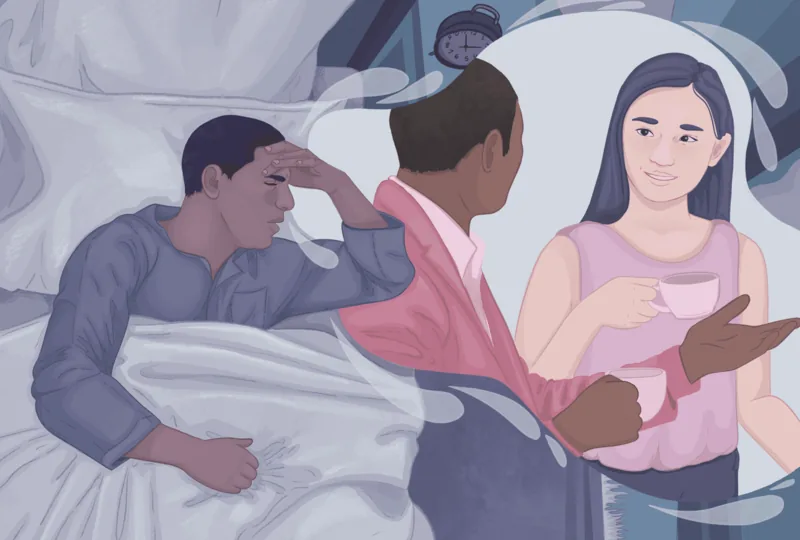
A 2013 study published in the Journal of Pain and Symptom Management captured some of these varied experiences. One participant described their fever dreams as a constant oscillation “back and forth between a very difficult circumstance and a very comfortable circumstance,” suggesting a struggle between pain and the desire for relief. Another offered a more abstract portrayal, likening their dreams to “a New York state of mind,” involving conversations with faces in a crowd, often characterized by “smart alecky” dialogue (Ames et al., 2013). This illustrates how fever dreams can manifest not just as terrifying visions, but as disorienting social interactions.
Dr. Carder Stout shared a poignant personal experience, noting how his fever dreams often harked back to past struggles. As a recovering addict, he sometimes dreams of engaging in cocaine use, which historically elevated his heart rate and caused sweating—much like the physical sensations of a fever. This connection reveals how current physiological states can trigger deeply ingrained memories and associations, making the dreams particularly potent.
Dr. Chelsie Rohrscheib, meanwhile, describes her fever dreams as highly repetitive. “When I have a fever, I have dreams that repeat on a loop, in which I have the same dream over and over,” she explains. She also experiences dreams where she’s tasked with an impossible mission, no matter how much effort she expends. This sense of futility and endless repetition is a common thread in many fever dream narratives.
Here are a few additional examples of fever dream experiences:
- The Shrinking Room: One individual described dreaming of being in a familiar room, but the walls slowly and relentlessly moved inward, threatening to crush them. The sense of suffocation and claustrophobia was overwhelming, mirroring the feeling of being physically confined by illness.
- The Unsolvable Puzzle: Another person recounted a recurring dream where they were presented with an intricate, impossible puzzle. Every attempt to solve it led to frustration and the realization that the pieces simply didn’t fit, creating a profound sense of helplessness and mental fatigue.
- Distorted Familiarity: A common theme involves familiar places becoming unnervingly distorted. Someone might dream of their childhood home, but the rooms are impossibly stretched, the furniture is upside down, or gravity behaves erratically, creating a disorienting and unsettling atmosphere.
These varied accounts highlight that what does a fever dream mean is often about the individual’s internal processing of their physical discomfort and underlying anxieties, manifesting in unique and often unsettling ways. (Harvard, 2024)
Navigating the Nightmare: Practical Tips for Coping with Fever Dreams
While unsettling, fever dreams are generally not a cause for serious alarm. For most people, they are a temporary annoyance that subsides as the fever breaks. “For the most part, fever dreams are a minor annoyance and go away after a night or two,” assures Dr. Rohrscheib. However, understanding what does a fever dream mean in the context of your overall health is crucial. If intense dreams occur frequently without a fever or clear medication cause, they might signal an underlying health issue, such as a sleep disorder or a mental health condition. In such cases, consulting a healthcare professional for advice is highly recommended.
If your fever dreams are emotionally disturbing, triggering difficult memories, or persistently affecting your well-being, seeking support from a therapist can be beneficial. Dr. Stout emphasizes the value of discussing dreams in therapy, believing that “much wisdom may be gleaned from the action and characters of a dream.” Dreams can offer clues about our inner world if we learn how to interpret them. A therapist can help you process the emotions and symbols present in your dreams, even those brought on by illness.
To help manage fever dreams, consider these practical coping strategies:
- Manage Your Fever: The most direct approach is to reduce your fever using doctor-recommended medications like acetaminophen or ibuprofen, and by staying hydrated. Keeping your body temperature stable can alleviate the physiological triggers for these dreams.
- Ensure a Cool Sleep Environment: Maintain a cool room temperature and use light bedding. Overheating during sleep can exacerbate fever dreams.
- Practice Good Sleep Hygiene (When Possible): Even when sick, try to maintain some semblance of a sleep routine. Avoid caffeine and heavy meals before bed.
- Stay Hydrated: Dehydration can worsen overall illness symptoms and potentially impact dream vividness. Drink plenty of fluids throughout the day.
- Mindful Waking: If you wake from a disturbing fever dream, take a moment to reorient yourself. Remind yourself it was just a dream and that you are safe. Gentle breathing exercises can help calm your mind.
Finally, while fevers are often benign and run their course, it’s vital to recognize warning signs that necessitate urgent medical attention. These include:
- A noticeable change in cognitive abilities, such as confusion or disorientation.
- A stiff neck and/or a severe headache.
- The appearance of small, flat, purple or red spots on the skin.
- A racing heartbeat.
- Difficulty breathing.
- Low blood pressure.
- A body temperature exceeding 104°F.
Understanding what does a fever dream mean for your health involves both acknowledging their temporary nature and knowing when to seek professional medical advice. (Harvard, 2024)
Beyond the Bizarre: Understanding the Broader Impact of Illness on Sleep
While fever dreams are a striking manifestation of illness affecting our sleep, it’s important to recognize that sickness impacts sleep in numerous other ways. The discomfort of a sore throat, persistent cough, body aches, or nasal congestion can severely disrupt normal sleep architecture, making it challenging to fall asleep, stay asleep, and achieve restorative rest. This broader impact on sleep is crucial for recovery, highlighting that what does a fever dream mean is just one facet of a larger challenge.
During illness, our bodies require extra rest to allow the immune system to effectively fight off pathogens. However, the very symptoms designed to signal illness often interfere with this essential recovery process. Pain and discomfort can make finding a comfortable sleeping position difficult, leading to fragmented sleep. Respiratory symptoms like coughing and congestion can cause frequent awakenings, further disrupting the crucial REM and deep sleep stages. This constant interruption means the body struggles to complete its natural sleep cycles, which are vital for physical repair and mental rejuvenation.
The quality of sleep directly influences the strength of our immune response. Studies consistently show that adequate, high-quality sleep enhances the body’s ability to produce cytokines, which are proteins that target infection and inflammation, effectively creating an immune response. Conversely, sleep deprivation, especially during illness, can suppress immune function, potentially prolonging recovery time or making one more susceptible to secondary infections. Therefore, while what does a fever dream mean is a question of specific dream content, the overall disturbance to sleep due to illness has significant implications for health outcomes.
As we progress into 2025, the medical community continues to emphasize the holistic approach to managing illness, where sleep support plays a central role. Recommendations often include maintaining a consistent sleep schedule even when sick, creating a dark and quiet sleep environment, and addressing symptoms that interfere with sleep through appropriate medication or home remedies. Prioritizing rest, even when dreams are bizarre, is a fundamental component of healing. By understanding the full spectrum of how illness affects sleep, from vivid dreams to fragmented rest, individuals can better support their recovery journey. (Harvard, 2024)
The Bottom Line
Fever dreams are a common, albeit often unsettling, experience when battling an illness. Characterized by their surreal, intense, and often repetitive nature, they are largely a product of your elevated body temperature affecting brain function and disrupting normal sleep cycles. While they can be bizarre and disorienting, what does a fever dream mean is typically not a sign of anything dangerous in itself. They are usually a temporary side effect that resolves as your fever subsides.
However, it’s crucial to differentiate between these transient dream experiences and more serious symptoms. If you’re experiencing significant confusion, disorientation, or other acutely severe symptoms alongside your fever, it’s imperative to promptly seek medical attention. Otherwise, understanding the physiological and psychological underpinnings of fever dreams can help demystify these strange nocturnal journeys, allowing you to focus on recovery and well-being.