Sarah was the epitome of success. A rising star in her corporate firm, she juggled complex projects, led high-stakes meetings, and always met her deadlines with an unshakeable calm. Her apartment was immaculate, her workout routine relentless, and her social calendar packed. Yet, every morning, as she stared at her reflection, she felt an unsettling hollowness. A dull ache of exhaustion that no amount of sleep could fix, a brain fog that clouded her sharp mind, and a persistent feeling that she was watching her own life unfold from a distance. What Sarah, and countless others like her, didn't realize was that she was experiencing a phenomenon known as functional freeze, a subtle yet profound trauma response where the body and mind go into autopilot.
Unmasking Functional Freeze: The Silent Autopilot
Functional freeze is an often-misunderstood trauma response that manifests as a state of profound emotional disconnection and a sense of going through the motions. Unlike the more recognized 'fight, flight, or fawn' responses, someone in functional freeze appears outwardly composed, even thriving. They continue to perform daily responsibilities, excel in their careers, and maintain social connections, but internally, they are profoundly disengaged.
It's a clever, albeit detrimental, coping mechanism. Our brains and bodies collaborate to help us navigate overwhelming situations, allowing us to 'function' when we might otherwise shut down completely. However, this adaptation comes at a significant cost: a dramatically diminished quality of life, devoid of genuine presence and joy (Edelman, 2023).
Think about it this way: while the classic 'freeze' response might leave someone literally stuck and unable to act, functional freeze allows movement, but without the 'driver' fully present at the wheel. You're still driving, but you're not really *there*.
How It Differs From Other Trauma Responses
To truly understand functional freeze, it helps to contrast it with the other well-known trauma responses:
- Fight: This response floods the nervous system with adrenaline, preparing the body to confront a perceived threat head-on.
- Flight: The same adrenaline surge can trigger the urge to escape the traumatic situation, to flee from harm.
- Fawn: This involves appeasing or people-pleasing a perceived threat or perpetrator in hopes of ensuring safety.
- Freeze: Here, the body becomes immobile, often feeling stuck or paralyzed in the face of danger. It can manifest as quietness, mental fogginess, or a sense of unreality.
Functional freeze is a close cousin to the traditional freeze response, but with a crucial distinction: instead of being incapacitated, the individual continues to operate, albeit robotically. It's an internal shutdown that allows external performance.
The Subtle Signs: Are You Experiencing It?
Because functional freeze is so insidious, it often goes unnoticed, even by the person experiencing it. The signs are less about dramatic breakdowns and more about a pervasive sense of emptiness and detachment. Here are some key indicators:
- A persistent feeling of going through the motions, day after day, without genuine engagement.
- Emotional numbness; joy feels muted, sadness feels distant, and strong emotions are rare.
- A sense of unreality, as if life is happening around you, but you're not truly part of it.
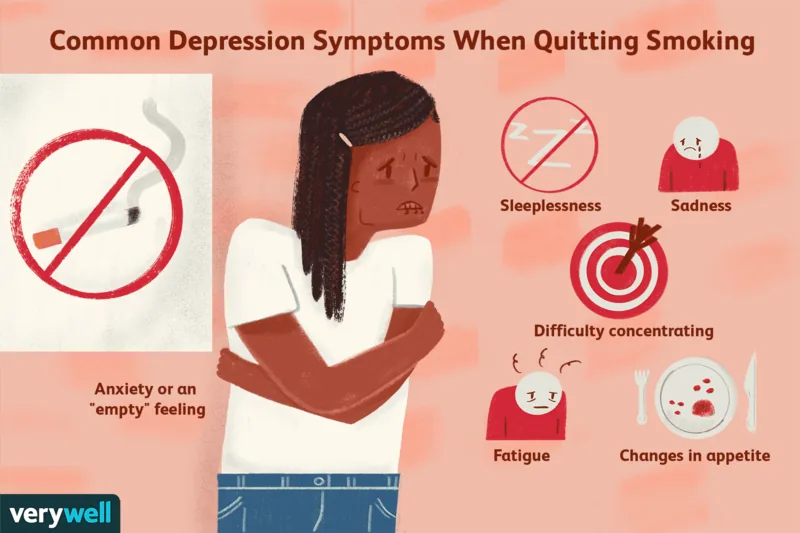
- Chronic brain fog, manifesting as exhaustion, difficulty concentrating, or a general mental sluggishness.
- Feeling disconnected from activities that once brought immense joy, like a hobby or a favorite pastime.
- Engaging in self-care practices (journaling, yoga, exercise) but feeling no internal shift or relief.
Consider the new mother who meticulously cares for her infant, feeding, changing, and comforting on schedule, yet feels utterly devoid of the emotional connection she expected. Or the student who studies relentlessly, achieves top grades, but feels no pride or satisfaction, only a hollow sense of completion. These are poignant examples of functional freeze at play.
Why We Freeze: The Root Causes
Functional freeze doesn't typically emerge from a single, isolated traumatic event. Instead, it's often the result of prolonged or chronic overwhelm, a nervous system pushed past its limits repeatedly (Noordewier et al., 2019). Environments characterized by instability, high stress, or emotional neglect are fertile ground for this trauma response to develop.
Imagine a child growing up in a chaotic household, where emotional safety is unpredictable. To survive, their system learns to disconnect, to become 'invisible' internally while still performing the necessary actions to navigate their world. This adaptive strategy, honed in childhood, can then carry into adulthood, manifesting as functional freeze when faced with new stressors.
It's not about weakness; it's about survival. The body and mind are attempting to protect themselves from continuous perceived threat, even if that threat is now internal or historical. This brings us to something unexpected: while it helps us cope, it also prevents us from truly living.
Thawing Out: Strategies for Reconnection
The good news is that functional freeze is not a life sentence. Reconnecting with your body and the present moment is key to thawing out. Grounding techniques are powerful tools for this:
- Engage Your Senses: Actively identify five things you can see, four things you can feel (texture, temperature), three things you can hear, two things you can smell, and one thing you can taste. This pulls your awareness into the immediate environment.
- Listen to Your Body's Needs: Is your body screaming for rest or gentle activation? If it's rest, dim the lights, use a weighted blanket, or listen to calming music. If it's activation, try gentle stretches, a short walk, or simply shaking out your limbs.
- Shift Your Environment: Changing your physical surroundings can signal to your brain that a new mode is possible. Step outside, move to a different room, or even change your clothes. These small shifts can create powerful breaks in the cycle.
- Practice Somatic Exercises: Slow, mindful movements like gentle yoga, tai chi, or even simply noticing the sensation of your feet on the floor can help you re-inhabit your body.
- Name Your Reality: Verbally identifying what you see, feel, and hear around you, without judgment, can anchor you back to the present. This simple act of observation can be incredibly powerful in breaking the spell of disconnection (Chu et al., 2025).
These practices aren't just quick fixes; they are consistent invitations to return to yourself, to rebuild the bridge between your internal world and your external experience. With sustained awareness and support, it's possible to thaw, reconnect, and rediscover a sense of grounded strength.
When to Seek Professional Guidance
If the descriptions of functional freeze resonate deeply with your experience, don't hesitate. There's no need to wait until things feel 'bad enough.' While you might be managing daily life, merely functioning isn't the same as truly living.
A trauma-informed therapist can provide invaluable support in navigating this complex response. They can help you understand the roots of your functional freeze, process underlying traumas, and develop personalized strategies for reconnection. Look for therapists specializing in modalities like EMDR (Eye Movement Desensitization and Reprocessing) or somatic experiencing, which are designed to address the physiological impacts of trauma. Remember, settling for mere functioning means missing out on the richness and depth of life. You deserve more.
If you find yourself in crisis, please reach out for immediate support. In the U.S., you can text HOME to 741741 to connect with a crisis counselor or call 988.