The world spins faster every day, leaving many of us feeling like we're constantly on the verge of a panic attack. We've all been there: the racing heart, the shortness of breath, the knot in your stomach that just won't budge. While professional help is invaluable, sometimes the most powerful tools for taming anxiety are already within us, waiting to be unleashed. What if you could learn to quiet the storm in your mind with nothing more than your imagination? Visualization techniques can help you reclaim your calm, transforming distressing symptoms into manageable moments.
What is Visualization and How It Helps
At its core, visualization is the practice of creating vivid mental images and sensory experiences to evoke desired feelings or states of mind. Think of it as daydreaming with a purpose. Instead of letting your mind wander to worst-case scenarios - a common hallmark of anxiety - visualization guides your imagination toward peacefulness, confidence, or motivation. It's a potent way to dial down that overactive fight-or-flight response that anxiety so often triggers, offering a much-needed respite.
The reason visualization techniques can help is profound. When anxiety strikes, your thoughts can become a breeding ground for worry, focusing on potential disasters and amplifying fear. Visualization acts as a mental anchor, redirecting your focus to calming, serene imagery. It's not magic; it's a skill that, with practice, can significantly enhance your ability to relax and regain control.
Consider this: if you're picturing yourself failing a presentation, your body often reacts as if that failure is imminent. Conversely, when you vividly imagine yourself succeeding, feeling confident and articulate, your body begins to mirror that positive state. This mental rehearsal primes your brain and body for the desired outcome.
Exploring Different Visualization Approaches
The beauty of visualization lies in its adaptability. There's no single right way to do it; the most effective method is the one that resonates most deeply with you. Here are a few popular avenues:
Guided Imagery for Instant Escape
This is perhaps the most common form, where you follow a narrative or prompt to create a mental scene. Imagine stepping onto a sun-drenched beach, the warm sand between your toes, the gentle rhythm of waves lulling you into a state of pure bliss.
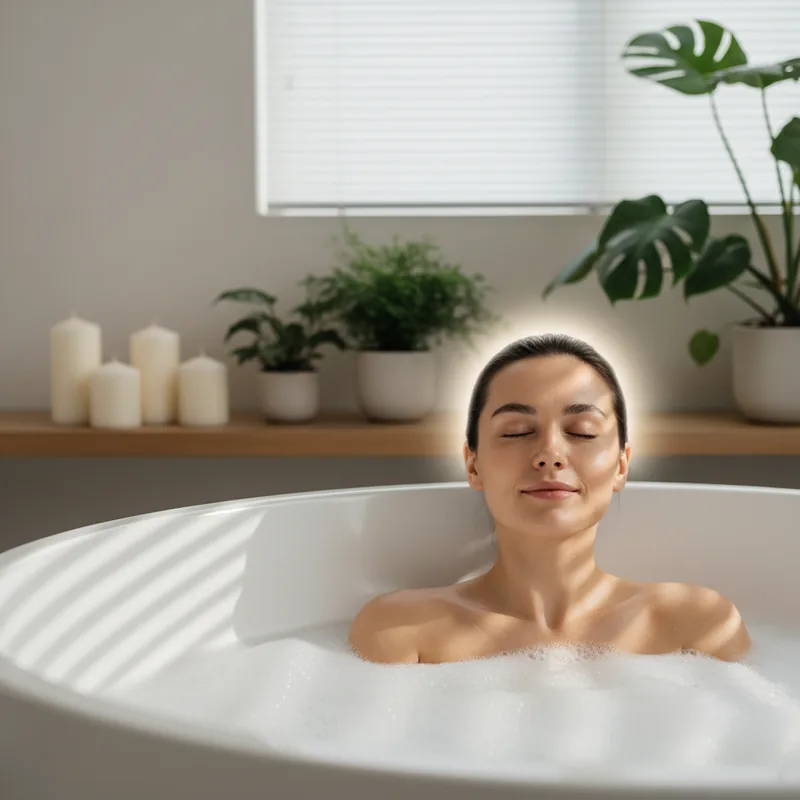
Let's try a quick exercise: Close your eyes. Picture a place where you feel completely safe and at peace. Maybe it's a quiet forest clearing, a cozy fireplace nook, or a mountaintop vista. Engage all your senses. What do you hear? The rustling leaves, the crackling fire, the distant cry of a hawk? What do you smell? Damp earth, woodsmoke, crisp mountain air? Feel the temperature on your skin, the texture of the ground beneath you. Allow yourself to fully inhabit this tranquil space, letting go of any tension in your shoulders, jaw, and brow. When you're ready, slowly bring your awareness back, knowing this sanctuary is always accessible.
This type of visualization can be incredibly effective for a quick escape from daily stressors. Research supports that nature-based guided imagery can significantly reduce state anxiety (Nguyen & Brymer, 2018).
Visualizing Success and Goals
Visualization techniques can help not just with anxiety reduction but also with achieving aspirations. Athletes have long used this to hone their performance, picturing themselves executing perfect moves and achieving victory. But you don't need to be an athlete to benefit.
If social anxiety is a hurdle, imagine yourself at a party. You're not hiding in a corner; you're engaging in lighthearted conversations, laughing, and feeling genuinely connected. Notice how your body feels - relaxed, open, at ease. This mental rehearsal can make the real event feel less daunting, simply because you've already navigated it successfully in your mind (Moon et al., 2020).
Or perhaps you're aiming for a career advancement. Visualize yourself confidently presenting your ideas in a meeting, receiving positive feedback, and feeling the satisfaction of a job well done. This practice helps build self-efficacy and can make those ambitious goals feel more attainable.
Compassion and Understanding Through Visualization
Visualization can also be a powerful tool for fostering self-compassion and empathy, crucial elements when dealing with anxiety. By directing kind thoughts and images toward yourself or others, you can soften difficult emotions.
Try this: Sit quietly and bring to mind a situation causing you stress or a person with whom you've had conflict. Instead of dwelling on anger, visualize sending them feelings of peace and understanding. Repeat a gentle mantra like, "May we both find peace." This practice can help release tension and cultivate a more compassionate outlook (Conversano et al., 2020).
For self-compassion, picture yourself as you would a dear friend going through a tough time. Offer yourself the same kindness, understanding, and encouragement. Visualize yourself surrounded by a warm, supportive light, reinforcing your inherent worthiness.
Getting Started with Your Visualization Practice
Ready to tap into your imagination? Here's how to set yourself up for success:
- Create a Conducive Environment: Find a quiet space where you won't be interrupted. Turn off notifications, let loved ones know you need a few minutes, and perhaps dim the lights. Comfort is key.
- Settle Your Body: Sit or lie down in a position that feels natural and relaxed. Loosen any tight clothing or jewelry.
- Prepare Your Breath: Begin with a few deep, slow breaths. Inhale deeply through your nose, filling your belly with air, and exhale slowly through your mouth. This signals to your body that it's time to relax.
- Progressive Muscle Relaxation (Optional but Recommended): Before diving into imagery, you can gently tense and then release different muscle groups throughout your body, starting with your toes and working your way up. This helps release physical tension.
- Set Aside Time: Aim for 5-15 minutes initially. Consistency is more important than duration.
Making Visualization Work for You
As you engage in your chosen visualization, remember to immerse yourself fully. Don't just see the scene; experience it with all your senses. What do you hear, smell, taste, and feel? The more details you incorporate, the more real and impactful the experience becomes.
When it's time to conclude, don't jolt yourself back to reality. Gradually bring your awareness back to your surroundings, perhaps wiggling your fingers and toes, and slowly opening your eyes. Carry the sense of calm with you.
Practice regularly, ideally when you're not in the throes of intense anxiety. This builds your mental muscle, making visualization a readily available tool when you need it most. Over time, you'll find yourself able to access these calming states more quickly and effectively.
Remember, visualization techniques can help, but patience is essential. If one approach doesn't click, try another. If you're consistently struggling with anxiety, reaching out to a healthcare professional is a vital step toward finding personalized support and effective coping strategies (Kozlowska et al., 2015).