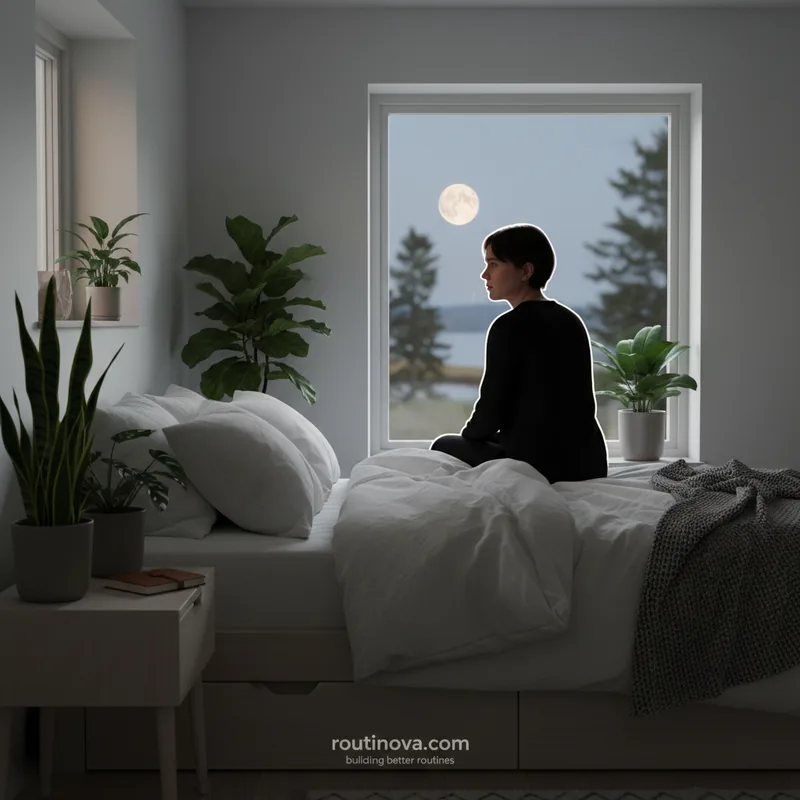
Do you dread the moment your head hits the pillow, your heart beginning to race at the mere thought of closing your eyes? You're not alone if the idea of sleep triggers a wave of panic, rather than peace. This isn't just everyday anxiety; for some, it's a profound fear known as somniphobia. So, what is somniphobia? It's an intense, often irrational fear of sleep itself, transforming a natural, vital process into a source of overwhelming distress.
This phobia can hijack your nights and bleed into your days, making concentration a struggle and leaving you chronically exhausted. Understanding what is somniphobia is the first step toward reclaiming your rest and restoring balance to your life.
What is Somniphobia and How Does it Feel?
Somniphobia isn't just a dislike of sleep or occasional insomnia; it's a specific phobia where the fear of falling asleep or being asleep becomes debilitating. People with somniphobia experience excessive worry surrounding sleep, often delaying bedtime and struggling to concentrate during the day due to pervasive anxiety (Cleveland Clinic, 2022).
Imagine this: the clock ticks past your usual bedtime, but you're still wide awake, scrolling on your phone, cleaning, or finding any distraction to avoid the inevitable. Each minute closer to sleep brings a surge of physical sensations: a rapid heartbeat, chest tightness, clammy hands, or even nausea. This isn't a choice; it's your body's panic response taking over.
The Unmistakable Signs
While the experience can be deeply personal, certain symptoms commonly signal the presence of this intense fear. Recognizing these can be crucial for seeking help. Some common indicators include:
- Delaying bedtime: You might find yourself doing anything to avoid going to bed, pushing sleep away as long as possible.
- Obsessive thoughts: Your mind may be constantly preoccupied with sleep-related worries, both day and night.
- Difficulty concentrating: Severe worry about sleep can make it nearly impossible to focus on daily tasks.
- Mood swings: Chronic sleep deprivation and anxiety can lead to irritability and a short temper.
- Need for distractions: Relying on background noise, like the TV or lights, to feel safer at bedtime.
- Physical panic symptoms: Experiencing labored breathing, a racing heartbeat, or nausea when facing the prospect of sleep.
For children, somniphobia might manifest as strong resistance to bedtime, frequent tantrums, an inability to sleep alone, or recurring night wakings. If these signs sound familiar, it's worth speaking with a healthcare provider.
The Roots of Sleep Fear: Why We Dread the Night
While the exact causes of somniphobia remain a subject of ongoing research, it's clear that this fear isn't born in a vacuum. Often, it's deeply intertwined with other sleep disturbances or past traumatic experiences, creating a complex web of anxiety that makes restful sleep feel impossible. The question of what is somniphobia often leads to exploring these underlying connections.
When Sleep Itself Becomes a Threat
For many, somniphobia is linked to specific sleep parasomnias - unusual and undesirable physical or experiences that happen while falling asleep, sleeping, or waking up. These experiences can make the act of sleeping feel genuinely unsafe or distressing. Common culprits include:
- Sleep paralysis: Waking up unable to move or speak, often accompanied by terrifying hallucinations, can understandably instill a deep fear of entering that state again.
- Nightmares: Frequent, vivid, and disturbing nightmares can make falling asleep feel like an invitation to terror.
Imagine experiencing sleep paralysis, feeling utterly vulnerable and unable to move, while a shadowy figure looms in your peripheral vision. This kind of harrowing experience can easily plant a seed of fear that blossoms into a profound aversion to sleep.
Beyond the Bedroom: Trauma's Lingering Shadow
The connection between somniphobia and post-traumatic stress disorder (PTSD) is particularly strong. Research, such as a 2018 study in the Journal of Clinical Sleep Medicine, highlights how fear of sleep can be a symptom of PTSD, stemming from nervous system changes and a persistent state of hypervigilance (Kanady et al., 2018). For individuals who have endured trauma, the vulnerability of sleep can feel like a dangerous surrender.
Furthermore, an underlying fear of death, known as thanatophobia, can also fuel somniphobia. The thought of losing consciousness, even temporarily, can trigger anxieties about mortality for some individuals.
Finding Your Way Back to Rest: Treatment Options
The good news is that somniphobia is highly treatable. Like other specific phobias, it often responds well to a combination of therapeutic approaches and, in some cases, medication. The goal is to dismantle the fear, piece by piece, and rebuild a healthy relationship with sleep.
Therapy: Rewiring Your Relationship with Sleep
Different therapy modalities offer powerful tools to address the underlying anxiety and thought patterns associated with somniphobia:
- Cognitive-Behavioral Therapy (CBT): This approach helps you identify and challenge the irrational thoughts that fuel your fear. By understanding how your thoughts influence your feelings and behaviors, you can learn to reframe your perception of sleep (American Psychological Association, 2023).
- Cognitive-Behavioral Therapy for Insomnia (CBT-i): A specialized form of CBT, CBT-i directly targets sleep-related issues and fears. It incorporates relaxation techniques, sleep hygiene education, stimulus control, cognitive restructuring, and sleep consolidation practices, offering a comprehensive pathway to better sleep (Anxiety & Depression Association of America, 2023).
- Exposure Therapy: Under the guidance of a therapist, this therapy gently and safely exposes you to the things you fear. For somniphobia, this might involve gradually increasing your comfort with sleep-related cues, helping you desensitize yourself to the anxiety (American Psychological Association, 2023).
Medication: A Helping Hand
While therapy often forms the cornerstone of treatment, certain medications can be used to manage the intense anxiety and panic associated with somniphobia. These are typically most effective when used in conjunction with ongoing therapy. Options may include:
- Beta-blockers: These can help manage the physical symptoms of anxiety, such as a racing heart.
- Benzodiazepines: Short-term use may be prescribed to reduce severe anxiety, but these are generally not a long-term solution due to potential for dependency.
Daily Habits for Peaceful Nights: Coping with Somniphobia
Beyond formal treatment, integrating intentional daily habits can significantly support your journey toward overcoming somniphobia. Chronic sleep deprivation, a common side effect of this phobia, exacerbates anxiety and can negatively impact your physical health, increasing risks for issues like high blood pressure and heart problems (Anxiety & Depression Association of America, 2023).
This is where mindful sleep hygiene becomes your ally. It's about creating an environment and routine that signals safety and calm to your body and mind. Here's what that might look like:
- Digital sunset: Power down phones and other devices an hour or two before bedtime. The blue light from screens can interfere with melatonin production, our natural sleep hormone.
- Movement matters: Incorporate regular exercise into your day, but avoid strenuous workouts too close to bedtime.
- Mindfulness and meditation: Even 10-15 minutes of mindfulness or meditation can calm a racing mind. Try a guided meditation app as you wind down.
- Soothing sounds: Play relaxing music or white noise at bedtime to create a serene auditory environment.
- Boundary setting: Turn off work-related emails and avoid engaging in demanding tasks close to bedtime. Your bedroom should be a sanctuary, not an extension of your office.
- Smart sips: Avoid stimulants like coffee, chocolate, or nicotine several hours before sleep. Consider a calming herbal tea instead.
Remember that overcoming what is somniphobia is a process, not a single event. Be patient with yourself, celebrate small victories, and consistently practice these coping strategies. With the right support and dedication, you can transform your nights from dreaded battles into peaceful havens.