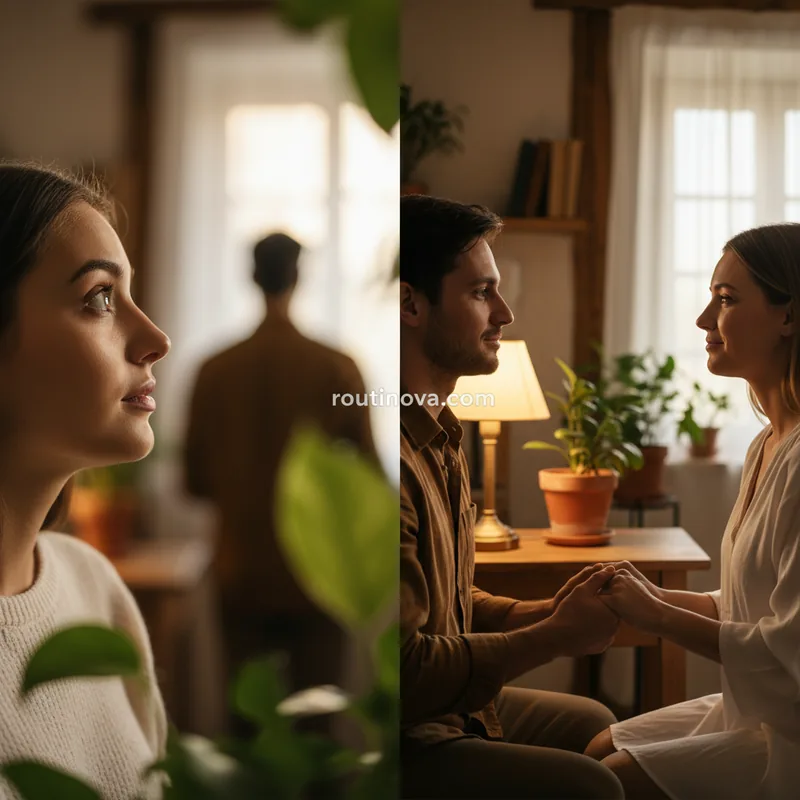
If you've found yourself staring across the dinner table at your partner, wondering where the initial spark went, take a deep breath. It's a surprisingly common experience in long-term relationships, not a sign of inevitable doom. That fiery attraction that once pulled you together can, over time, evolve or even seem to dim. The good news? This doesn't mean your relationship is over. There are concrete steps you can take to understand why this shift occurred and, more importantly, what to do if you're not attracted to your partner anymore. Often, with intention and effort, that connection can be rekindled, sometimes even stronger than before. Long-term partnerships naturally go through phases, and a dip in attraction is a normal, albeit frustrating, part of that journey. Understanding these shifts is the first step toward reigniting the flame.
The Essence of Attraction in Relationships
At its core, attraction is far more than just surface-level appeal; it's a profound reaction to a complex blend of physical, mental, emotional, and intellectual qualities we find desirable in another person (Romanoff, 2023). It's the magnetic pull that initially drew you together, filling those early days with excitement and a deep craving for each other's time and attention. This potent chemistry doesn't just kickstart a relationship; it serves as the fundamental link for nearly all types of affection and connection between partners.
Think about the myriad ways this attraction manifests. It's in the verbal expressions of love, encouragement, and appreciation you share. It fuels the physical contact--the comforting cuddles, warm hugs, simple hand-holding, and intimate moments. Attraction makes you prioritize quality time, whether it's deeply engaging in shared activities or simply enjoying each other's quiet company. It inspires acts of service, those thoughtful gestures that make life easier or more joyful for your partner. And yes, it can even be seen in the giving of personalized, meaningful gifts. Without this foundational attraction, many of these expressions of love can feel hollow, forced, or even cease to occur, leaving a palpable void in the relationship.
Without attraction, many of these types of connections do not occur.
-- Sabrina Romanoff, PsyD
As months turn into years, it's natural for the intensity of this initial pull to change. The insatiable urge to be together every waking moment might soften, and you might start to question if the spark is still there. This evolution is normal, but it can certainly feel unsettling, even upsetting, leaving you to wonder: what to do if you're not feeling that familiar attraction to your partner anymore?
Why the Spark Fades: Common Culprits
The journey of long-term relationships is rarely a straight line. Periods of intense connection and passionate attraction can naturally give way to phases where the spark feels dimmer. Understanding the underlying reasons for this shift is crucial for knowing how to address it. Here are some common culprits that can cause attraction to wane:
Predictability Leading to Boredom
Remember the exhilarating novelty of your early relationship? Every conversation was a discovery, every shared experience felt fresh. Over time, as safety and stability deepen--which are indeed cornerstones of a healthy partnership--that very predictability can subtly morph into boredom. The excitement of the unknown fades, replaced by comfortable routines. While routines offer comfort, a complete lack of spontaneity can make your partner, and the relationship itself, feel less stimulating. It's the difference between a thrilling adventure and a well-worn path. For example, those spontaneous weekend getaways or late-night talks that fueled your early days might have given way to every Tuesday being takeout night and a specific TV show. This consistent pattern, without breaks, can cause you to feel less interested and engaged (Langeslag & van Strien, 2016).
Physical Attraction Evolves
Our bodies change, and so do our perceptions. Over the years, partners may experience shifts in their physical appearance due to age, lifestyle, health, or personal choices. For some, this can lead to a feeling that the physical chemistry that once sizzled has cooled. It's not always about a dramatic transformation; sometimes it's a gradual shift in how you perceive your partner's physical presence, or perhaps a feeling that the effort put into appearance has diminished. This can be a sensitive area, but acknowledging its potential impact is important.
Romance Takes a Backseat
Life has a way of encroaching on romance. Between demanding careers, raising children, managing a household, and navigating personal stressors, intentional romantic gestures can easily fall by the wayside. Date nights might become rare occurrences, intimate conversations might be replaced by logistical planning, and moments of playful affection can become scarce. When you and your partner settle into a routine that prioritizes practicality over passion, the high degree of intimacy in terms of shared life can ironically coexist with a diminished sense of romance. It's easy to let date nights morph into running errands together, or intimate conversations turn into a detailed review of the kids' schedules (Mostova et al., 2022). This lack of romantic nurturing can leave both partners feeling less desired and less connected.
Unresolved Conflicts Create Distance
Every relationship faces conflicts, whether they revolve around finances, parenting styles, division of household responsibilities, or even past infidelities. The real issue isn't the conflict itself, but how it's handled. When disagreements are left unresolved, they can fester, breeding anger, resentment, and a breakdown in open communication. This emotional baggage creates significant distance between partners, making it incredibly difficult to feel attracted to someone with whom you feel disconnected or resentful (Overall & McNulty, 2017). The emotional barriers become physical ones, making intimacy feel strained or impossible.
Rekindling the Flame: Actionable Steps
Discovering that you're not as attracted to your partner as you once were can be disheartening, but it's far from a death sentence for your relationship. This feeling is an opportunity for growth and reconnection. Here's what to do if you're ready to roll up your sleeves and reignite that spark:
Unpack the Root Cause
Before you can embark on a path to reconnection, you need to become a detective of your own emotions. Take dedicated time for self-reflection to understand the origins behind this shift in attraction. Is it primarily physical, emotional, or intellectual? Pinpoint when you first noticed this feeling and, more importantly, what specific situations or interactions seem to trigger it now. Conversely, recall what originally made you feel so drawn to your partner. What aspects of them, or your dynamic, have changed since then? It's also incredibly helpful to explore what you might be wanting or needing from your partner that currently feels absent (Tobore, 2020). This introspection is a vital first step, offering clarity before you engage your partner.
Open Honest Communication
Once you have a clearer understanding of your own feelings, the next, often daunting, step is to open a dialogue with your partner. This conversation must be approached with respect and empathy, focusing on your feelings rather than assigning blame. Instead of saying, "You've changed, and I'm not attracted to you," try framing it as, "Lately, I've been feeling a bit disconnected, and I miss the spark we used to share. I want to understand what's happening and how we can reconnect." Use "I" statements to express your experience and clearly articulate what you want and need from a solution-focused perspective. Remember, your partner isn't a mind-reader, and this conversation is an invitation to collaborate.
Practice Active Listening
A true dialogue involves both speaking and listening. As you share your perspective, be equally prepared to actively listen to your partner's side of things. They might have their own insights into the relationship's shifts, or they might express feelings of their own that shed light on the situation. For instance, they might share that they've felt their efforts went unreciprocated, leading them to withdraw. Beyond just asking for what you want, genuinely inquire about their needs and desires from you. This mutual exchange is fundamental to building a bridge back to connection.
Be the Change: Inject Effort and Novelty
Don't wait for your partner to initiate the changes you crave. Be the catalyst! If you desire more fun, excitement, or romance in your relationship, actively take steps to bring those elements back. Plan a surprise date, suggest a new hobby you can explore together, or simply make a conscious effort to flirt and express admiration. Take the first step yourself to initiate what you want to experience instead of passively waiting. Practice doing so from a place of genuine love and care, without unspoken expectations, bitterness, or resentment. For example, instead of wishing for more romantic evenings, plan a themed dinner at home, complete with candles and their favorite music. Notice how it feels to invite your partner to join you in creating these shared moments of joy and intimacy.
Prioritize Quality Time Together
In the whirlwind of daily life, it's easy for quality time with your partner to become an afterthought. Yet, regular, dedicated time together is crucial for fueling attraction and fostering intimacy. Remember the beginning of your relationship, when simply spending time together, doing mundane or exciting things, felt special? That time helps build shared experiences and strengthens your bond. If you want to rekindle that spark, make prioritizing time with your partner a non-negotiable. Whether it's a weekly date night, a daily walk, or simply an hour of uninterrupted conversation each evening, consciously carve out space for just the two of you. It's easy to let date nights morph into running errands together, or intimate conversations turn into logistical planning for the kids' schedules (Flood & Genadek, 2016).
Cultivate Appreciation and Focus on Positives
When negative thoughts about the relationship or your partner start to take hold, they can quickly overshadow all the good. It's vital to actively shift this pattern by making a concerted effort to recognize and appreciate your partner's positive qualities. What initially drew you to them? What admirable traits do they still possess? Try keeping a gratitude journal where you intentionally write down one specific thing you appreciate about your partner or your relationship every day. Perhaps it's how they patiently listen when you're stressed, or the thoughtful way they still make your coffee just right every morning, even after all these years. This conscious shift in focus can help you see them through a more loving lens (Song et al., 2019).
Resist the Comparison Trap
In an age of curated social media feeds, it's incredibly easy to fall into the trap of comparing your relationship to others. It might seem like everyone else is perpetually "in love" or overflowing with attraction for their partners, leading to a sense of relationship FOMO (fear of missing out). But every relationship dynamic is unique, and what you see online is rarely the full, nuanced picture. Rather than measuring your bond against idealized versions, focus on what makes your relationship special, what you've built together, and the unique connection you share. Your journey is yours alone.
When to Seek Professional Guidance
Despite your best individual and shared efforts, sometimes the feelings of diminished attraction persist, or the underlying issues feel too complex to navigate alone. This is not a sign of failure, but rather an indication that it might be time to bring in an objective third party. Not feeling attracted to your partner anymore can sometimes be linked to deeper problems within the relationship, personal mental health conditions, or even underlying medical concerns.
Consider Therapy
If you're unsure how to cope with your feelings, or if communication with your partner has become strained, speaking to a therapist can offer invaluable support and clarity. Individual therapy provides a safe space to explore your emotions, understand your needs, and develop coping strategies. Furthermore, if your partner is willing, couples therapy can be a powerful tool. A skilled couples therapist can help you both address long-standing issues, improve communication patterns, and collaboratively work on solutions for reconnection. They provide objective guidance and practical tools to navigate sensitive topics and rebuild intimacy.
Consult Your Doctor
In some instances, a lack of attraction might not be solely relationship-specific; it could be tied to a broader decrease in libido or general interest in sex. A low sex drive can stem from a variety of factors, including chronic stress, certain medical conditions (like hormonal imbalances or thyroid issues), poor sleep quality, depression, anxiety, or even side effects from certain medications. If you notice a significant and persistent drop in your libido or overall interest in physical intimacy, it's highly advisable to consult your doctor. They can help identify any potential physiological or psychological culprits and recommend appropriate treatments or lifestyle adjustments.
The ebb and flow of attraction are a natural part of any long-term partnership. While it can be unsettling to feel a diminished spark, it doesn't have to signal the end. By approaching the situation with self-awareness, open communication, intentional effort, and a willingness to seek support when needed, you can navigate these challenges. Ultimately, what to do if you find yourself questioning your attraction is to choose proactive engagement over passive resignation, embarking on a journey that often leads to a deeper, more resilient, and ultimately more fulfilling connection.