That knot in your stomach? The one that tightens every time you think about your marriage? It's whispering a truth many are afraid to confront: sometimes, despite every effort, a relationship reaches its breaking point. It's an agonizing realization, but recognizing the signs your marriage can't be saved isn't a failure; it's an act of profound self-preservation. While abuse is an immediate deal-breaker, persistent emotional disconnect, contempt, and an unwillingness to compromise are often clear indicators that a marriage is beyond repair, signaling that it might be time to find a different path.
The Weight of a Waning Union
No one enters a marriage expecting it to fail. We pledge forever, envisioning a shared future filled with joy and mutual support. But life happens, and sometimes, the foundation cracks under the immense pressure of everyday existence, unmet expectations, or profound shifts in identity. The decision to end a marriage is rarely simple, often fraught with guilt, fear, and heartbreak. You might still love your partner, but love alone, as countless stories attest, isn't always enough to sustain a troubled union (Relationship Institute, 2023).
Many couples grapple with similar struggles. A 2020 study revealed common culprits behind marital dissolution, including a stark lack of intimacy, persistent communication breakdowns, a gradual erosion of respect and trust, and the painful reality of simply growing apart (Marital Dynamics Research, 2020). These aren't just minor disagreements; they are fundamental fractures that, if left unaddressed, can lead to chronic unhappiness and even impact your physical and mental well-being (Health Psychology Journal, 2020).
Unmistakable Red Flags: Signs Your Marriage Can't Be Saved
Deciding whether to fight for your marriage or acknowledge its end is deeply personal and complex. Yet, certain behaviors and dynamics stand out as critical indicators. These aren't just bumps in the road; they're often definitive signs your marriage can't weather the storm, pointing towards an unsustainable future.
Abuse in Any Form
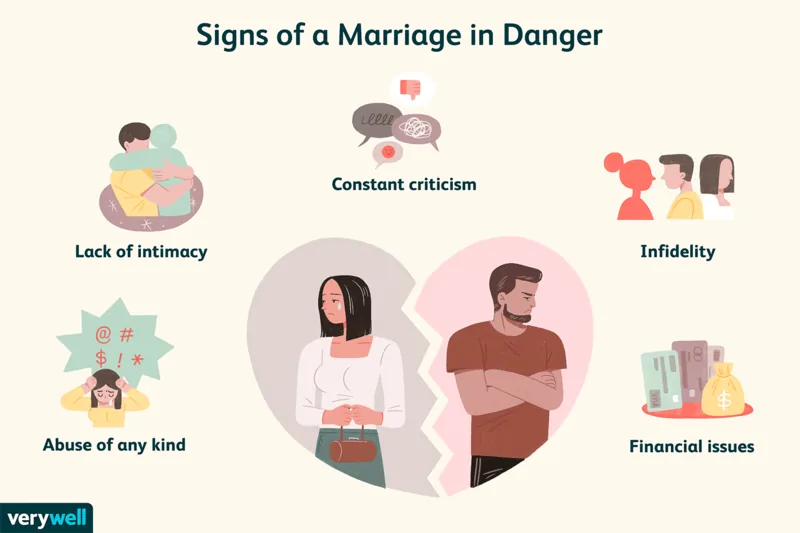
Let's be unequivocally clear: abuse is never acceptable, and no one deserves to live with it. This isn't a sign to be 'worked on' or 'understood'; it's a deal-breaker. Abuse isn't always physical; it can manifest as insidious emotional manipulation, relentless verbal attacks, or coercive control that erodes your self-worth. If you are experiencing any form of abuse, your priority must be your safety and well-being. Seek support from a trusted friend, family member, or a national domestic violence hotline.
The Silent Chasm of Disconnection
Remember the spark? The easy touch, the knowing glance, the physical intimacy that bonded you? When affection and intimacy vanish, replaced by a chilling distance, it's a profound warning sign. You might share a bed, but it feels like sharing a room with a stranger. This isn't just a temporary dry spell; it's a persistent emotional and physical void that leaves you feeling profoundly alone within the partnership. This emptiness often points to deeper, unresolved issues that have festered, making genuine connection feel impossible (Couples Therapy Insights, 2024).
Betrayal of Trust: Deception and Infidelity
Trust is the bedrock of any marriage. When that foundation is shattered by profound deception, the structure often crumbles. Discovering your partner has committed bigamy, concealed a serious criminal past, or engaged in chronic infidelity can be an insurmountable hurdle. The sense of betrayal goes beyond the act itself; it forces you to question the very reality you believed you shared. For instance, a partner secretly taking out a second mortgage on your shared home, racking up hidden debt that jeopardizes your family's future, is a profound breach that makes rebuilding trust incredibly difficult. While some marriages navigate infidelity, it requires immense effort, transparency, and a genuine commitment from both sides to heal.
The Gottman's Four Horsemen Ride High
Renowned relationship experts Drs. John and Julie Gottman identified four destructive communication patterns that powerfully predict divorce. If these "Four Horsemen of the Apocalypse" are consistently present in your marriage, and there's no willingness to change them, it's a critical indicator that your relationship is in deep trouble (Gottman Institute, 2022). They are:
- Criticism: Not constructive feedback, but attacking your partner's character.
- Contempt: Treating your partner with disrespect, mockery, sarcasm, or eye-rolling - the most corrosive of the four.
- Defensiveness: Refusing to take responsibility, making excuses, or blaming your partner.
- Stonewalling: Withdrawing from interaction, shutting down, or refusing to communicate, often as a result of feeling overwhelmed.
These aren't just bad habits; they're active destroyers of affection and respect, making it nearly impossible to resolve conflict or feel safe within the relationship.
Unwavering Addiction & Unmet Needs
Living with a partner who refuses to acknowledge or seek treatment for a severe addiction is an exhausting and often hopeless battle. The addiction itself becomes a third party in the marriage, consuming resources, trust, and emotional energy. Similarly, a chronic inability to compromise or a profound lack of empathy signals a one-sided dynamic where your needs are consistently ignored. Imagine grieving a significant personal loss, only for your partner to dismiss your feelings with a dismissive "you need to get over it," instead of offering comfort or understanding. This emotional neglect leaves you feeling unseen, unheard, and ultimately, alone. When these patterns become entrenched, they are significant signs your marriage can't sustain a healthy partnership.
Divergent Paths and Irreconcilable Futures
You started on the same page, but somewhere along the way, your life blueprints diverged. Perhaps one of you now desperately wants children, while the other is staunchly against it. Or maybe one partner dreams of a nomadic retirement, traveling the world in an RV, while the other envisions a quiet life tending a garden in a specific town. These aren't minor disagreements; they are fundamental shifts in life priorities and goals that create an impasse. When your core visions for the future become mutually exclusive, and neither partner is willing or able to genuinely compromise, the logistical and emotional sustainability of the marriage comes into question.
Financial Fissures and Hidden Burdens
Money is a leading cause of marital conflict, and for good reason. Whether it's chronic overspending, undisclosed debt brought into the marriage, an inability to maintain stable employment, or significant financial setbacks like a business failure, money problems can erode trust and create immense stress. When financial dishonesty becomes a pattern, or when one partner consistently undermines the couple's financial stability without remorse or a willingness to change, it's a heavy burden that can crush a marriage. The constant worry and resentment can overshadow all other aspects of the relationship, making peace impossible.
Beyond the Brink: When Hope Fades
When multiple of these critical signs converge, and efforts to address them are consistently met with resistance or indifference, it's a strong indication that your marriage has moved beyond repair. The emotional toll of clinging to a broken union can far outweigh the pain of separation. Remaining in a relationship characterized by contempt, neglect, or ongoing betrayal can lead to chronic stress, anxiety, and a profound sense of despair. Recognizing these signs your marriage can't recover isn't a concession of defeat; it's a courageous acknowledgment of reality, freeing both partners to pursue individual paths towards healing and happiness.
Rekindling the Ember: Signs Your Marriage Can Be Saved
Despite the challenges, many marriages navigate rocky terrain and emerge stronger. Even if some red flags are present (excluding abuse), hope isn't lost if certain foundational elements remain. The flicker might be dim, but it's a light that can be nursed back into a flame.
Love Still Lingers
That deep, abiding affection, even if currently buried under layers of frustration, can be a powerful motivator. If you both acknowledge a lingering love, it provides a crucial emotional anchor. This connection, while not a solution in itself, can be the catalyst needed to commit to the difficult work of healing and reconnection. It's the push to seek professional guidance and actively work on bridging the emotional gap.
Shared Core Values
Beneath the surface of daily arguments, do you still agree on the big picture? Fundamental beliefs about family, ethics, religion, finances, and how to treat others form the bedrock of a shared life. If your core values remain aligned, you possess a strong, unifying force. Minor disagreements might cloud the view, but a shared moral compass means you're fundamentally on the same team, offering a solid foundation for rebuilding.
Mutual Commitment to Change
This is perhaps the most vital sign of hope. If both partners are not only willing but actively committed to addressing the issues, taking responsibility for their roles, and engaging in the hard work of change, transformation is possible. This isn't about one person fixing everything; it's a shared journey where both acknowledge their contributions to the current state and dedicate themselves to creating a healthier future, often with professional guidance (Couples Counseling Review, 2024).
External Stressors, Not Internal Decay
Sometimes, the marriage itself isn't broken; it's under immense external pressure. Job loss, health crises, the demands of raising young children, or intense family conflicts can strain even the strongest bonds. If the underlying issues are primarily situational and not fundamental flaws in the relationship's core dynamics or character, then managing these stressors (through support, counseling, and self-care) can allow the marriage to recover and thrive once the pressure subsides.
Navigating the Crossroads: Finding Support
Whether you decide to work towards reconciliation or embark on the difficult path of separation, you don't have to do it alone. The emotional weight of a troubled marriage is immense, and seeking help is a sign of strength, not weakness. Relationship counseling offers a safe space to unpack complex emotions, improve communication, and make informed decisions about your future. Individual therapy can also be invaluable, providing personal clarity and coping strategies during a profoundly challenging time.
To find the right support, consider asking for referrals from your physician, exploring employee assistance programs, or reaching out to trusted friends. Many religious congregations also offer counseling or support resources. Online therapy platforms provide convenient and accessible options, ensuring you can find the guidance you need, wherever you are. Remember, clarity and peace are possible, no matter the road ahead.